Follow Us on Google

From Adesuwa Tsan, Abuja
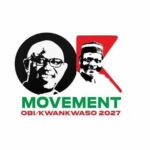
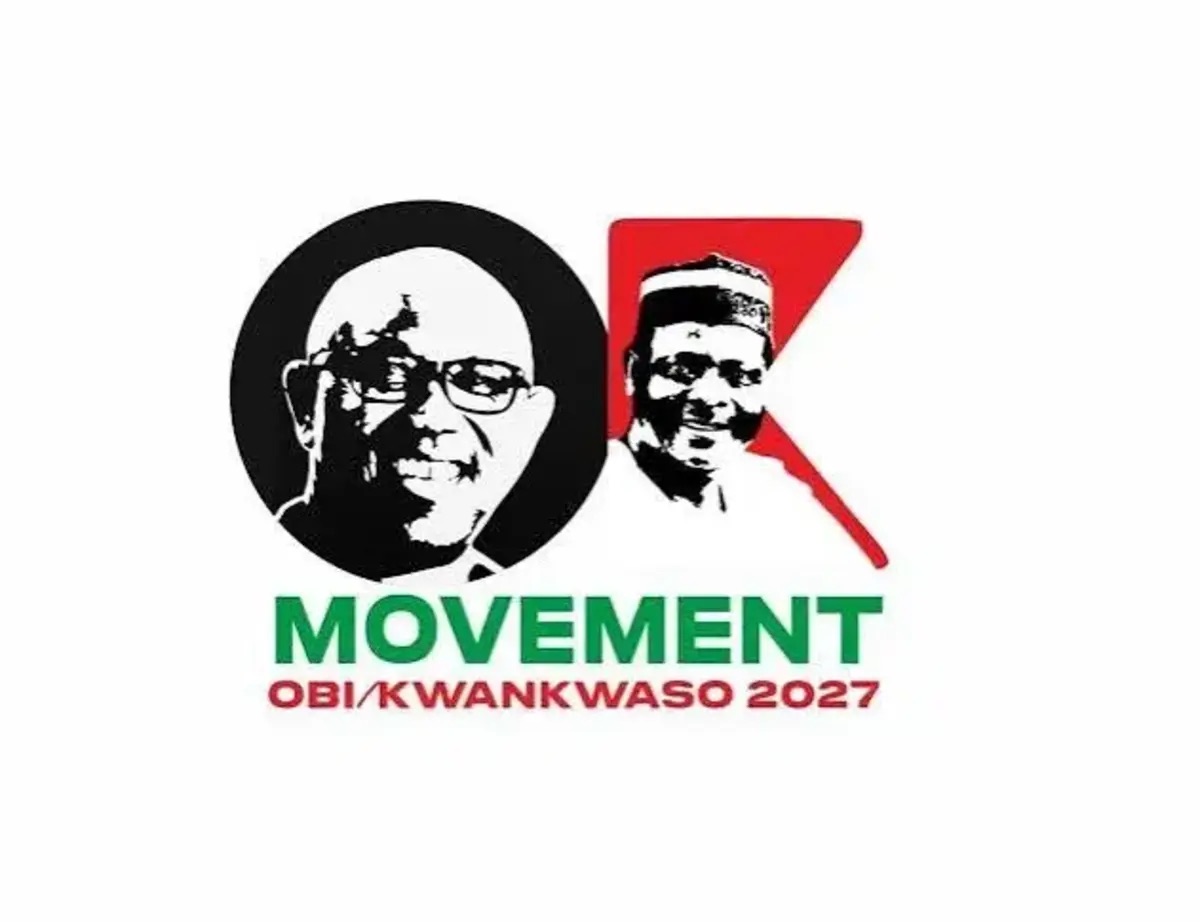
The political alliance between Peter Obi’s presidential campaign and the Obi-Kwankwaso Movement (OK Movement) has collapsed, with the group withdrawing its grassroots structures, mobilisation machinery and campaign support from the Nigeria Democratic Congress (NDC) ahead of the 2027 general elections.
Announcing its exit in a statement signed by its National Director-General, John Ughulu, on Friday, the group accused Obi and the NDC of discontinuing their political relationship with the organisation, saying it had consequently resolved to withdraw all its structures and operational engagements from the party with immediate effect.
The decision marks a major escalation of the crisis between the movement and the NDC over the control of campaign structures, political authority and the role of support groups in Obi’s presidential ambition.
OK Movement said it considered the development regrettable but respected Obi’s decision.
“While we consider this development regrettable, we respect the decision and sincerely appreciate His Excellency for the time, engagements and opportunities shared with our movement,” it said.
It directed all its structures at ward, local government and state levels to withdraw from the NDC’s campaign and mobilisation activities.
The group also questioned the party’s capacity to translate its social media popularity into electoral strength, saying the responsibility now rested with its leadership.
“The responsibility for converting that support into electoral strength now rests with the party and its leadership,” it said.
The disagreement between both camps became public in September after the OK Movement announced a 59-member Presidential Campaign Council for Obi and his running mate, Rabiu Kwankwaso. The NDC rejected the council, insisting that it was unauthorised and warning against the creation of parallel campaign structures.
Obi subsequently distanced himself from the council, backing the position that support groups should complement the party rather than operate as competing political structures. The OK Movement, however, insisted on its organisational independence, arguing that its support for Obi did not make it subordinate to the NDC.