Follow Us on Google
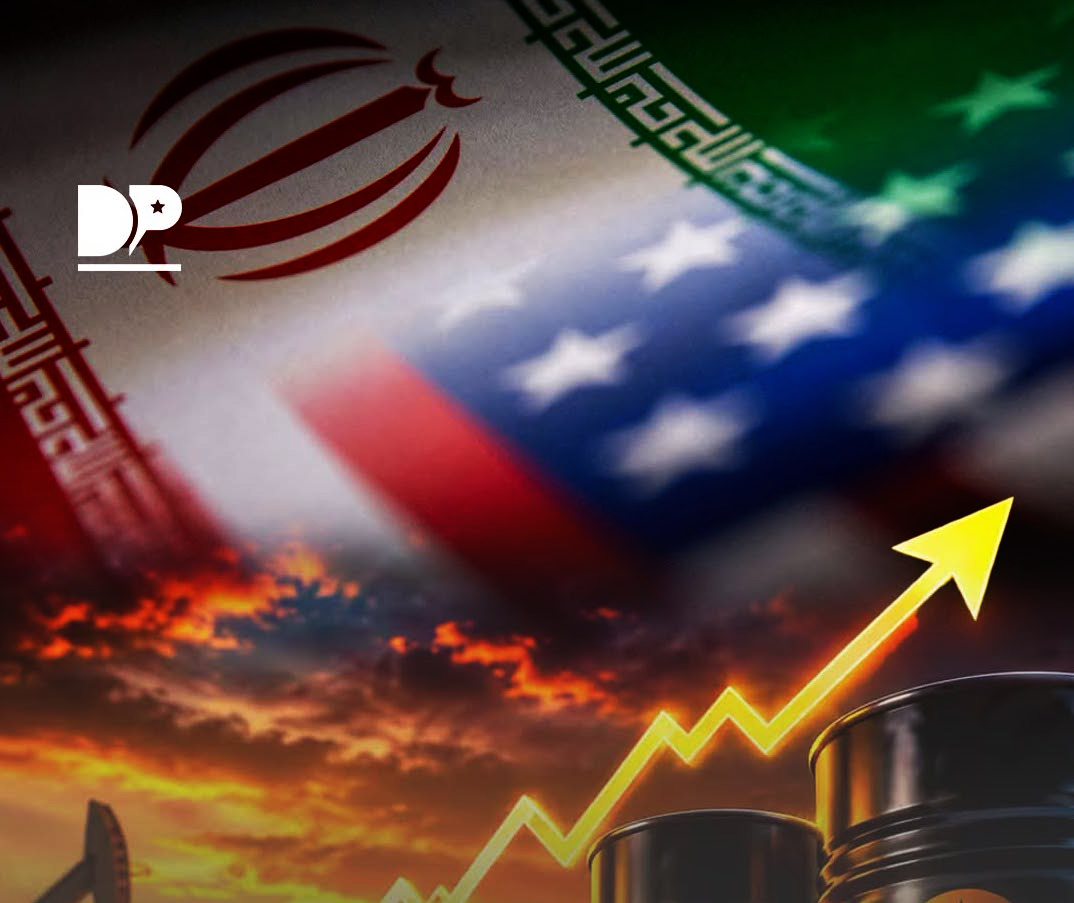
Global crude oil prices climbed sharply on Tuesday, hitting their highest level in a month after fresh military hostilities between the United States and Iran raised fears of disruptions to global oil supplies through the strategic Strait of Hormuz.
Brent crude, the international oil benchmark, rose by 4.19 per cent to $86.79 per barrel, its highest level since June 12, while the US West Texas Intermediate (WTI) gained 3.16 per cent to $80.61 per barrel.
The latest rally followed renewed military exchanges between Washington and Tehran after the United States reimposed a naval blockade on Iran, escalating tensions in the Middle East and heightening concerns over the security of one of the world’s busiest oil shipping routes.
The Strait of Hormuz is a critical passage through which about one-fifth of the world’s crude oil and petroleum products are transported. Any disruption to shipping activities in the waterway often triggers sharp increases in global oil prices due to fears of supply shortages.
The renewed tension comes barely a month after oil prices eased following a ceasefire agreement involving the United States, Israel and Iran, which brought an end to hostilities across the region, including Lebanon, and led to the reopening of the Strait of Hormuz. At the time, Brent crude had fallen to around $82 per barrel, raising hopes of lower fuel costs globally.
In Nigeria, the earlier decline in international crude prices sparked calls for petroleum marketers to reduce pump prices.
Other News
The Federal Competition and Consumer Protection Commission (FCCPC) had accused oil marketers of failing to reflect the sharp drop in crude oil prices in retail petrol prices, arguing that the reductions announced were not proportional to the decline in the global market.
The Minister of Finance and Coordinating Minister of the Economy, Taiwo Oyedele, also disclosed that the Federal Government had opened discussions with marketers and industry regulators to ensure that fluctuations in international crude prices are more transparently reflected in the prices paid by consumers.
To address pricing concerns, the Federal Government on July 10 convened a meeting of key stakeholders in the oil and gas industry to deliberate on fair and transparent pricing of petroleum products across the country.
Analysts say the latest spike in crude prices could complicate efforts to keep fuel prices stable if the Middle East crisis persists, as higher international oil prices typically translate into increased import costs and could put fresh pressure on domestic pump prices in countries that rely on imported refined petroleum products.
Market watchers will continue to monitor developments in the Middle East, as any prolonged disruption to oil exports through the Strait of Hormuz could further tighten global supplies and push crude prices even higher.