Follow Us on Google
Monarch: corruption, injustice, insecurity destroying Nigeria
_________________________________________________________________________
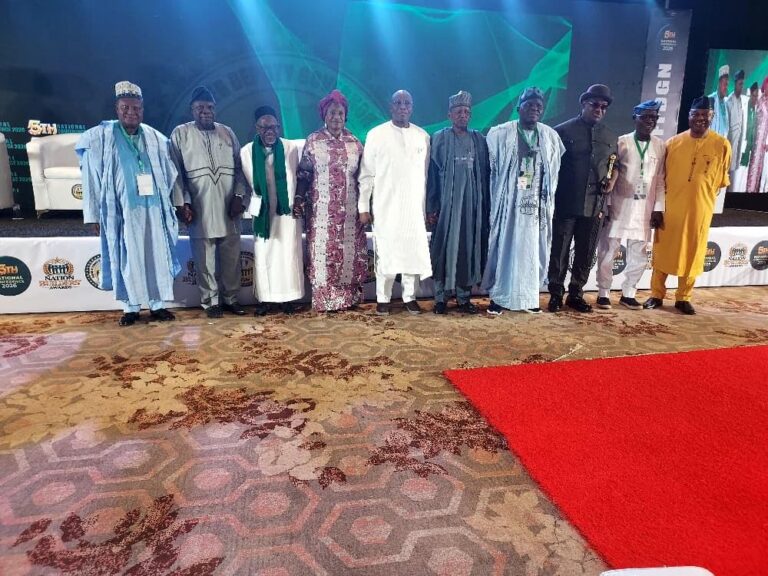
Former President Chief Olusegun Obasanjo, former Edo State Governor Prof Oserhremen Osunbor, Minister of the Federal Capital Territory Nyesom Ezenwo Wike, Catholic Archbishop Emeritus of Abuja His Eminence John Cardinal Onaiyekan and 32 other prominent Nigerians have been honoured for their contributions to national leadership, governance and public service.
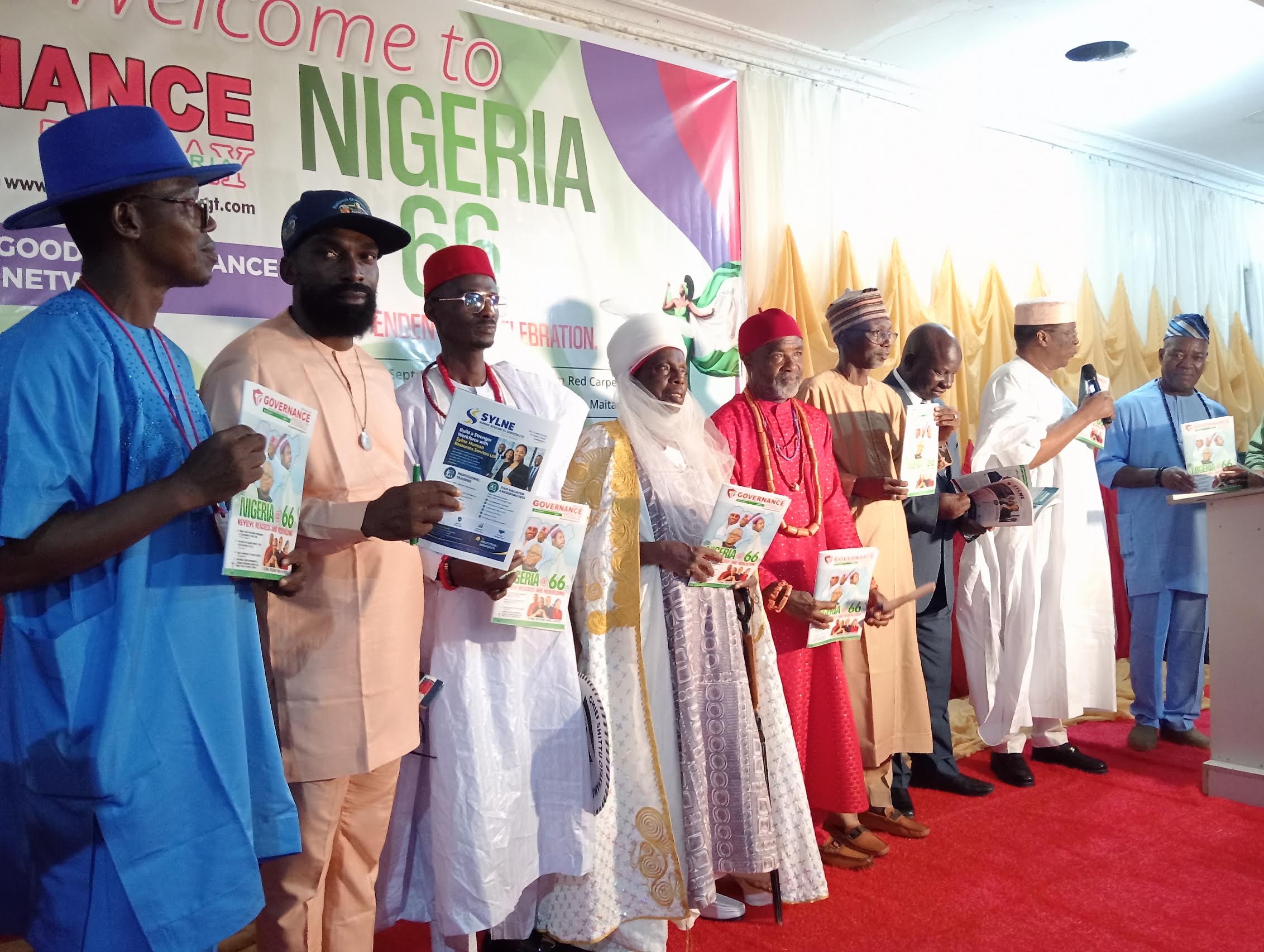
The award was presented at the Nigeria at 66 Independence Day celebration organised by Governance Today Nigeria, in collaboration with the African Independent Good Governance Monitoring Network, in Abuja.
The event, themed “Reflect, Reassess, Rebuild,” brought together political leaders, traditional rulers, religious leaders, academics and other stakeholders to assess Nigeria’s journey since independence.
Also honoured were former House of Representatives leader, Rt Hon Col Tunde Akogun; former Edo State Governor, Prof Oserhremen Osunbor; Seyi Tinubu; Chief Justice of The Gambia, Justice Emmanuel Fagbenle; Dr Mrs Ruth Aimuan, co-founder, Philomath University; Rev Dr Uzoaku Williams, CAN national secretary; Prince Dr Olasupo Agbaje, among others.
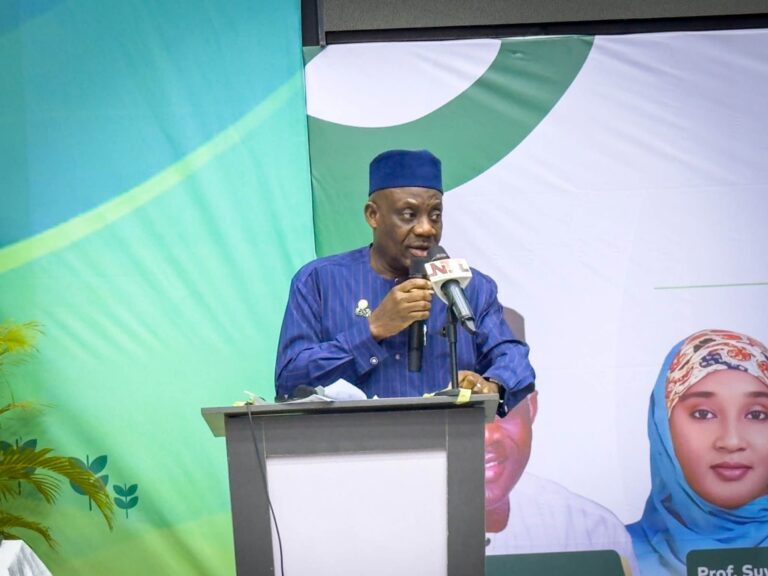
Speaking at the event, HRH Alhaji Dr Usman Nga-Kupi of Garki, the AMAC traditional ruler in the Federal Capital Territory, blamed corruption, injustice and insecurity for the country’s underdevelopment.
He urged Nigerians to unite and rebuild the country, saying the sacrifices of the nation’s founding fathers should not be allowed to go to waste.
“Our founding fathers were after a great promise. They wanted to see that they built a great nation. But today, the worst is the case,” the monarch said.
Nga-Kupi particularly urged Nigerians above 50 to reflect on the values of the past and work towards restoring peace and national unity.
“I want to draw the attention of all Nigerians, especially those who are above 50 years. Let us reflect back and see what we can do to continue what our founding fathers have done for us,” he said.
He recalled that Nigeria once had a productive economy, with different regions contributing significantly to national development.
“In those days, we had peace. We were able to produce enough to feed ourselves. We had groundnuts, we had cotton, we had oil and we had the skills to produce,” he said.
The monarch wondered why Nigeria, despite its vast human and natural resources, had failed to achieve its full potential.
“Nigerians are more intelligent. We have natural resources. Why are we not moving forward?” he queried.
He identified corruption and injustice as major obstacles to development, stressing that tackling them would help restore peace in the country.
“We have allowed injustice and corruption to destroy us. If corruption is tackled, I assure you, there will be peace in this nation,” he said.
On insecurity, the traditional ruler expressed concern that many Nigerians could no longer travel freely to their communities for fear of attacks.
Other News
“How can you carry arms against your fellow brother and sister? On what ground?” he asked.
He said the insecurity had become so severe that some Nigerians were afraid to return to their ancestral homes.
“If you go home, you are afraid. Can you reach home safely? Why are you afraid in your own house?” he queried.
He appealed to Nigerians to put aside their differences and allow justice, fairness and peaceful coexistence to prevail.
“I want to draw the attention of all you Nigerians. Please, I beg you, let us allow justice and fairness to reign in this country. Let us stop the high rate of corruption and restore peace,” he said.
The monarch added: “All hands have to be on deck. Let us come back home and rebuild our great nation.”
Also speaking, publisher of Governance Today Nigeria, Dr Sylvester Omose, described Nigeria as a nation of great promise that was yet to fully translate its potential into improved living conditions for citizens.
Omose said the country had survived difficult periods, sustained democratic rule since 1999 and recorded progress in infrastructure, digital connectivity and human capital.
He, however, said such achievements must be matched with accountability and improved living standards.
According to him, the true measure of Nigeria’s progress is not its natural resources or the number of policies announced by government, but what citizens experience in their homes, businesses and communities.
He identified poverty, insecurity, unemployment, infrastructure deficits and pressure on household incomes as major challenges.
Omose described his assessment of Nigeria at 66 as “mixed but hopeful,” saying the country had demonstrated enough resilience to prove that it could still achieve its potential.
“For Governance Today Nigeria, our position is simple: hold leaders accountable for results, not merely intentions; acknowledge those who are doing things right; and encourage every Nigerian to contribute to nation-building,” he said.
He urged Nigerians to move “from blame to building, from promises to performance, and from politics of survival to governance that delivers prosperity, security, justice and dignity for all.”
Omose insisted “Nigeria is not a failed promise. Nigeria is an unfinished project and all of us have a responsibility to help complete it.”