Follow Us on Google

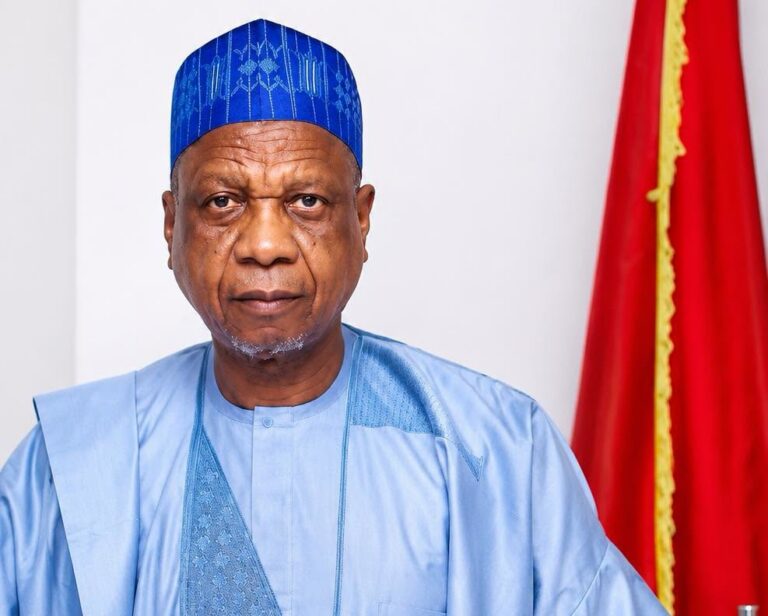
The Minister of State for Education, Prof Suwaiba Sa’id Ahmad, has called for stronger governance, regulatory compliance and strategic collaboration among stakeholders to reposition Nigerian universities for global competitiveness, technological advancement and national development.
Ahmad made the call at a retreat organised by the National Universities Commission (NUC) for vice-chancellors of universities in Nigeria (federal, state and private) and other stakeholders in the tertiary education sector, stressing that universities must move beyond awarding degrees to producing graduates equipped with relevant skills, creativity and the capacity to address societal challenges.
She said the growing influence of Artificial Intelligence (AI), digital resources, research innovation and international competition had made it imperative for Nigerian universities to strengthen their institutional systems and embrace responsible technology adoption.
She said that transforming the university system requires collective commitment from the NUC, university proprietors, governing councils, senates, academic and non-academic staff, students, the private sector and development partners.
The minister further urged vice-chancellors to promote transparency and accountability in recruitment, promotions, admissions, examinations and financial management, while ensuring that institutional resources were deployed responsibly.
The NUC Executive Secretary, Prof Abdullahi Ribadu, in his remarks said the Commission was strengthening its regulatory capacity through improved operational guidelines, quality assurance mechanisms and a review of the blueprint for revitalising university education.
Ribadu highlighted initiatives to promote research collaboration, artificial intelligence adoption and the commercialisation of research findings, including plans to establish a dedicated research commercialisation division.
He urged universities to develop institutional strategic plans and strengthen partnerships with industry, government and other stakeholders to translate academic research into practical solutions for national development.
He also stressed the importance of improving research capacity, postgraduate training and academic standards, noting that universities must continually assess their performance against international benchmarks.
The Registrar of the Joint Admissions and Matriculation Board (JAMB), Prof Segun Aina, in his speech reaffirmed the Board’s commitment to improving admission processes, strengthening institutional collaboration and reducing the difficulties candidates encounter.
Aina called on universities to consistently use the Central Admissions Processing System (CAPS), describing it as a critical instrument for transparency, accountability and protecting candidates from unrecognised admissions.
He warned that admissions conducted outside approved procedures could leave candidates stranded after investing time and resources in pursuing higher education.
The JAMB Registrar also apologised for disruptions experienced during the admission cycle, promising measures to strengthen system reliability and business continuity.
He urged universities to work with JAMB to recover lost time and comply with approved admission timelines.
Meanwhile, a representative of university-based non-academic workers welcomed the engagement, describing it as an opportunity to bridge the communication gap between government and university management.
However, he warned that workers’ grievances remained unresolved, including the implementation of the 2026 agreement with the Senior Staff Association of Nigerian Universities (SSANU) and the Non-Academic Staff Union of Educational and Associated Institutions (NASU), outstanding wage award arrears and withheld salaries.
He said the unions were reconsidering their planned industrial action following recent government interventions but insisted that outstanding demands must be addressed.
The representative urged the government to sustain dialogue and take the concerns raised by university workers seriously.
The stakeholders maintained that effective governance, credible admissions, improved research funding, digital transformation and stronger partnerships were essential to building a responsive, resilient and globally competitive Nigerian university system.