Follow Us on Google

From Bimbola Oyesola,
Top management of the Nigeria Social Insurance Trust Fund (NSITF) converged in Abuja at the weekend for a critical reflection on the fund’s performance over the past year and to chart a clear, results-driven course for 2026. The two-day annual Management Performance Review (MPR), held from February 12 – 13, 2026, brought together the institution’s leadership to assess progress, recalibrate strategy and reinforce accountability.
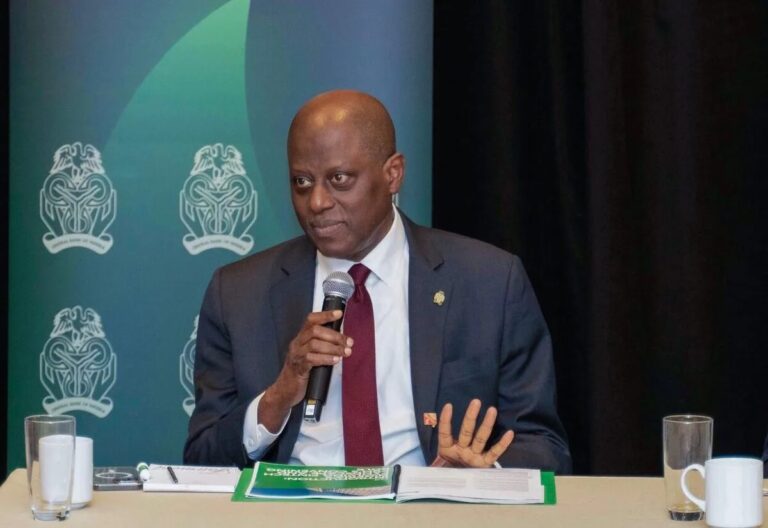
Declaring the session open, the Managing Director and Chief Executive, Oluwaseun Falaye, described the gathering as more than a ceremonial exercise. “This review is not a routine calendar event; it is a deliberate pause to reflect, to evaluate performance honestly, and to reset our priorities where necessary in order to deliver better outcomes for the institution and the people we serve,” he said.
Falaye urged participants to recognise their collective responsibility in shaping the future of the Fund. He charged the leadership cadre to see themselves as key stakeholders whose decisions and actions directly influence the stability and credibility of the organisation. According to him, the success of the NSITF is a shared mandate that demands commitment at every level.
Reflecting on the previous year’s session held in Lagos, the MD noted that it marked a turning point in how the Fund measures performance and enforces discipline. “The session held last year in Lagos was a crucial moment for the Fund. It marked a shift in how we interrogate performance, moving away from assumptions and comfort zones toward clarity, responsibility, and measurable results,” Falaye stated.
He added that the decisions taken at the 2025 review laid the groundwork for a more outcome-driven culture across departments and regions. “Decisions taken at that session set the tone for a more disciplined and outcome-driven approach to management across the organisation,” he said, attributing recent operational gains to that strategic reset.
Highlighting the strides made since the last MPR, Falaye emphasised that the Fund’s actions have been deliberate and focused. “Since then, our actions have been purposeful. We have focused on strengthening operational structures, improving manpower alignment, expanding service presence, accelerating automation, and engaging more deliberately with key stakeholders,” he explained.
According to him, these reforms are anchored on a clear vision to reposition the NSITF as a responsive and trusted institution. “These steps reflect a clear strategic direction: repositioning NSITF as a responsive, credible, and value-driven social security institution that commands confidence and trust,” the MD said.
Other News
Speaking on the theme of this year’s Review — “Reinforcing NSITF’s Role in Building Trust and Delivering Value Towards Strengthening the Social Security System” — Falaye stressed that trust and value remain the twin pillars of the Fund’s mandate. “Trust is earned through consistency, transparency, and professionalism. Value is demonstrated when our processes work, when decisions are fair, and when outcomes meet expectations,” he noted.
He underscored that every touchpoint with employers and employees shapes public perception of the Fund. “Every interaction with employers, every inspection, every claim processed, and every decision taken by management either strengthens or weakens these two pillars,” he cautioned.
Looking ahead, Falaye said the 2026 MPR would culminate in the rollout of clear performance targets designed to consolidate gains and address gaps. He emphasised that the review must translate into measurable deliverables that align with the Fund’s broader strategic objectives.
Setting the agenda for deliberations, the MD outlined five strategic priorities to anchor discussions. “As we deliberate, we must remain anchored on five strategic priorities: expanding coverage, particularly within the private and informal sectors; improving the timeliness and transparency of claims processing; strengthening operational efficiency and financial discipline; deepening digital transformation; and upholding integrity and professionalism across all levels of the Fund,” he said.
He further urged participants to base their presentations strictly on verifiable data and candid self-assessment. Honest evaluation, he stressed, is essential for institutional growth and sustainability.
In her welcome address, the Executive Director, Operations, Mojisoluwa Ali-Macaulay, described the MPR as a structured mechanism for accountability and alignment. She said the exercise provides “a structured opportunity to assess how far we have come, evaluate the effectiveness of our execution, and identify areas where greater focus and discipline are required. It is also a platform to align our operational priorities with the Fund’s strategic objectives for 2026.”
Ali-Macaulay noted that over the past two years, the Fund has deliberately strengthened its operational base. “We have worked deliberately to strengthen the operational foundations of the Fund; improving service delivery structures, aligning manpower with operational needs, deepening automation, and reinforcing performance monitoring at all levels. These efforts have been guided by a clear objective: to ensure that NSITF’s operations consistently translate policy into measurable value for employers and employees,” she stated.
On expanding access and compliance, the Executive Director disclosed that new branches and service delivery centres have been established to bring the Fund closer to employers and contributors. She added that the implementation of solutions adopted at the 2024 MPR has yielded positive outcomes, particularly in compliance activities and operational efficiency.
Participating in the high-level review are the Managing Director, Executive Directors, General Managers, Heads of Departments, as well as Regional and Branch Managers — a gathering that underscores the Fund’s resolve to institutionalise performance management and enhance service delivery nationwide as it prepares for 2026.