Follow Us on Google
From Adanna Nnamani, Abuja
The Nigeria Sovereign Investment Authority (NSIA) has grown its assets from an initial $1 billion seed capital to over $3 billion in 13 years.
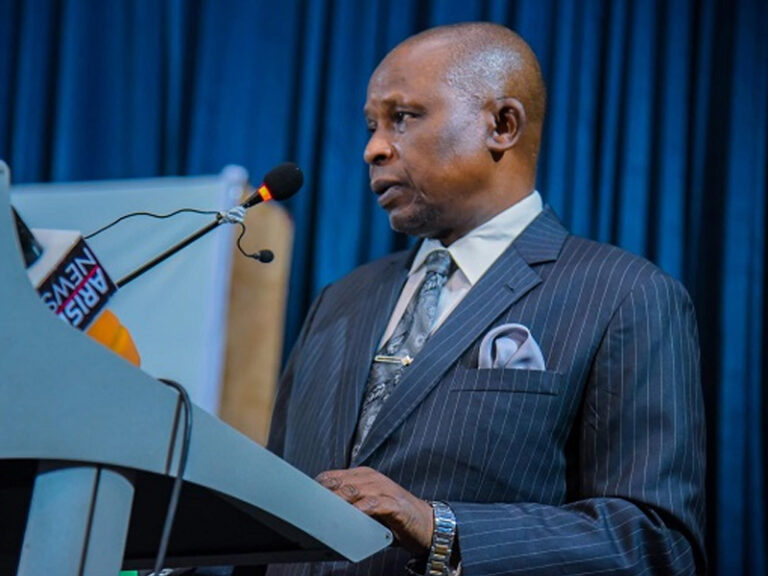
NSIA Vice President Abraham Durosawo disclosed on Wednesday while speaking at the Annual General Meeting of the Finance Correspondents Association of Nigeria (FICAN) in Abuja.
He said the sovereign wealth fund, which commenced operations in 2013 following its establishment by an Act in 2011, has recorded profits every year since inception.
“We started with $1 billion. Today, we have grown that to well over $3 billion. We have been profitable every year and continue to grow the wealth to assure a better future for Nigerians,” he said.
According to him, the NSIA was set up to manage Nigeria’s sovereign savings and invest for both present and future generations, similar to what obtains in other oil-producing nations.
He explained that the Authority operates three core funds — the Future Generations Fund, the Stabilisation Fund and the Nigeria Infrastructure Fund — each tailored to safeguard the economy and drive development.
The Stabilisation Fund, he noted, was deployed to support government during economic distress, including a $150 million intervention during COVID-19.
On infrastructure, Durosawo highlighted key projects delivered through NSIA’s intervention, including the Second Niger Bridge, sections of the Lagos–Ibadan Expressway and parts of the Abuja–Kaduna road corridor.
He also pointed to investments in healthcare, particularly the development of 26 oncology and diagnostic centres nationwide aimed at reducing medical tourism and strengthening local capacity for cancer treatment.
In the energy space, he said NSIA has delivered a 10‑megawatt solar plant and is set to complete a 30‑megawatt gas-fired plant in Lagos before year-end to boost electricity supply.
Other News
Durosawo stressed that beyond deploying its own capital, the Authority positions its funds as catalytic capital to attract both local and foreign investors into infrastructure and other critical sectors.
“We are only a drop in the ocean compared to Nigeria’s infrastructure needs. So what we do is use our capital to crowd in bigger investors to join us in building the country,” he added.
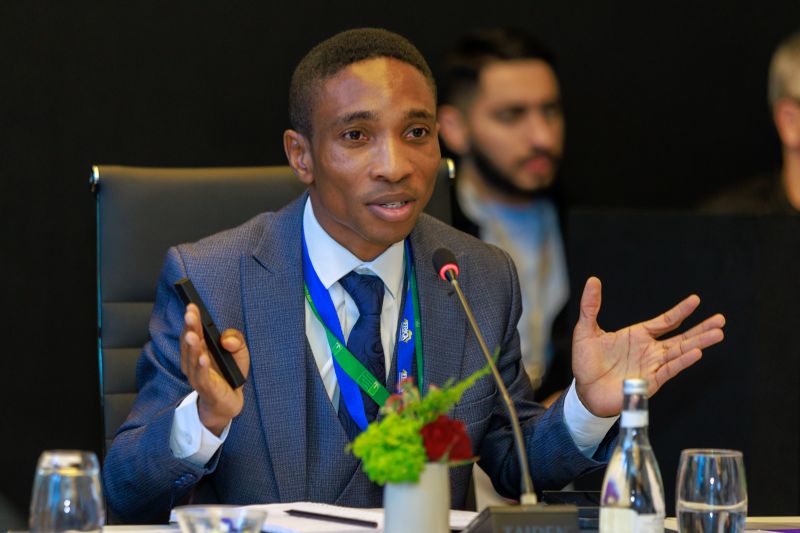
Also speaking, the Executive Director, Ministry of Finance Incorporated (MOFI), Real Estate Investment Fund (MREIF), Mr Sani Yakubu, said the agency has rolled out a N1 trillion Real Estate Investment Fund to tackle Nigeria’s housing deficit.
Yakubu disclosed that the first tranche of N250 billion has been raised, with over N75 billion already deployed to deliver mortgages to Nigerians.
According to him, the fund offers 20‑year mortgages at a single-digit rate of 9.75 per cent, with only a 10 per cent deposit required from beneficiaries.
“For the first time in Nigeria’s history, we are averaging about N10 billion in mortgages monthly since March,” he said.
He added that MOFI is also providing off‑take guarantees to developers to bridge the housing supply gap, while partnering 20 financial institutions, including commercial and mortgage banks, to expand access to affordable housing finance.
Yakubu described the initiative as a home-grown solution designed to unlock long-term capital for housing and deepen Nigeria’s mortgage market.
On his part, President of FICAN, Mr Bassey Udoh, said the association’s annual meeting provides a platform for engagement between financial journalists, policymakers and regulators on key economic reforms.
Udoh noted that this year’s theme focused on actualising the federal government’s $1 trillion economy agenda, stressing the role of diversification, infrastructure development and institutional reforms in achieving the target.
He maintained that coordinated efforts by government agencies, private investors and the media would be critical in translating policy ambitions into measurable economic outcomes.