Follow Us on Google

From Uche Usim, Abuja
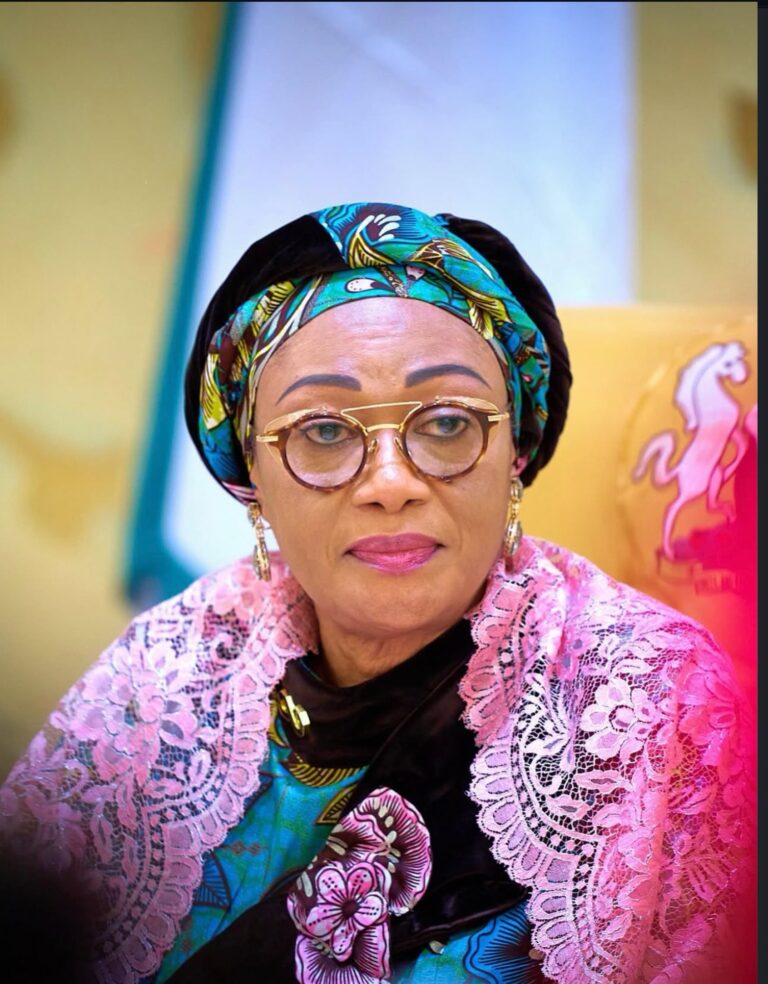
Minister of Finance, Budget and National Planning, Mrs. Zainab Ahmed, has described the Nigeria Sovereign Investment Authority (NSIA) as a strong partner of choice for the federal government as it is leveraging its strong asset base of $4 billion to successfully execute and deliver major infrastructure projects and transformational initiatives with national impact.
In her opening remarks at a plenary session on Sovereign Wealth Funds (SWFs) at Africa Investment Forum (AIF-2022), the Minister noted that the incumbent administration has been gradually injecting money into the NSIA such that at the end of 2021, NSIA’s core assets under management has now grown to $2.2billion since commencement of its operations.
“And we have about $4bn in total assets regardless of the many rainy days we went through recently. And the fund has been profitable consistently”, she stated.
Ahmed explained that through the NSIA, the country was building key roads and bridges under the Presidential Infrastructure Development Fund.
“We have revived our fertilizer blending facilities through the supply of high quality NPK under the Presidential Fertiliser Initiative and are partnering with Morocco to build an Ammonia plant.
“We are supporting artisanal and small-scale miners while building up our reserves through the presidential artisanal gold mining initiative.
“We have also commenced our journey towards the adoption of clean energy starting off with the development of a 10MW Grid Solar Plant. We have constructed cancer and medical diagnostic centres across the country.
“We recently commissioned a state-of-the-art animal feed facility linked to hundreds of hectares of maize farms. We are tackling today’s problems head on. We allocated a certain proportion of NSIA’s funds for investments in innovative pioneer sectors within and outside Nigeria”, she revealed.
The Minister stated that Nigeria now has a sizable percentage invested in equities and bonds in Europe, America and Asia.
“In today’s climate, this last fund is the one that is keeping me awake at night. So, overall, successful African SWFs are those that strike a balance between meeting the local immediate needs such as infrastructure versus Nigeria’s long-term outlook for stability in periods of distress.
“Our hope is that the next five years will be less dramatic and more predictable so we can plan properly for that rainy day, whatever it may be.
Speaking further, she recalled when the discussion in Nigeria started some 10 years ago, right after the oil price crash of the late 2000s, Nigeria’s focus then was about stabilisation.
“We wanted to have something ‘safely tucked’ away to hedge us against the cyclical volatility of being an oil economy.
“We wanted and needed to save for a rainy day. However, we did not define what that rainy day is. I am sure many of you will agree that the last five years have been constantly wet! Everyday was a rainy day!
“So, the challenges for African SWFs, according to her, would be the constant rain that Nigeria is experiencing and the decision on how to treat each wet day as it comes.
“We have a growing population. We have climate change in the form of floods, droughts and desertification and their adverse impact on food security. We have pockets of insecurity. Then there is the pandemic of course.
“With these competing demands, it takes a very strong and focused leadership to think about saving. Here, I am pleased to say Nigeria has done very well”, she said.