Follow Us on Google
•Demands explanations from Tinubu
From Noah Ebije, Kaduna
The Northern States Christian Elders Forum (NOSCEF) has called on President Bola Ahmed Tinubu to publicly clarify the terms of Nigeria’s reported medical aid agreement with the United States, expressing concerns over the country’s financial commitments, drug safety regulations and national sovereignty.
The forum also urged the National Assembly to investigate the agreement, particularly reports that Nigeria is expected to contribute approximately $2.1 billion towards a package of vaccines and medicines valued at about $3 billion, while raising questions about the regulatory powers of the National Agency for Food and Drug Administration and Control (NAFDAC).
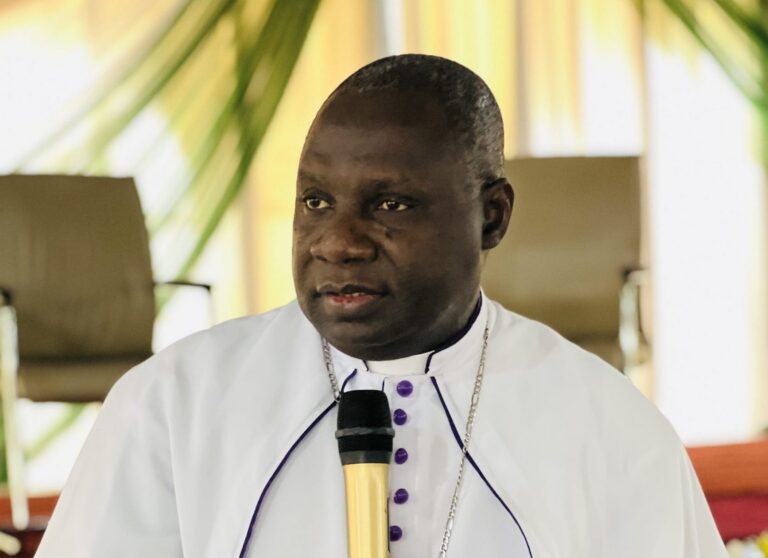
In a press statement signed by its Chairman, Elder Sunday Oibe, NOSCEF said the reported provisions of the agreement required urgent clarification from the Federal Government.
“If these reported provisions accurately reflect the agreement signed by President Bola Ahmed Tinubu’s administration, they raise serious questions about public health protection, regulatory independence, ethical responsibility, transparency, and Nigeria’s national sovereignty,” the forum stated.
It added: “The health and lives of Nigerians must never become bargaining chips in any international agreement.”
The forum called on the Federal Government to release the full text of the agreement, including clauses relating to the testing, evaluation, approval, monitoring and distribution of vaccines and medicines supplied under the arrangement.
It expressed particular concern over allegations that the agreement could restrict NAFDAC from independently testing or evaluating the medical products.
According to NOSCEF, the agency’s statutory responsibility to safeguard public health must not be compromised by international agreements, regardless of the financial value of the assistance involved.
“NAFDAC exists to safeguard the health of Nigerians by ensuring that medicines, vaccines, and other regulated products meet the required standards of safety, quality, and efficacy,” the statement said.
The forum stressed that the government must clearly establish whether NAFDAC retains its full regulatory authority over the products to be supplied under the reported arrangement.
“No matter how generous an aid package may appear, Nigerians must not be expected to surrender the independent oversight necessary to protect their lives,” it added.
NOSCEF maintained that if reports of restrictions on NAFDAC were inaccurate, the government should provide documentary evidence to dispel public concerns.
However, it said any provision that compromised Nigeria’s ability to independently assess the safety and quality of medical products should be subjected to urgent scrutiny and appropriate review.
The forum also demanded an explanation of Nigeria’s reported $2.1 billion counterpart contribution, asking the Federal Government to disclose the financial implications of the arrangement and the specific obligations undertaken by both countries.
It argued that Nigerians had a right to understand the terms of an international agreement involving public funds and the health of millions of citizens.
“The public has a right to know the actual terms of an international agreement that concerns the health and well-being of millions of citizens,” NOSCEF stated.
It further declared: “Our position is simple: no government should ask its citizens to trust what it is unwilling to explain.”
The forum called for details of the safeguards established to protect Nigerian patients and ensure that the medical products supplied under the agreement meet applicable safety and quality standards.
It also urged the government to explain how the reported financial commitments would be implemented and what obligations Nigeria would assume under the arrangement.
While expressing concerns about the reported agreement, NOSCEF said it recognised the importance of international cooperation in tackling malaria and other life-threatening diseases.
The forum acknowledged that properly evaluated vaccines and medicines could help reduce preventable illnesses and deaths but insisted that medical supplies must be subjected to appropriate safety assessments and regulatory oversight.
It warned Nigerians against allowing political arguments or the attraction of free medical products to replace informed decision-making.
“The fact that a medical product is provided free of charge does not remove the need for appropriate safety assessments, regulatory oversight, informed public communication, and post-distribution monitoring,” the statement said.
In a caution against misinformation, the forum also urged the public not to accept unverified allegations that the reported vaccines and medicines were lethal or designed to reduce Nigeria’s population.
It said such serious claims should not be presented as established facts without credible scientific evidence.
“The appropriate response is to demand transparency, independent verification, and effective regulatory safeguards before public confidence can be secured,” NOSCEF stated.
NOSCEF further expressed concern over reports that other African countries, including Ghana, had raised objections to similar arrangements or declined to accept certain terms.
Other News
It called on the relevant governments to clarify those reports to enable Nigerians to understand the nature of the agreements and the decisions taken.
The forum questioned why Nigeria would accept any provisions that could undermine its regulatory independence or public health safeguards if other countries had rejected comparable conditions.
“International cooperation must be built on mutual respect, accountability, and the protection of citizens,” it said.
“It must never become a vehicle for imposing conditions that weaken a nation’s ability to determine how its public health system operates.”
The forum maintained that Nigeria’s engagement with international partners should protect its national interests while strengthening access to essential medicines and improving healthcare delivery.
However, the claims concerning Ghana and the terms of the reported agreements were not independently established in the statement.
The Christian elders also urged the National Assembly, particularly its committees on health, foreign affairs and public finance, to investigate the reported agreement and establish the facts.
It called on lawmakers to obtain and examine the full agreement and its annexes, invite the Ministers of Health and Foreign Affairs and NAFDAC officials to explain its provisions, and determine the extent of Nigeria’s financial obligations.
The forum also asked the legislature to establish whether any clause restricts NAFDAC’s statutory powers or compromises existing public health standards.
“The legislature must not remain silent when questions arise about the safety of medical products, the expenditure of public funds, or the preservation of Nigeria’s regulatory authority,” the statement said.
NOSCEF added that lawmakers must ensure Nigerians receive a transparent account of the government’s commitments and the measures in place to protect the public.
NOSCEF called on President Tinubu and the Minister of Health to address Nigerians directly and provide verifiable answers to the concerns surrounding the reported agreement.
It said the government should publish the relevant terms, explain the reported financial commitments, clarify NAFDAC’s regulatory powers and identify the safeguards in place to ensure the safety and quality of the supplied products.
“If the reported restrictions on NAFDAC are inaccurate, the government should dispel the concerns with documentary evidence,” the statement said.
“If they are accurate, the government must explain the justification for accepting such conditions and what steps it will take to protect Nigerians.”
The forum also called on civil society organisations, religious leaders, medical associations and human rights advocates to demand accountability through lawful, peaceful and evidence-based civic engagement.
It criticised what it described as the absence of a sufficiently clear explanation from the authorities regarding an agreement of such reported magnitude.
NOSCEF further called on the All Progressives Congress-led administration to recognise that public confidence could not be sustained through political propaganda or silence in the face of legitimate questions.
The forum also cautioned against the possible politicisation of medical supplies under the reported arrangement, insisting that the distribution of vaccines and medicines should be guided by scientific evidence, legitimate public health needs and equitable access.
It said no region, ethnic group, religious community or vulnerable population should be subjected to different standards of safety and accountability.
NOSCEF specifically warned against any attempt to exploit communities in the Southeast or other parts of the country for political advantage through the distribution of medical supplies.
“Our people deserve protection, not political manipulation,” it declared.
The forum said the allocation of medical products should not be influenced by political patronage, electoral calculations or partisan campaigning.
Despite its concerns, the forum clarified that it was not opposed to international assistance or cooperation aimed at improving healthcare delivery.
It said its position was that such partnerships must not compromise transparency, scientific integrity, regulatory independence or national sovereignty.
“NOSCEF is not opposed to international assistance. We welcome genuine partnerships that save lives, strengthen healthcare delivery, and improve access to essential medicines,” the statement said.
“However, assistance must not come at the expense of transparency, scientific integrity, regulatory independence, or national sovereignty.”
The forum added that it rejected arrangements that placed political or diplomatic considerations above the safety and well-being of Nigerians, while also opposing the spread of unverified claims capable of misleading the public or discouraging access to legitimate medical treatment.