Follow Us on Google
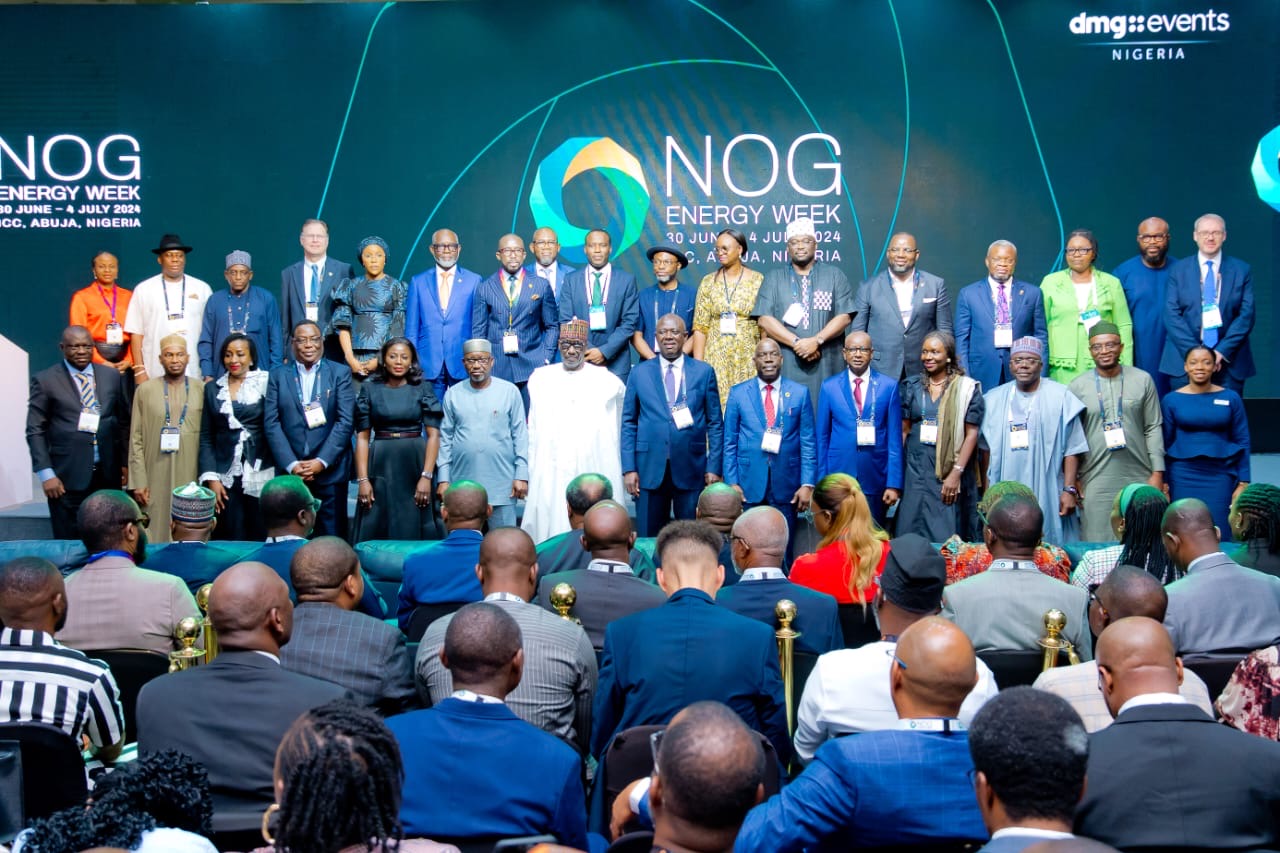
The 2025 NOG Energy Week Conference has set a new course for Nigeria’s oil and gas industry, unveiling strategic action plans aimed at ramping up crude output and accelerating gas monetisation to strengthen the nation’s energy security and economic growth.
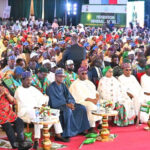
At the event held in Abuja, where over 6,000 energy professionals, 250 exhibitors and 125 speakers converged to chart the nation’s energy future, the federal government unveiled an ambitious roadmap to raise crude oil production to 3 million barrels per day and expand natural gas output to 12 billion cubic feet daily by 2030.
Country Director of dmg Nigeria events and Portfolio Director, Energy, Wemimo Oyelana, described the 2025 edition as a turning point for the industry, bridging the long-standing gap between government policy and private sector execution.
“The discussions around the ‘Nigeria First’ policy, indigenous operator capacity, and technological advancement have birthed actionable strategies that will define our energy sector’s trajectory,” Oyelana said. “This platform continues to serve as a roadmap toward measurable progress in achieving energy security and economic prosperity.”
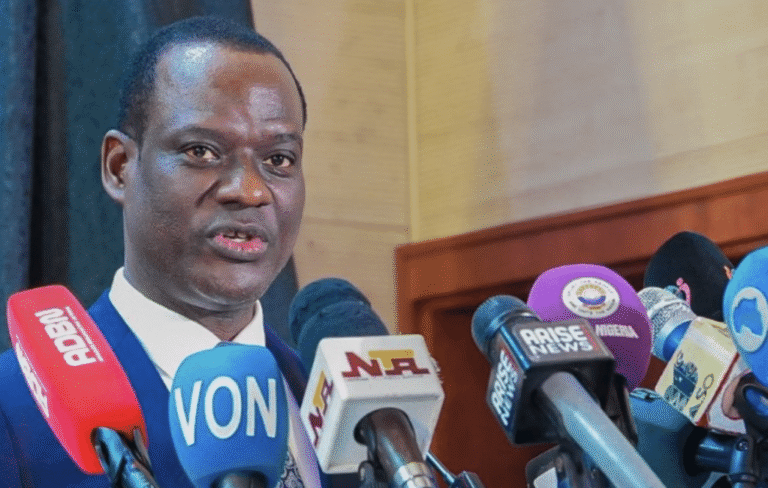
The Group Chief Executive Officer of NNPC Limited, Engr. Bashir Bayo Ojulari, highlighted major investment inflows and operational milestones that underscore Nigeria’s renewed momentum.
“Nigeria attracted $17 billion in new energy investments in 2024, with projections of $30 billion by 2027 and $60 billion by 2030,” Ojulari disclosed. “All major crude oil pipelines achieved 100 per cent availability in June 2025, while the AKK Gas Pipeline’s River Niger crossing was successfully completed — bringing the project closer to commissioning later this year.”
He added that these milestones reflect a coordinated strategy to stabilise output, restore investor confidence, and unlock the full value of Nigeria’s hydrocarbon resources.
On local capacity, Executive Secretary of the Nigerian Content Development and Monitoring Board (NCDMB), Engr. Felix Omatsola Ogbe, stressed that no country can attain true energy sufficiency without empowering its domestic workforce and enterprises.
“By strengthening local capacity across exploration, production, processing, and delivery, we can retain more value, create jobs, and take meaningful steps toward a self-reliant energy future,” Ogbe said.
The conference spotlighted the rise of indigenous oil producers following international oil companies’ divestments. Participants agreed that Nigerian operators now possess the technical know-how and regulatory confidence, under the Petroleum Industry Act (PIA), to sustain production growth and manage key assets effectively.
Nigeria’s massive gas potential — estimated at over 200 trillion cubic feet of proven reserves — also dominated discussions. Experts emphasised the need to prioritise gas monetisation, infrastructure development, and domestic consumption.
Projects such as the Nigeria–Equatorial Guinea Gas Pipeline and the activation of the Midstream and Downstream Gas Infrastructure Fund were cited as crucial for industrialisation, power generation, and expanded LPG use nationwide.
Delegates further urged a shift from mere technology adoption to technology domestication, calling for stronger collaborations between research institutions and operators. They also advocated standardised training and field exposure for young engineers to build a competent, future-ready workforce.
Organised by dmg Nigeria events in partnership with NNPC Limited and other strategic players, NOG Energy Week 2025 reaffirmed its status as West Africa’s premier energy platform — producing actionable strategies expected to propel Nigeria toward energy abundance and sustainable economic growth.