Follow Us on Google
From Sola Ojo, Abuja
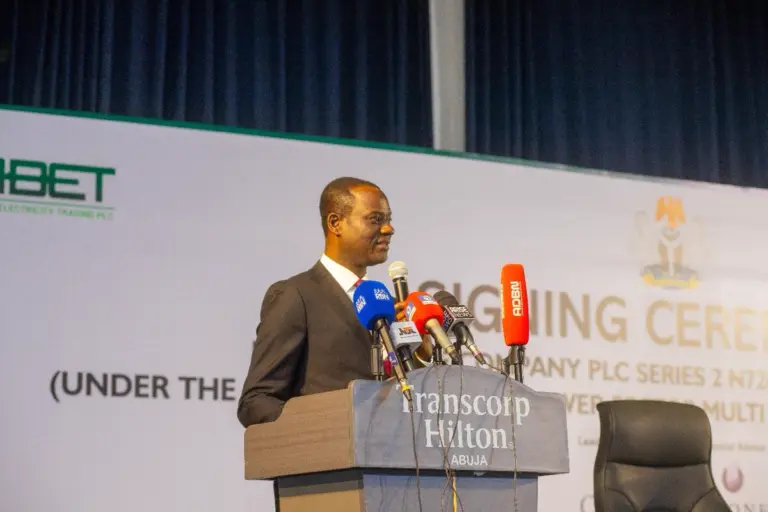
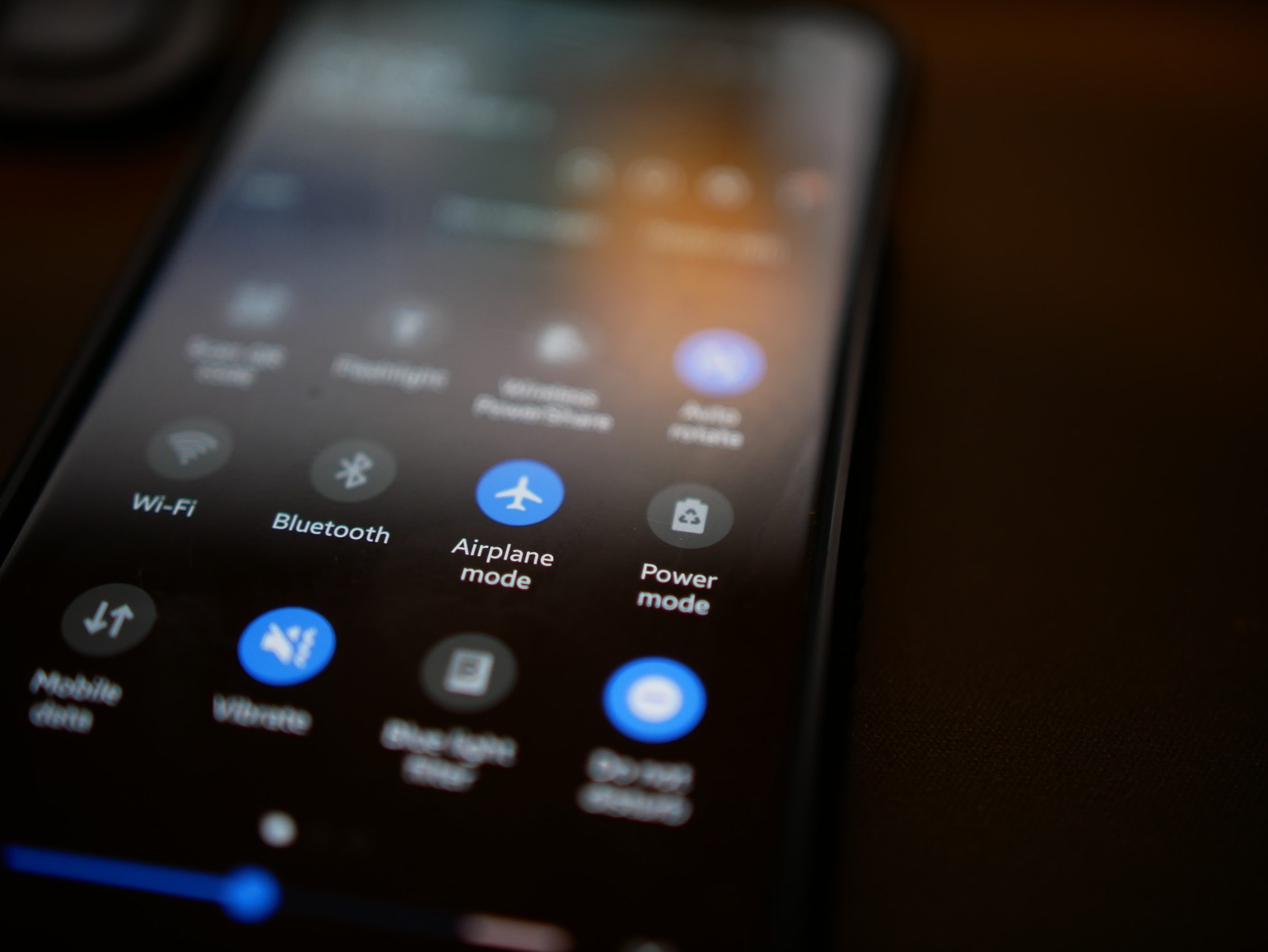
The Director-General of the Nigeria Civil Aviation Authority (NCAA), Capt. Chris Najomo, has declared that the use of “flight mode” on mobile devices during take-off and landing is no longer acceptable in Nigeria.
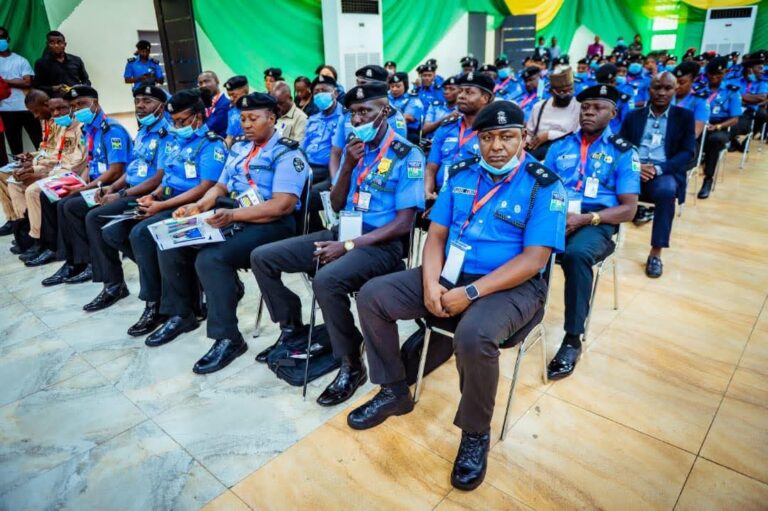
Najomo, who spoke after an emergency meeting of the National Civil Aviation Security Committee (NSASC) and a stakeholders’ forum in Abuja on Tuesday, August 19, 2025, said passengers must now switch off all mobile phones and portable electronic devices completely during critical stages of flight.
“As a takeaway, and to avoid ambiguity and confusion, all mobile phones and other portable electronic devices should be switched off during the critical stage of flight on all Nigerian airlines.
“Switched off. Nothing like flight mode any longer,” he announced.
The NCAA boss said the directive took immediate effect and would be enforced through changes to airlines’ operational manuals.
“Nigerian air operators are therefore required to amend their operator’s manual to reflect this requirement and submit to the NCAA for approval,” Najomo stated.
According to him, the rule ends the excuse by passengers who insist on leaving devices in flight mode.
“This has put an end to the spate of passengers refusing to turn off their phones during take-off and landing on the guise they’ve put the phones on flight mode,” he stressed.
Najomo also issued a stern warning against disorderly conduct onboard Nigerian flights.
Other News
“Henceforth, things wouldn’t be as usual. If you are unruly, you are unruly. From category one to category four, it will be taken care of henceforth,” he warned.
He said the Abuja meeting was not about blame but responsibility: “It is not about pointing fingers or apportioning blame, no, that would not achieve the desired results.
“It is rather about listening, discussing and awakening us to our individual and collective responsibilities towards a safe and secure air transport sector,” Najomo explained.
On the objectives of the engagement, he added, “We must analyse and fully understand the chain of failures—technological, procedural, human—that permitted these incidents.
“We must unify and strengthen inter-agency coordination, deploy immediate corrective measures, and identify quick wins while also ensuring continuous training,” he added.
He continued, “Documenting rules alone, while being the first step, will not solve the problem. That is precisely why we are meeting today to work together, share experiences, and enhance our awareness of those documented rules and procedures.
“We must summon the courage and professionalism to implement procedures without fear or favour.”
In his remarks, NCAA’s Director of Public Affairs and Consumer Protection, Mr Michael Achimugu, applauded the regulator’s handling of recent high-profile incidents involving celebrities and unruly passengers.
“I am happy about the recent events. I am proud of the way the NCAA handled these issues. There is not one party involved who would repeat their errors. Not KWAM 1. Not Comfort. Not the pilots or cabin crew. But there are gaps in the system that need to be plugged as a matter of urgency,” Achimugu said.