Follow Us on Google
The Nigeria National League (NNL) clash between First Bank of Lagos and Osun United may have ended in a 2-0 defeat for the Osogbo-based side, but the match has drawn praise for a different reason — a remarkable improvement in broadcast quality.
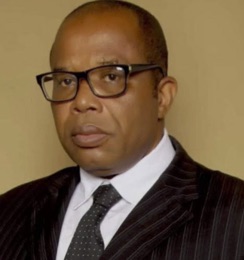
Chairman of the Osun State Football Association, Sola Fanawopo, lauded the production standards, describing the live coverage as a turning point for domestic football in Nigeria.
“I just sat down to watch the live broadcast… and despite my home team losing, I walked away with a profound sense of optimism,” Fanawopo said.
“The production was unlike anything I have ever seen in local Nigerian football. From the crisp camera angles to the top-notch commentary and the insightful halftime interviews, the quality was undeniable. It wasn’t just a football match; it was a professional media event.”
The improved coverage, driven by Team 33 Production in partnership with the NNL, is gradually redefining how fans engage with the domestic game, an area long criticised for poor visibility and substandard presentation.
Fanawopo, however, urged organisers to build on the progress by incorporating real-time data analytics into broadcasts.
“To truly compete with the global elite, the next step is bringing data to the screen. Fans want to understand the ‘why’ and ‘how’ behind the scoreline — possession stats, distance covered, tackles won and ball recoveries,” he added.
He noted that beyond aesthetics, enhanced production is addressing a deeper issue in Nigerian football — lack of exposure.
Other News
“For decades, the tragedy of Nigerian football has not been a lack of talent, but a lack of visibility. Matches went unseen and elite prospects remained undiscovered. This initiative is changing that narrative,” Fanawopo stated.
According to him, the introduction of premium fixtures such as “Star Matches of the Week” is creating valuable content capable of attracting scouts, sponsors, and a wider audience.
Industry observers believe the improved broadcast standards could elevate the NNL’s brand, boost commercial viability, and strengthen fan engagement, while also giving players a global digital footprint.
Fanawopo further aligned the initiative with broader reforms within the Nigerian football ecosystem, noting its connection to evolving sports management structures and private sector investment.
Drawing comparisons with established platforms on the continent, he suggested Nigeria may be on the verge of its own defining moment in sports broadcasting.
“For years, others have set the standard in Africa, but this could be Nigeria’s moment if sustained and properly scaled,” he said.
He concluded with a call to action for stakeholders across the football value chain.
“The future of Nigerian football will not be determined solely on the pitch, but by how it is packaged and delivered. The standard has been raised — the question is who will rise to meet it.”