Follow Us on Google
From David Onwuchekwa, Nnewi
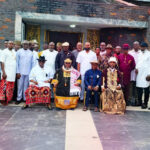
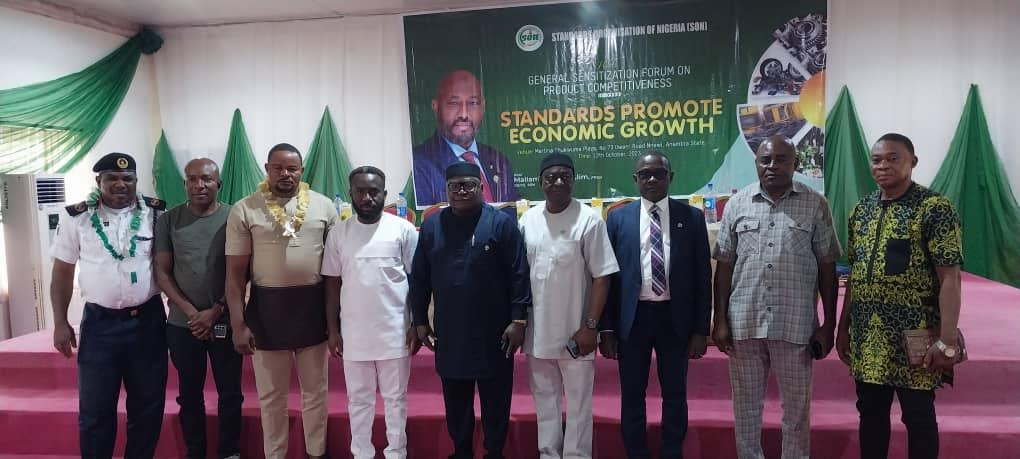
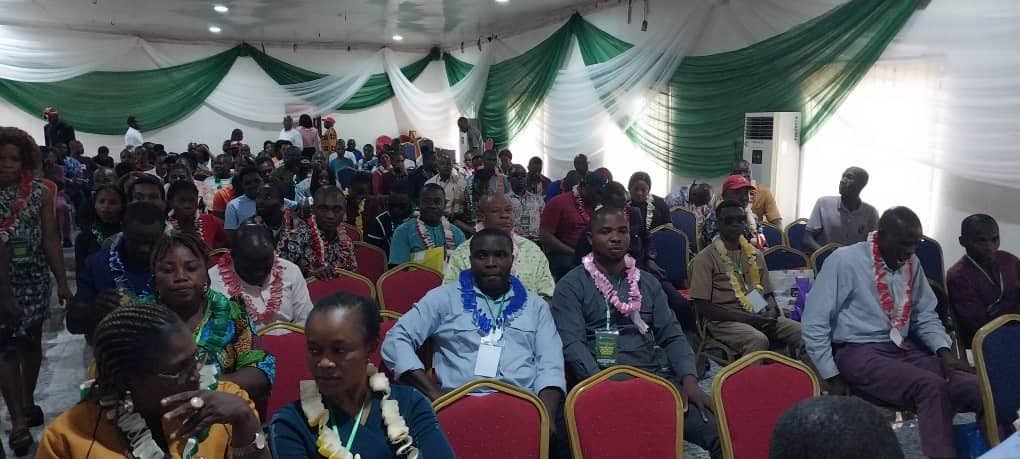
The Standards Organisation of Nigeria (SON), Thursday, hosted an assemblage of manufacturers, importers, exporters, traders and other classes of businessmen and women for a one-day sensitisation and awareness creation workshop.
The event which took place at Innoson’s plaza, Owerri Road, Nnewi, Anambra State had in attendance other dignitaries including the Nnewi Crown Prince, Obi Orizu; the Senior Special Assistant to the Director General of the SON, Chief Emeka Duru; Anambra State Commissioner for Industry, Hon Christian Udechukwu, represented by Mr Eloka Maduekwe; the Director, National Metrology Institute (NMI), Enugu, Engr Onucheyo Enebi who made a presentation on the theme: Expanding The Frontier Of Local Manufacturers Through Standardisation, and the President, Nnewi Automobile Manufacturers and Importers Association, Mr Austin Jideofor.
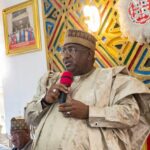
Addressing the participants, the SON DG, Mallam Farouk Salim said the essence of the programme was to educate the stakeholders of the organisation on the imperatives of standardisation.
Mallam Salim whose address was delivered by the Director, Anambra Regional Operations, Mr Mathias Bassy told the manufacturers that their roles as service providers in the socio-economic development of Nigeria could not be overemphasised. He said the gathering was also meant to boost the existing cooperation between them and SON.
“The standardisation programme with the theme: “Expanding The Frontiers Of Local Manufacturers Through Standardisation” could not be more apt, bearing in mind that standardisation is key for any meaningful industrialisation and development activity to take place.
“Standardisation is the process of making something conform to a standard. It is a framework of agreements to which all relevant parties in an industry or organisation must adhere to ensure that all processes associated with the creation of a good or performance of a service are performed within set guidelines.
“Standardisation promotes productivity and eliminates inefficiency. It provides quality control, and tasks are completed in a more efficient manner. “It is also important because it ensures safety and consistency in products and services, “the DG noted.
He also told the participants that standardisation had to go with quality assurance which entailed processes of inspection, sampling and testing to ensure that products that were locally made in Nigeria or imported conformed to the minimum requirement of the Nigerian Industrial Standards (NIS) before they were sold to the public.
Mallam Salim declared that standardisation would always give the consumer confidence in the quality of products being purchased and value for money spent which, according to him, was an attestation that the products could favourably compete globally.
“It is in the light of the foregoing that the SON charged with the responsibility of ensuring standards and standardisation activities in Nigeria has put in place the following policies and initiatives that targeted at expanding the frontiers of the local manufacturer through standardisation and quality assurance activities.
“The management of the SON in its wisdom in 2006 established the scheme as a way of ensuring that locally made products, that is, ‘made in Nigeria’ meet international benchmarks. It is a periodic and regular factory inspection, sampling and laboratory testing to implement the Mandatory Conformity Assessment Programme for certification.
“We carry out regular market surveillance to ascertain quality and gather data on product performance in the markets. It is also done to avoid undue interference with locally made and certified products, “he said.
He explained inspectorate and compliance activities as the monitoring of products and materials, be they imported or locally made for compliance to ensure that the relevant product standard was met. He said it was formulated as part of the efforts to protect certified made-in-Nigeria products from undue competition from fake and substandard imported products.
“Standards development is key in SON standardisation and quality assurance drive, and it is a deliberate plan of action designed by management in tandem with the desires of the local manufacturers to enable them to meet the prescribed minimum requirements of the relevant Nigerian Industrial Standard (NIS) as applicable.
“In the same manner, SON initiated a policy that ensures that local manufacturers and other relevant stakeholders are actively involved in the standards development process through inclusion in technical committees.
“SONCAP as an offshore activity is carried out on SON’s behalf by international accredited firms to confirm the quality of products as meeting requirements of the Nigeria Industrial Standards before being imported into Nigeria.
“It is done with a view to protecting Nigeria from being a dumping ground for all manner of junks (substandard products) that may be inimical to our economy. Sales of standards at subsidised prices to local manufacturers is a way of encouraging and expanding the frontiers of indigenous companies in Nigeria.
“This is also done to confirm product quality and to maintain an inventory of products in the market for traceability. SON has put in place all of these in order to create an enabling environment for the local manufacturer through standardisation and quality assurance activities so that made-in-Nigeria products can meet global standards and acceptance, “he concluded.
The state coordinator, Anambra office II, Mr Mike Ogbuji gave the participants an assurance of going home with a lot of knowledge that would expand their frontiers in their various businesses.
The participants were also advised to get their products certified to have a market advantage.