Follow Us on Google
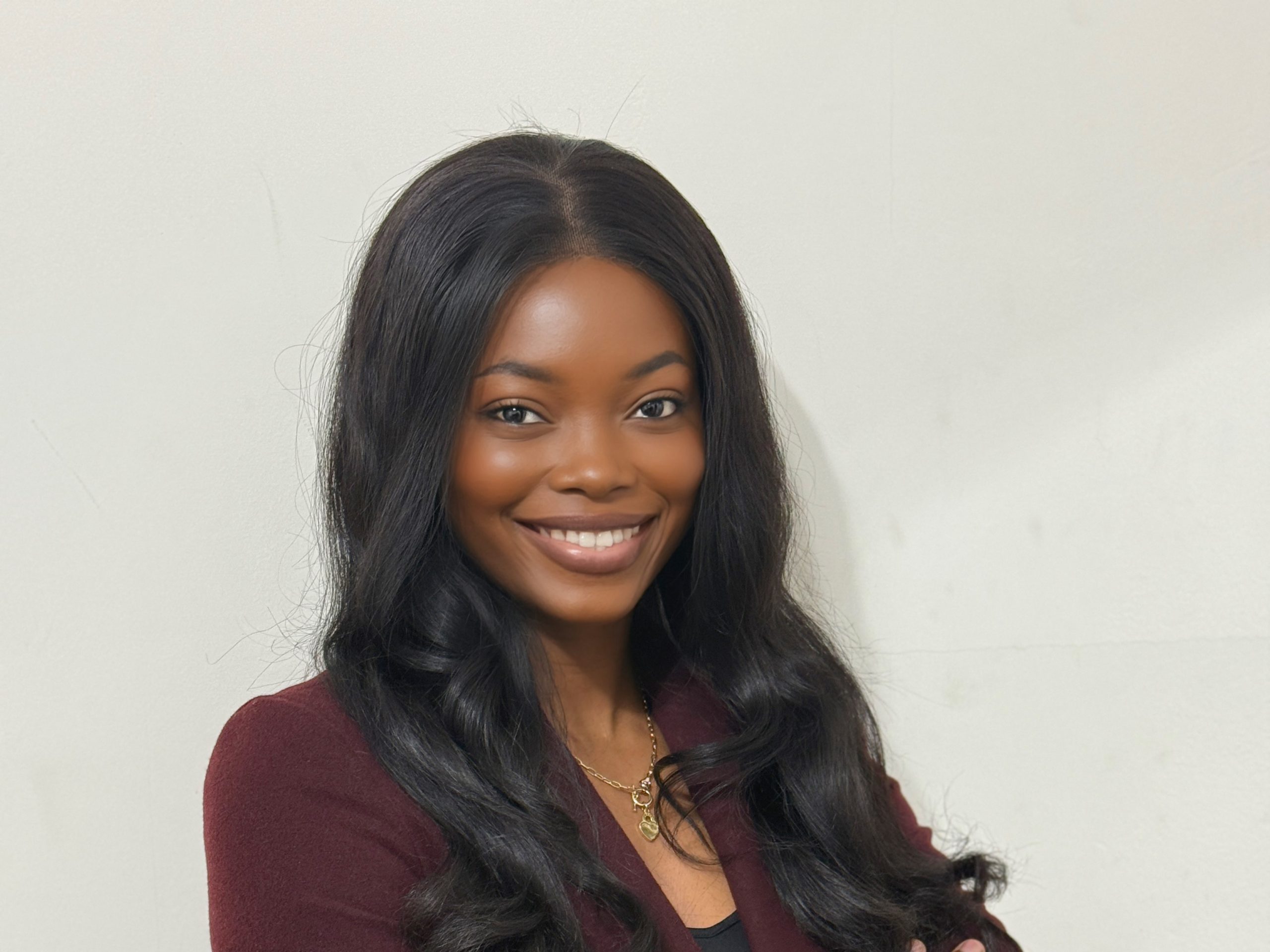
Discussing the AI revolution, Nneoma Udeze raises a very important question: “Revolution for whom? She explains, “While AI is very effective for English speakers, it fails most people in the world who do not speak English but speak other languages.
The numbers are impressive: there are approximately 2,000 languages in Africa, but the vast majority of them are underrepresented in technology, according to the World Economic Forum (2025). The fact that Google plans to expand Google Translate to 249 languages, and 60 of them are African languages, is a much-needed progress. However, as Nneoma points out, “That still leaves more than 1,940 African languages with a limited digital presence. We have a long way to go.”
One of the main areas of interest of Nneoma is the detection and reduction of bias in language AI systems. “Bias in language AI is pervasive,” She notes. “We witness gender bias, ethnic bias, and cultural bias; Western ideologies are forced into multicultural situations.
The organizations that apply AI to African languages must disclose the languages they support, the data employed, the limitations, and the mitigation measures against bias. Users deserve transparency.”
Nneoma’s vision is practical and inspiring. She says, “I imagine a child in rural Nigeria using AI in Igbo, an entrepreneur in Kenya building applications in Swahili, a student in Ghana accessing educational resources in Twi, and elders in Madagascar preserving cultural knowledge in Malagasy. I imagine AI systems that will be able to celebrate linguistic diversity, preserve cultural heritage, and provide opportunities to all speakers, not only a few.”
Reflecting on her motivation, Nneoma shares, “Language is very personal. Similar to most Africans, I was raised in an environment where I switch between several languages, alternating between English at school and local languages at home. I have experienced the diversity of multilingualism and the pain of linguistic neglect. I feel ashamed when children are embarrassed by their first language, when languages die due to the lack of digital representation, and when great minds are locked out due to language barriers.”
She added that the stakes are much higher than technology: “The digital future will be determined by how we treat linguistic diversity in AI. Will English overtake and leave billions behind? Will the Western views be homogenized and the other worldviews disappear? We are at a turning point. The technology exists. The knowledge exists.
The only thing that is required now is the desire to take action and the bravery to make the right choice in favour of justice, equity, and real inclusion.”
Looking ahead, Nneoma is optimistic: “Any attempt to add more African languages to AI is a move towards a more just digital world. My goal is to make sure that the linguistic diversity is not only maintained but also honoured so that every child, student, and entrepreneur can have the tools to succeed in their own language.”