Follow Us on Google
Ambitious 2026 agenda to bridge gaps in both professions
________________________
From Juliana Taiwo-Obalonye, Abuja
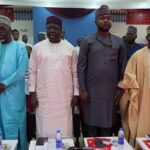
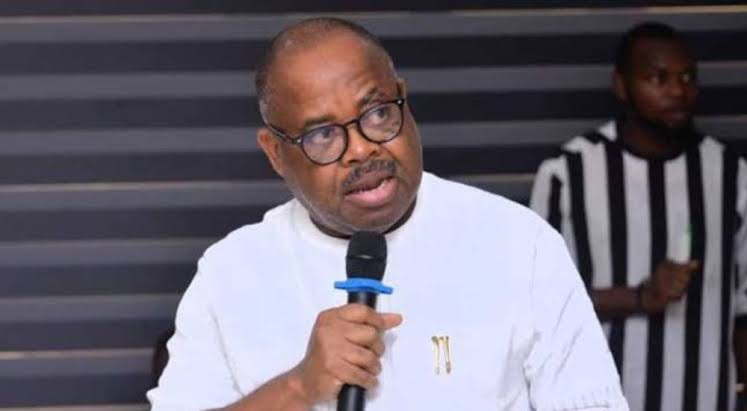
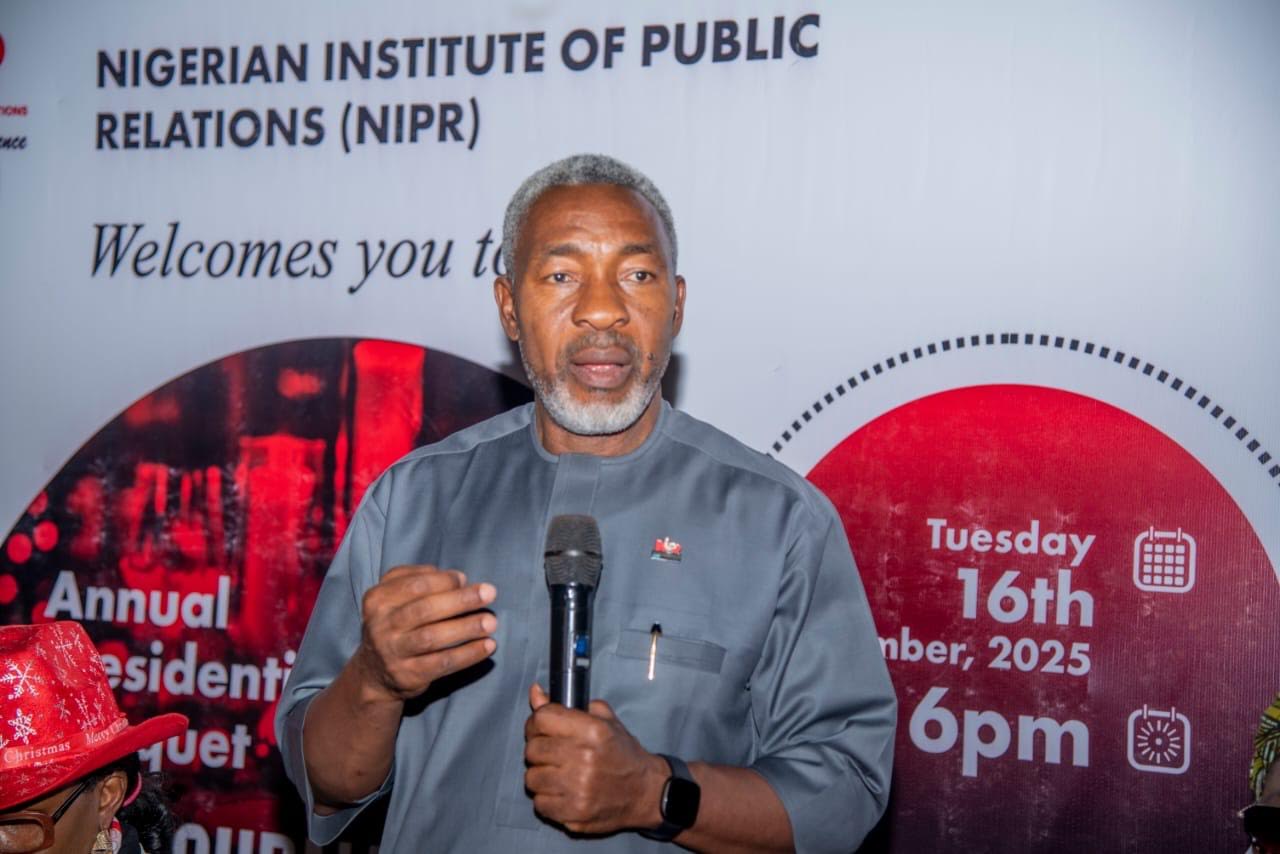
The President of the Nigerian Institute of Public Relations (NIPR) and Chairman of its Council, Ike Neliaku, at the institute’s annual dinner, has urged journalists to position public relations as a lifelong career bridge for media professionals beyond retirement age.
This is even as he announced free professional training programmes for journalists, global networking perks through NIPR membership, and a packed 2026 calendar headlined by Nigeria’s first Reputation Perception Survey and the World Public Relations Forum.
In his address at the dinner held on Tuesday night in Abuja, Neliaku emphasised NIPR’s dual mission: advancing national interests while empowering journalists personally and professionally. “One is for you to do our work for our nation. Number two is seek a way to also add value to you, to your profession, to your personalities and to your lives,” he stated. He highlighted PR’s enduring nature, contrasting it with public service retirement norms: “Journalists retire because you know in public service, when you are 60 years you retire but public relations is a profession that you practice till thy kingdom come. That’s the way it is designed because so long as human beings exist, relationship must continue and so long as relationship continues, somebody has to manage relationship.”
Neliaku touted NIPR membership’s international clout, recognised by the Global Alliance for Public Relations and Communication Management across 156 countries. “We’re not praying that you should Japa but if you have a project or a consultancy in any of these countries, all you need is to ask for public relations people there and to say I am member NIPR and they will give you the assistance that you require,” he assured. He cited a recent example involving United Nigeria Airlines Chairman, an NIPR Fellow, whose inaugural Ghana flight succeeded seamlessly thanks to NIPR contacts there: “We called our people in Ghana. They worked with his manager on ground to ensure that the programme was flawless, well reported, well received and so on.”
Targeting journalists’ career evolution, Neliaku revealed council-approved free training: “NIPR should mount a professional training programme for all the journalists working with us free of charge. We will take care of everything that is required to give it to you.” Journalists must form small teams to identify needs, ensuring tailored sessions via stakeholder engagement. “Put your head together tell us that these are the areas we want help so that we can do a fit for purpose training programme,” he directed, instructing them to liaise with the Director of Public Relations (DPR) to make it happen.
He envisioned journalists transitioning into high-value PR consulting: “Once you finish you can open up your office, you are no longer just consulting for journalism, you are consulting for reputation building, you are consulting for stakeholder engagement, you are consulting for consultations and consensus building, you are consulting for community relations and peace building.”
Other News
Neliaku also sought prayers for a strong finish to his tenure: “I want to beg you that the prayer that I need now is the prayer to finish well… I am not in any way contemplating extension of tenure but I am interested in finishing very well.” He integrated journalists into the NIPR team: “All of you are now part of our team… let all of us work together to finish very well to the glory of God.”
Sharing NIPR’s 2026 agenda, Neliaku invited media input as agenda-setters. The lineup kicks off on 15 January with the unveiling of Nigeria’s first Reputation Perception Survey Report, produced with Reputation Perception Services and expanding from governors to national scope. Insights from global focus groups revealed stark views, including a Malaysian noting they “barely hear anything good about Nigeria,” a US participant citing invisible leaders, and an Australian praising Nigeria’s diversity and culture as its “greatest asset.” “Reputation is our core asset as a person, as an organisation, as a nation… Reputation is a capital asset and we must not joke with it,” Neliaku stressed.
This flows into the Nigeria Reputation Summit on 20 January, followed by the inaugural NIPR Price Awards (Public Relations Innovation, Creativity, Excellence) on 25 January to honour top practitioners, with future editions on 7 December annually. On 17 March comes an International Women’s Day event for inclusive PR practice, alongside a Youth Fireside Chat with the French Ambassador focused on youth initiatives. From 20–25 April, the third Nigeria Public Relations Week heads to Kaduna in partnership with the state government under the banner “Croke City 2026.” On 23–24 June hosts the third Nigeria Spokesperson Summit, building on prior successes.
October marks the National Lecture Series month, featuring the Obi/Achebe Lecture for Peace and National Reconciliation, Raymond Dokpesi Annual Lecture, Sam Epelle Lecture, and a new Nigeria Leadership Lecture to address leadership issues annually.
He said the NIPR National Secretariat would be inaugurated also in October, crediting partners like FRCN and the Minister for support: “We don’t have a place and we can’t be doing reputation without reputation.” Culminating in November, the World Public Relations Forum would run from the 15th to 21st, drawing 126 countries and top global minds. “You are going to see the biggest, the brightest and the boldest public relations gathering in the world in Nigeria,” he promised, urging early-bird registration, with the University of Public Relations and Leadership launching on 19 November as a global first.
Neliaku ended with a passionate nationalism pitch, blaming poor leadership – not resources – for Nigeria’s woes, yet celebrating global Nigerian excellence. He recounted South Africans’ awe at high-achieving Nigerians honoured during a past presidential visit. “What is left is for us to be convinced of who we are? We have been programmed to think low of our nation but the time for us to re-programme that programme and re-programme ourselves is now.”
He decried divisive narratives: “We must never allow our ethnicism to becloud our reasoning. We are bigger than where we come from… We are Nigerians.” Religion, too, divides: “They have used religion to confuse us… The time for us to release ourselves from such programmes is now. We are Nigerians and we must love one another.” Nations succeed by managing narratives better, he argued, citing Australia’s crisis handling.