Follow Us on Google
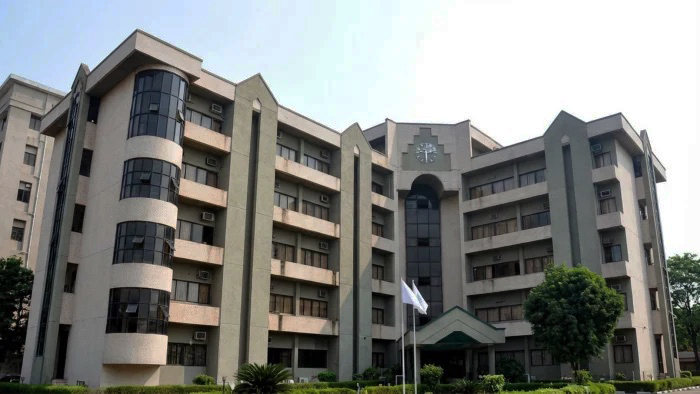
The National Human Rights Commission’s (NHRC) revelation that it received 326,113 human rights complaints in June alone is horrifying. This amounts to over 11,000 every single day. It is a devastating portrait of a nation where constitutional rights are increasingly under siege and where too many citizens live in fear rather than freedom. Behind every complaint is a violated right, a shattered family, a frightened child or a citizen whose faith in the state’s protection has been eroded. This is not merely a statistic. It is an indictment as well.
Even more disturbing is the finding by the NHRC’s Human Rights Observatory that sexual violence against children remains widespread, with the commission describing it as one of the gravest threats facing the country. Few realities are more horrifying than children becoming victims of brutality in a society that should be their safest refuge. When children cannot learn, play or sleep without fear, the future of the nation itself is under assault.
Nigeria is already battling terrorism, banditry, kidnapping, communal violence, cultism and violent crime. Many communities have been displaced. Farmers abandon their lands for fear of attack. Schoolchildren continue to face the trauma of abductions. Women and girls remain vulnerable to sexual violence. The sheer volume of complaints received by the NHRC demonstrates that human rights violations are no longer isolated incidents; they have become an unsettling feature of daily life.
Government exists primarily to safeguard individual rights and freedoms. When citizens increasingly resort to the NHRC because those protections have failed, it signals not only institutional weakness but also a crisis of governance.
Nigeria’s situation is alarming, but it is not unique in African. Several countries have confronted severe human rights crises and responded with varying degrees of determination. Rwanda, following the horrors of the 1994 genocide, invested heavily in rebuilding state institutions, strengthening community policing and establishing accountability mechanisms. Those measures may not be perfect but the country demonstrated that national recovery requires deliberate investment in security, justice and institutional reforms.
In Sierra Leone, years after a devastating civil war marked by widespread atrocities, successive governments introduced reforms in policing, judicial administration and child protection while working with international partners to rebuild public confidence. Though problems persist, sustained institutional rebuilding has helped reduce some of the systemic abuses that once defined the country.
Closer to home, Ghana has strengthened the independence of its Commission on Human Rights and Administrative Justice, reinforcing oversight of state institutions and providing citizens with accessible mechanisms for seeking redress. While no African nation has perfected human rights protection, these examples illustrate that meaningful progress depends on political will, institutional capacity and sustained public accountability.
Other News
The Nigerian government cannot continue responding with expressions of sympathy after every tragedy while structural deficiencies remain unaddressed. Condemnations without consequences embolden perpetrators. Investigations without prosecutions undermine public confidence. Policies without implementation become empty promises.
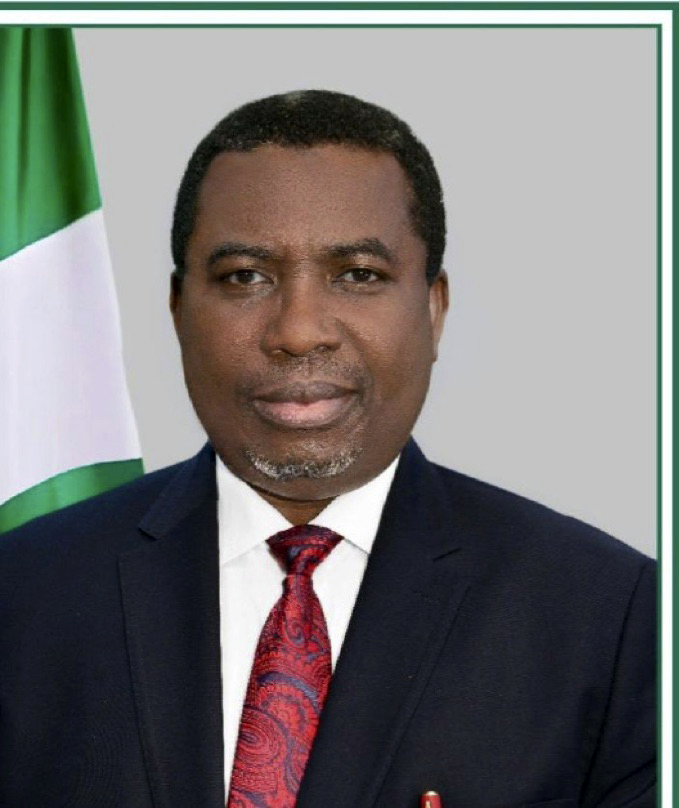
The recommendations advanced by the Executive Secretary of the National Human Rights Commission, Tony Ojukwu, deserve immediate attention. His call for stronger protection of civilian populations, vigorous prosecution of perpetrators of abuses, expanded child protection measures, improved school safety and comprehensive psychosocial support for victims reflects a practical roadmap rather than mere rhetoric.
We wholeheartedly align with those recommendations. Protecting civilians requires intelligence-driven policing, improved coordination among security agencies and better deployment of personnel to vulnerable communities. Perpetrators of human rights abuses—whether terrorists, bandits, kidnappers or even state actors—must be investigated promptly and prosecuted transparently. Justice delayed or selectively applied only deepens public cynicism.
Similarly, child protection must become a national emergency. Schools should no longer resemble potential crime scenes. Governments at all levels must invest in safer learning environments, community surveillance, early warning systems and rapid emergency response capabilities. Children who survive abuse also deserve more than sympathy; they require accessible counselling, rehabilitation and long-term psychosocial support to rebuild their lives.
Civil society, religious organisations, traditional rulers and community leaders also have important roles to play. Human rights protection cannot rest solely on government institutions. Communities must reject cultures of silence surrounding domestic violence, child abuse and sexual exploitation. Citizens should be encouraged to report abuses without fear of intimidation or retaliation.
Ultimately, the true measure of a nation is not found in its economic statistics or political slogans but in how effectively it protects its most vulnerable citizens. The NHRC’s report is a sobering reminder that too many Nigerians still live without that assurance.
The figure of 326,113 complaints should serve as a national wake-up call. Every complaint represents a cry for justice, dignity and protection. Government must answer that cry with decisive action, not bureaucratic indifference. Nigeria cannot build lasting prosperity while insecurity and human rights violations continue to flourish.