Follow Us on Google
By Ngozi Nwoke
In the heart of Lagos, a treasure trove of Nigeria’s rich cultural heritage is left standing.
The National Museum, a beacon of history and art, is a testament to the country’s vibrant past, preserving traditional art, artefacts, and historical objects for generations to come.
For visitors, the museum is a journey through time, showcasing the country’s diverse cultural landscape. From the Nok terracottas to the Benin Bronzes, each artefact tells a story of a people, a place, and a time.
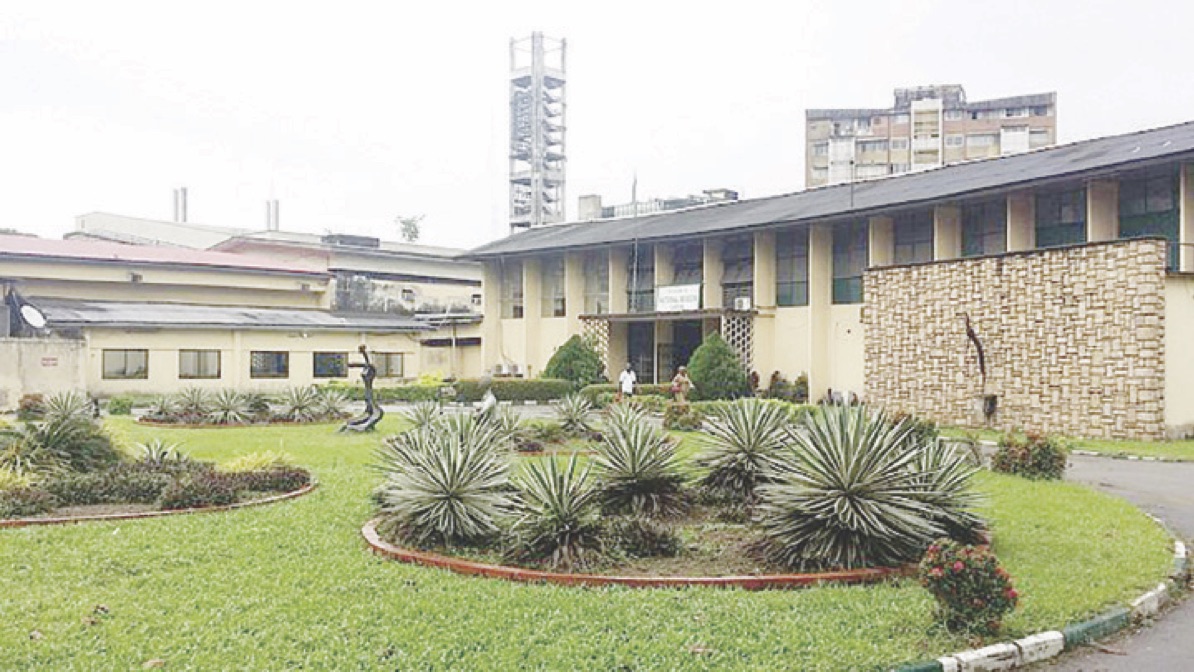
The museum’s exterior is a blend of traditional and modern architecture, with a spacious garden in front.
Inside, the museum boasts an impressive collection of over 47,000 artefacts, showcasing Nigeria’s rich cultural heritage.
Traditional Nigerian arts, archaeology, and ethnography, including the famous Jemaa Head, a terracotta sculpture from the Nok culture dating back900-200 BC, are seen on exhibition galleries.
The museum’s galleries feature an array of fascinating items, such as traditional masks, including Ekpo masks from Calabar and Gẹlẹdẹ wooden masks.
Wooden figures, like the Mumuye and Ikengas, bronze sculptures, including the Anyanwu bronze statue, textiles, like Akwete cloth and other traditional fabrics are seen in the museum, as well as the car in which General Murtala Mohammed was assassinated in 1976.
The museum also has a children’s learning zone, funded by the U.S. Consulate and offer guided tours and educational materials.
However, there are concerns by artefact experts that the museums in Nigeria are not serving their main objectives and making intellectual impact.
With its richness, the museum faces a challenge of poor awareness and publicity, which hinders its ability to be fully utilised for research purposes, hindering the promotion of Nigeria’s cultural heritage.
Despite these challenges, the National Museum remains a vital institution in preserving Nigeria’s history and culture, attracting tourists, and promoting cultural tourism.
Tourism experts and artefact bloggers have urged the government to address these challenges, including collaborations with international organisations, and promote initiatives that raise awareness about the importance of cultural preservation.
“These museums are more than just buildings; they’re repositories of our collective memory, said Lagos-based Raphael James, Director-General of the Centre for Research and Information Management and Media Development (CRIMMD).
According to James, museums play a vital role in preserving Nigeria’s rich cultural heritage, showcasing the country’s history, art, and traditions.
He emphasised that museums serve as educational institutions, providing a platform for Nigerians to learn about their past, appreciate their present, and shape their future.
He noted that the country’s museums are treasure troves of artefacts, artworks, and historical objects that tell the story of Nigeria’s diverse cultures, from the ancient Nok civilisation to the present day.
James stressed that preserving Nigeria’s cultural heritage is a collective responsibility, requiring collaboration among stakeholders, including government agencies, cultural institutions, and the public.
He called on Nigerians to support efforts to protect and promote the country’s museums, ensuring that future generations can appreciate and learn from the nation’s rich cultural legacy. “Our museums are national assets, and it’s time we treated them as such,” James stated.
Sharing in James’s sentiments, Lagos-based art blogger, and fine artist Joel Gabriel explained that museums like the Calabar Slave Museum and the Umuahia War Museum play a crucial role in promoting national identity and unity.
He stated that they serve as reminders of Nigeria’s complex history, fostering a sense of shared experience and collective consciousness.
“Museums have the power to unite us, to remind us of our shared heritage,” Gabriel said.
According to him, museums serve as a bridge between the past and the present, offering a glimpse into the lives, traditions, and histories of diverse cultures.
“By showcasing Nigeria’s rich cultural heritage, museums like the National Museum Lagos and others foster a sense of national identity and unity among Nigerians.
“Museums also play a vital role in promoting cultural exchange and understanding. The National Museum Lagos, for instance, has partnered with international institutions to showcase Nigerian art and culture globally.
“Such initiatives not only promote cross-cultural understanding but also contribute to Nigeria’s economic development through cultural tourism.”
In his opinion, Chancellor and President of African American University, Ben Ezeohagwu, stressed the need for increased promotion of cultural education and values in schools as a necessary step to enable pupils and students to develop interest in utilising the museum.
Ezeohagwu emphasised that cultural education should be made compulsory at all levels of education, from primary to higher institutions, just like the English language.
He advocated government grants and scholarships to encourage students pursue courses in languages, literature, drama, theatre, music, visual arts, crafts and other cultural disciplines, to create job opportunities in museums, schools and other sectors.
According to him, the government should enact policies that support art and culture, while non-governmental organisations partner with schools to provide learning materials and expertise to boost teaching and learning.
Ezeohagwu urged the government to offer cultural jobs to graduates of arts and culture-related courses to preserve Nigeria’s rich cultural heritage.
Also speaking, Amadi Theophilus Chukwuemeka, a former artefact curator at the National Museum of Colonial History, Aba, highlighted the benefits of applying a community inclusive approach in locations of the museums for diverse voices to create richer narratives, and the community to feel valued, fostering pride and stewardship.
“Community-driven curation and interpretation is a powerful approach to engage with Nigerians’ heritage, prioritising community voices and perspectives,” he said.
He cited examples, including Owerri museum’s cultural engagement with elders to curate Omena àla Igbo video exhibition and Lagos museum’s video exhibition featuring an Ifa priest.
He also suggested using oral tradition, participatory exhibition, and digital engagement through social media to promote cultural tourism and economic growth.
“Good collaboration creates a good environment that attracts tourists and boosts tourism,” he added.
It is also worth noting that the repatriation of Nigeria’s cultural artefacts from foreign countries has been a painfully slow process, with many artefacts still held in foreign museums and private collections despite years of negotiations and appeals.
Over the years, Nigeria has made significant strides in repatriating its looted treasures. In 2021, the Horniman Museum in London returned 72 Benin Bronzes, while the Netherlands returned 119 Benin Bronzes in 2025.
The Wereldmuseum in Leiden and the municipality of Rotterdam handed over 113 and six artefacts, respectively. In 2022, 31 Benin Bronze artefacts were repatriated from US museums, and Germany agreed to return over 1,000 Benin Bronzes.
Despite these efforts, many artefacts still remain in foreign institutions, with the British Museum holding approximately 900 Benin artefacts.
The Nigerian government has been urged to increase its efforts to repatriate the country’s cultural artefacts, including seeking international cooperation and assistance.
Speaking on the issue, Phillip Ihenacho, an artefact curator, said: “The repatriation of cultural artefacts, such as the Benin Bronzes, is a pressing issue. Nigeria is working to reclaim its looted treasures, and museums are playing a key role in this process. We are not just fighting for the return of our artefacts; we are fighting for our cultural identity. The fate of Nigeria’s cultural heritage hangs in the balance, as the country navigates the complex process of repatriation.”
During a visit to the National Museum by the reporter, a team of Chinese foreigners were also on visitation looking excited to see the captivating artefacts.
The curator of the museum, Mrs Nkechi Adedeji took the visiting foreigners on a guided tour of the museum.
It was an enriching cultural exchange as they explored the galleries, engaged with heritage objects, and experienced firsthand stories of Nigeria preserved for decades.
She disclosed that the museum is working on a multi-phase plan to revamp its operations and make it a premier destination for cultural exchange and education.
“We are digitising our collections and creating virtual exhibitions to reach a wider audience,” Adedeji said. “We’re also launching interactive programmes like workshops, lectures, and cultural festivals to engage visitors and showcase Nigeria’s rich heritage.”
She revealed that the museum is also upgrading its facilities to create a more immersive experience for visitors, while describing the visit by the foreigners as a great opportunity to showcase Nigeria’s museum’s potential.
“We are exploring partnerships with Chinese institutions for cultural exhibitions showcasing Nigerian art in China and vice versa, artist residencies with exchange programmes for Nigerian and Chinese artists, and capacity building with training for our staff on museum management and conservation techniques,” she said.
The curator expressed optimism about the collaborations, saying the museum is looking forward to strengthening ties with international partners to promote Nigeria’s cultural heritage.
Addressing the concern of the museum being underutilised, the Director-General of the National Commission for Museums and Monuments (NCMM), Olugbile Halloway, revealed on the Commission’s website that its core function is to preserve Nigeria’s cultural heritage.
According to Halloway, the NCMM is responsible for collecting, documenting, conserving, and preserving antiquities, as well as presenting them to the public for education, enlightenment, and entertainment.
He highlighted that the commission also manages museum collections, formulates, and promotes museum policies, ethics, and practices.
The NCMM boss noted that some of the commission’s key mandates include acquiring cultural objects, documenting and preserving them, and showcasing them through exhibitions and public programmes. He assured that the commission would continue to establish and maintain museums and promote research and education on Nigerian cultural heritage.
He said: “The commission’s goals align with international standards, aiming to preserve Nigeria’s tangible and intangible heritage, promote cultural tourism, and foster national development. It also seeks to promote professionalism in museum management and conservation and to utilise museums for educational and cultural purposes.
“The NCMM’s vision is to reposition the museum system to drive heritage conservation, job creation, and poverty alleviation while promoting cultural industries and private sector participation.”
He disclosed that the commission also plans to standardise the administration of private museums in Nigeria, ensuring that they meet international standards.
Halloway emphasised that the NCMM’s efforts are geared towards promoting national identity, pride, and unity among Nigerians through the preservation and promotion of the country’s rich cultural heritage.