Follow Us on Google
By Bimbola Oyesola
At PENGASSAN’s 2025 summit, leaders warned inefficiency and policy flip-flops could derail Africa’s top producer.
Nigeria’s oil and gas sector is at a turning point as labour leaders, government officials, and industry stakeholders who gathered recently in Abuja for the 2025 Petroleum and Natural Gas Senior Staff Association of Nigeria (PENGASSAN) Energy and Labour Summit (PEALS 2025) pointed out.
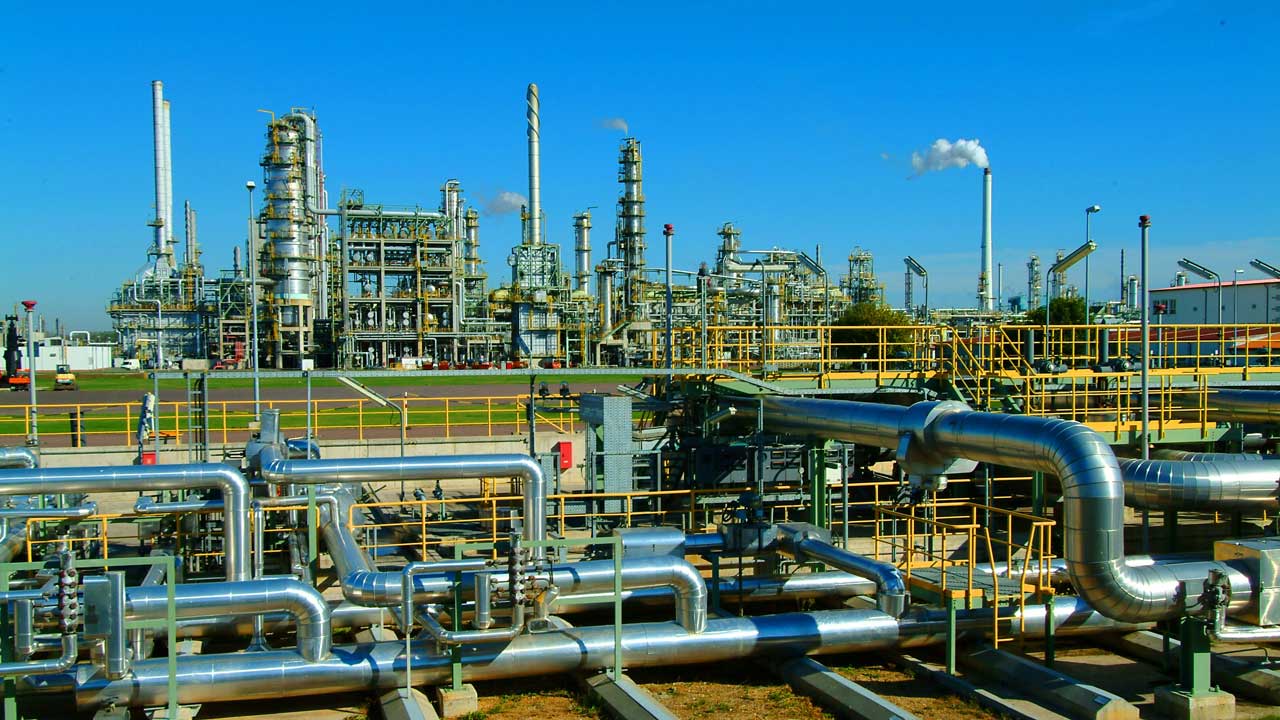
The debate focused on how the country’s troubled refineries could survive and how Nigeria can cement its place among the world’s best in oil production.
With 37 billion barrels of crude reserves, Nigeria holds one of the largest untapped resources on the continent. Yet, concerns persist that without bold reform, those reserves could remain underutilised.
“Nigeria’s 37 billion barrels of crude reserves risk remaining underutilised if production continues to hover around two million barrels per day,” warned PENGASSAN president, Comrade Festus Osifo.
Osifo, who is also president-general of the Trade Union Congress (TUC), pushed for a new operational model for the country’s ailing refineries.
“Government must divest majority control of the refineries, just as in the NLNG model, where private partners hold 51 per cent while the government retains 49 per cent,” he said.
The labour leader argued that inefficiency, waste and political interference were the real enemies of refinery survival: “While Nigeria’s workforce possesses the expertise to manage refineries, the absence of efficient tools and persistent political meddling have led to recurring breakdowns.”
Industry watchers at the summit agreed that Nigeria’s energy future depends not only on production but also on global competitiveness. “Energy supply in Nigeria is not only about energy security, but also about asserting Nigeria’s position as a regional leader and dependable supplier,” said Minister of State for Petroleum Resources (Oil), Dr. Heineken Lokpobiri.
Lokpobiri insisted that attracting fresh investment would be critical. “With more investment comes the capacity to upgrade infrastructure, adopt advanced technologies, and expand production. This is the virtuous cycle we are building,” he stressed.
Other News
Government policy
But questions of policy stability dominated discussions. Osifo cautioned against hasty changes to the Petroleum Industry Act (PIA) 2021. “Amendments to laws are inevitable but not done haphazardly and intermittently. Constant reversals undermine stability and discourage investment,” he warned, faulting recent moves to tamper with the Act.
The summit also took stock of progress. Nigeria’s crude output, which fell sharply from 2.4 million barrels per day to 800,000 in 2021, has now risen to 1.5 million. “Thanks to the initiatives of regulators, the resilience of our workforce, and operator support, production is now climbing,” Osifo noted.
For many, the bigger question is how oil wealth is used. “Oil revenues should be reinvested in infrastructure, education, and healthcare to promote diversification in the country,” Osifo urged.
Bayo Ojulari, Chief Executive of the Nigerian National Petroleum Company (NNPC) Limited, added that sustainability must be embedded at every stage. “For Nigeria to remain competitive in the oil and gas industry and attract more investors, efforts must be made to adopt strong Environmental, Social, and Governance (ESG) practices,” he said.
Labour issues
Human capacity was another focus. “The sector’s sustainability depends not only on reserves and infrastructure, but also on equipping Nigerians with critical skills in engineering, safety, automation, and digital technologies,” said Felix Ogbe, Executive Secretary of the Nigerian Content Development and Monitoring Board (NCDMB).
This was also corroborated by the Minister of Labour and Employment, Muhammad Dingyadi, who reminded participants that oil resilience was about people as much as pipelines. “Resilience in oil and gas is not only about infrastructure or investment, but about people, labour policy, and empowering the workforce,” he said, pledging to advance decent work, fair wages, and skills development.
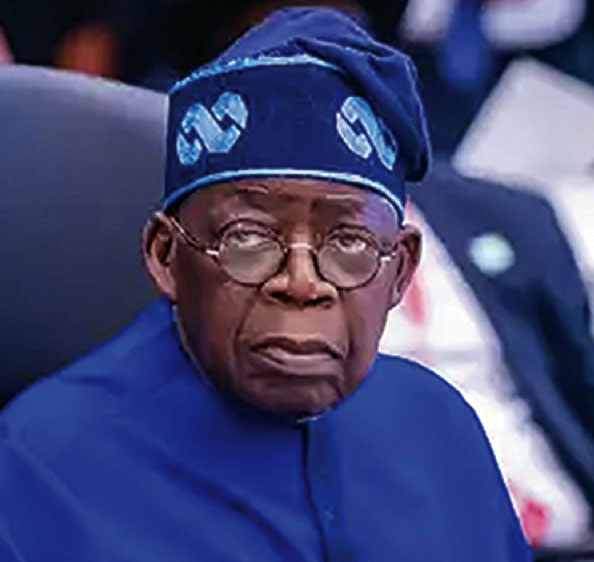
Delegates also hailed three executive orders signed by President Bola Tinubu in 2024 to cut red tape, attract investment, and expand gas development projects. “This is the right step in the right direction,” Osifo acknowledged, urging consistency in follow-through.
Despite the volatility of global markets, speakers struck an optimistic tone, insisting Nigeria could still rise to global oil leadership. As Lokpobiri summed it up: “Nigeria can overcome these challenges, and when harnessed, they will position the country as an energy powerhouse.”
For Nigeria’s refineries and its oil legacy, the challenge is clear: survival depends on breaking old cycles and embracing a new model that balances efficiency, investment, and sustainability.