Follow Us on Google
By Juliana Taiwo-Obalonye
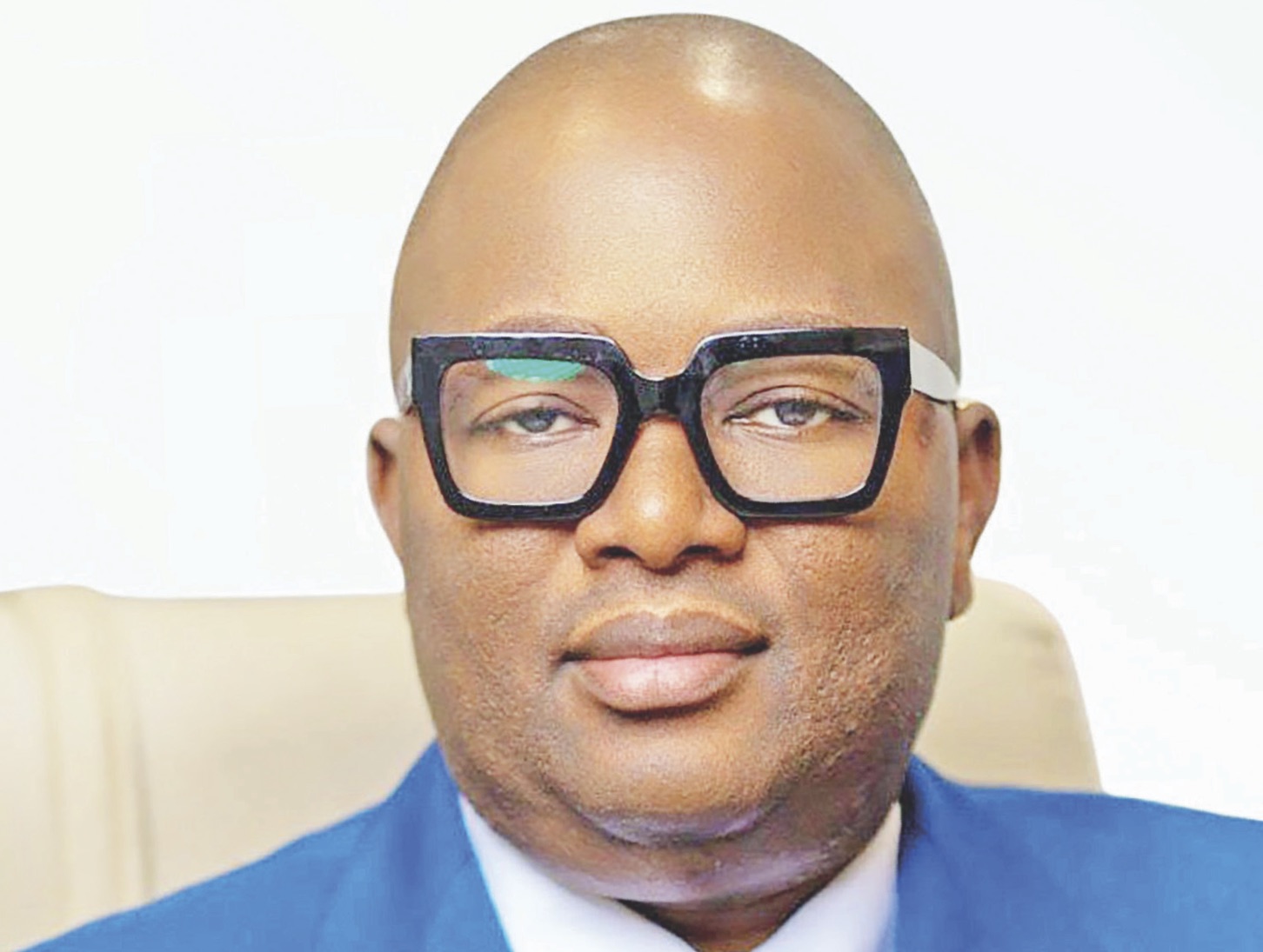
At 17, Andrew Enofe left Nigeria for Canada alone. Today, as the CEO and Founder of Golden Gate Investments Inc. and a top-tier licensed real estate broker with Right At Home Realty Inc. in Ontario, he stands as a powerhouse in Canadian real estate and private lending, boasting nearly $1 billion in sales.
In this interview, he reveals how his Nigerian heritage shaped his journey, shares lessons from navigating Canada’s regulated real estate market, and explains how he is empowering Nigerians to invest securely on a global scale. He also offers sharp insights into Nigeria’s property sector challenges.
Could you share how your Nigerian background influenced your journey to Canada and shaped your career path?
I departed for Canada at a tender age—17, to be exact. I had to battle fiercely in a foreign land where I knew no one: no family, no friends, no relatives. At that point, you must pause and reflect: what do I truly desire in life? For me, success was the goal. I completed high school, then attended university. Upon graduating from York University, I pondered once more: what job and career path would lead me there? I aimed for wealth. My initial job offered around $30,000, but I quickly saw it fell short of the lifestyle I envisioned. I never wanted to settle for a boss dictating my work hours or vacations, especially since travel fuels me. Thus, I entered real estate. The first five years proved intensely arduous, yet I persevered. I reframed those hardships—not as setbacks for a Black man abroad, parentless, guardianless, and a first-generation immigrant. After those gruelling five years, I achieved my target. This allowed me to sponsor my family members, forge opportunities for Nigerians and the Black community in Canada, aiding them as homeowners in realising their Canadian dream. Our triumph elevated us among the industry’s elite. There were challenges but as I noted in the investor pitch session, I view them as gateways—without trials, opportunities remain elusive.
What gaps did you identify that motivated you to enter real estate?
I’ve read books. I’ve listened to seminars about real estate. I knew there was a lot of potential—in income, growth, and expanding one’s real estate portfolio. I’ve always loved properties. I looked at many jobs, and even if I were making $300,000 a month, it still wouldn’t get me where I wanted to be. So, being self-employed and having the chance to help humanity—because housing is one of the basic human needs—really matters to me. You see other communities supporting themselves, but we don’t have enough people to help us. So I said, what can I do for my people? What can I do for humanity and my community? That’s why I decided real estate is one of the best ways to give back. You give back shelter, hope, and help your family build generational wealth. Those were the opportunities I saw in real estate. The challenge was that there weren’t many black people in the industry back then, nor many who supported us. So I thought, if the Chinese and Indians are doing it, why can’t we? That’s why we dove into real estate.
Comparing Nigeria’s real estate to Canada’s, what are your thoughts? And why are you selling Canadian real estate to Nigeria?
In Canada, real estate is organised. For example, I’m a licensed real estate broker—I can only sell property in Ontario. It’s regulated. Everyone who wants to sell property must list it in the central MLS system, so buyers can see the properties. Unlike Nigeria, where someone can sell in Lagos, Ibadan, or Port Harcourt without regulation. Anyone can wake up and claim to be a real estate agent here. But in Canada, you must go to school, pass exams, and be regulated by a governing body. You also need insurance. The system is nearly perfectly regulated. We’ve done very well in Ontario, Canada. We’ve achieved a lot, gained recognition in the community, and grown to be among the best and top in the industry. Now, we see doors of opportunity and expansion and say, if we can succeed in Canada, why not give Nigerians the same opportunity? Especially since what we’re doing helps them grow their money. Canada has a more stable economy and low inflation, while Nigeria’s inflation rate is 18 per cent, Canada’s is between two and three per cent, so it’s safe. We help them grow their money so they can bring it back to Nigeria and develop the country. In doing so, we also help build the nation and the states, while assisting investors to secure their funds in a more stable environment.
What were your key takeaways from the 8th NDIS summit—was it your first—and what lessons, especially regarding real estate regulation, do you think Nigeria should learn from your experience?
It can be quite challenging to deal with multiple problems at the same time, so it’s important to pick a specific niche and focus on that. For example, in Canada, my niche is real estate, but I don’t sell land or many commercial properties—I concentrate mainly on residential homes. My purpose is to help people find a home, to provide them with a stable roof over their heads.
Coming to Nigeria, we attended the conference to get inspired by what others are doing and to explore ways we can support and contribute to the development of our nation. Not everyone can live in Nigeria; many of us are in the diaspora, but we all want Nigeria to prosper. Since we are living abroad, we understand the Canadian system and how its market operates. On the other hand, those residing in Nigeria are doing very well within their economic environment and currency.
So, the idea is to help Nigerians grow their wealth by providing access to a stable and reliable market like Canada’s. That wealth can then be leveraged to help build and develop Nigeria when brought back home. We are not competing with any market; instead, we are helping investors diversify their funds by giving them opportunities to access global markets. This approach allows them to build generational wealth, leave a lasting legacy, and invest their money in a secure and safe environment.
Additionally, it offers a way to avoid high inflation rates—Nigeria’s inflation is currently over 18 per cent, while Canada’s stays around 2 to 3 per cent. Investing in a market with low inflation preserves the value of your funds much better. So, rather than putting all your eggs in one basket, it makes sense to invest in a stable and diversified market where risks are minimised.
Why your current investment drive in Nigeria and how it has been received?
Like I said, we talk about opportunities, right? When talking to investors, we’ve identified many areas of opportunity. We have the Edo State Diaspora Agency; I mentioned black a lot because I’m from Edo State. We also have some developers working with us, plus many others who want to partner and collaborate. So yes, every situation has its challenges. But as I said, I don’t focus on challenges—I focus on opportunities because those challenges create room for opportunities. So I believe we’re truly blessed and highly favoured to be here sharing the key opportunities we offer to investors. Many are embracing them. And as I said, this market isn’t for everyone, and we won’t promise you 40 per cent returns that we can’t pay. We only promise what’s affordable, doable, and realistic.
Investors who know the market, especially those already active globally, understand how it works. We won’t put your money into high-risk stocks or bonds; it goes straight into real estate.
The truth is, wealth takes time. Becoming rich isn’t the same as becoming wealthy. If you’re rich, you’re loud; if you’re wealthy, you’re quiet. Building wealth requires time and patience—it’s not overnight. That’s why many people get scammed daily. If we offered, say, 50 per cent, people would rush in and become vulnerable to scams. But when we explain how the growth happens, remember that 99 per cent of billionaires built their wealth through real estate. Real estate isn’t a get-rich-quick scheme or ponzi scheme. It grows gradually over time. So, an 8 per cent return is quite good—especially considering current Canadian interest rates hover around 5 per cent. As I said, this is not meant for every investor; it targets specific ones. Regarding fears about scams or misuse, we know what we’re doing. We’ve been in this business a long time and follow all rules and regulations. We have legal teams in both Canada and Nigeria doing full due diligence to ensure the funds we receive are legitimate and not stolen, keeping everything safe. And as I always say, there’s nowhere to run. We are not planning to run anywhere. At my age, I’m not desperate for quick money. I’m already financially secure, so there’s no reason for me to take money and run away. It’s just not possible.
What’s your advice to Nigeria on tackling land revocation and demolition challenges, drawing from Canadian experience?
You see, having regulations is absolutely necessary; we need a proper system in place. As I mentioned earlier, I consider myself fortunate to practise real estate in Ontario, and similarly, other provinces have their own regulatory frameworks where one can operate. There is a saying that when the value of something isn’t properly recognised, abuse becomes inevitable. This especially holds true when there are no clear regulations or rules in place—without them, anyone can act however they please.
Nigeria’s real estate sector is in dire need of structured regulations. When it comes to people coming onto your land or producing documentation for land ownership, this is precisely why I keep emphasising that Canada’s development didn’t happen overnight. We didn’t reach this level of stability and trust by chance. It took time, a committed government, and a population willing to cooperate and uphold the necessary standards. It requires courage and collective will from the people to create a system that works.
For instance, when you own a house in Canada today, you can be confident that 20 years from now, your land will remain secure; no one will tamper with your property or alter your land boundaries. I have experienced the opposite in Nigeria firsthand. In 2016, I purchased ten plots of land in the Epe Lekki area, investing over $100,000, but today I don’t even have access to that land. Meanwhile, the properties I bought in Canada at the same time remain mine without any need for me to physically check on them. There are protections like title insurance that safeguard your ownership, and the government strictly prevents any unlawful interference with property lines.
Such issues unfortunately only happen in some countries like Nigeria, and it is crucial that we take steps to correct these mistakes and establish better real estate regulations to protect property owners and investors alike.
How do you balance your busy travel schedule with maintaining family life?
It’s almost unbelievable. I consider myself a workaholic because whenever I’m not travelling, I am fully immersed in my work. Honestly, I’m working constantly. But you know, there’s something special about doing what you love—it transforms work into a passion rather than a mere job. For me, real estate isn’t just a career; it’s a hobby and a passion. I dedicate an immense amount of time to it—I often stay at the office until 3 or even 4 in the morning. That’s how much this means to me. Real estate drives me deeply. It’s not only about the financial rewards, which are significant, but the fulfilment I get from it makes it more than just business—it’s truly a passion.
When it comes to unwinding, I make it a point to take a vacation every couple of months. Recently, I toured several countries—I think it was Spain, Portugal, Morocco, Serbia, and Turkey. We returned on the 24th of November and then by the 31st, we had to catch a flight back to Nigeria for business here. We are here for a while because I plan to rest again in December. I’m probably heading to Colombia then for some relaxation and fun before getting back to work. So for me, I can work intensively for one week, and that’s equivalent to what some people might accomplish in two months. That’s just how I operate.
Do you enjoy trying different foods, or do you prefer sticking to your favourite dishes?
I am quite particular about the food I eat. It’s not that I dislike adventure or trying new things in general, but when it comes to food, I tend to be cautious. I don’t feel comfortable experimenting with unfamiliar dishes because I want to avoid the risk of having an upset stomach or experiencing food allergies. So, I prefer to stick with the foods I know well and can tolerate without any issues. By doing this, I ensure my body reacts well and I stay healthy.
Do you have a favourite Nigerian food?
While I’m in Nigeria, I definitely eat traditional dishes like Amala with Gbegiri soup and assorted meat. It’s absolutely delicious, you know? Alongside that, I also enjoy having some rice as part of my meals.
What’s your advice to young people aspiring to follow your passion, especially those who look up to you?
It is definitely possible. As I mentioned earlier, I was just 17 years old when I moved to Canada. By the time I was 19, I had purchased my very first home. Of course, the journey was filled with numerous challenges — not that it was easy at all. It was, in fact, quite tough. However, determination is key. I wasn’t a pampered child; I didn’t come from a privileged home with a silver spoon in my mouth. Actually, I was born without one, but I worked hard and created one for myself. Today, my family enjoys a happy life in Canada because of the opportunities I made possible for them. I paved the way and opened doors that allowed them to flourish.
To the younger generation, I want to say this: it doesn’t matter whether you come first or last in line. Listen carefully—it is achievable. If I was able to accomplish this, then you certainly can too. I was the youngest in my family, yet I was able to rise above circumstances and make things happen. Yes, success requires time, effort, dedication, and unwavering commitment. But if you have a clear vision, pursue it relentlessly. If you have dreams, chase them wholeheartedly. One piece of advice I give is to reduce distractions like social media, which can pull you away from your goals. Instead, focus on your passions.
Take real estate for example. I’m not merely selling physical products; I’m selling character, service, and reputation. In this line of work, what we’re often selling is ourselves. My father used to tell me that a good name is worth far more than great wealth. And there’s a saying, it’s better to be prepared for an opportunity and not have one come your way than to have an opportunity and not be ready for it. The lesson here is to always stay prepared.
Dreams cost nothing, and everyone can dream. But beyond dreaming, you must also take extra steps to turn those dreams into reality. That’s the message I pass on to young people—you’re never too young to become a billionaire. Just because my father was a millionaire doesn’t mean I have to follow the exact same path. I’m aiming higher—I want to be a trillionaire. More importantly, I pray my children will surpass me in achievement. This is why hard work is essential.
For the new generation, embracing technology—particularly artificial intelligence—is crucial. Real estate and technology are fields filled with vast opportunities. What I dislike is when people complain without putting in effort. There is so much work to be done and so many possibilities around. Even here in Nigeria, people are going into land sales and other ventures. Sales is crucial; it can change your life. I remember my manager telling me, “Andrew, if you want a raise, sell just one more house.” It’s true. Your destiny is in your hands, and what you do with it is up to you.
You can either sit back and complain about the economy or the system, or you can actively work to make a meaningful, lasting impact. You have to take control of your future. That’s why I tell young people—it is absolutely possible. If I could do it as a first-generation immigrant in a foreign country with no parental support, and buy my first home at 19, then you can do it as well. The possibilities are real.
Do you have testimonials you can share about the success of what you do?
We have a session that holds in December. It’s a special occasion where we bring together everyone we’ve partnered with — our clients who have recently become homeowners. They come to share their stories, testimonies, and experiences working with me. It’s always a packed event, very lively and meaningful.
This will actually be our 10th anniversary for the dinner, and over the years, clients have travelled from different places just to attend. We also do a lot of giveaways at the event. For example, some of the referral partners who won last year’s prizes recently returned from a trip to Mexico — we even bought their tickets. Our reach extends internationally; we operate in Canada as well as Nigeria, particularly within the Nigerian community. We’ve helped many Nigerians achieve their dream of owning property and a home in Canada.
I believe our reputation has grown strong. Our name has become a household name in this space. When people hear my name — Andrew Enofe — they recognise it immediately.