Follow Us on Google
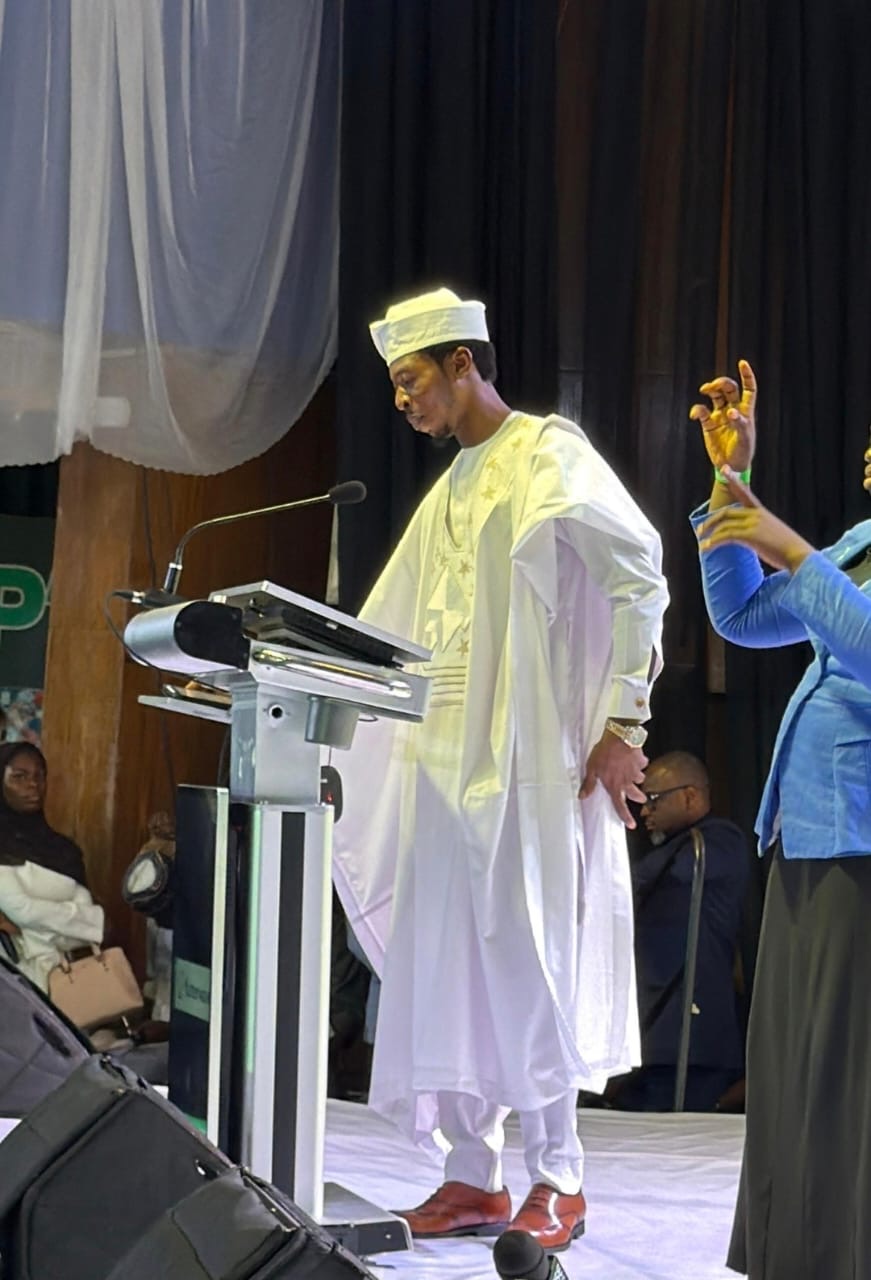
Nigeria’s housing deficit has surpassed 20 million units, according to a senior official of the Real Estate Developers Association of Nigeria (REDAN), who says rising construction costs, limited access to land and financing constraints are driving accommodation prices higher in Abuja and other major cities.
Amos Gbadewole, Vice Chairman of REDAN’s Federal Capital Territory chapter, said government intervention aimed at reducing building costs and improving access to finance could help ease pressure on the country’s housing market.
Speaking at a youth entrepreneurship event in Abuja, Gbadewole argued that the cost of key construction materials, including cement, steel reinforcement bars and aggregates, has significantly increased the cost of housing development, making affordable homes increasingly difficult to deliver.
“Nigeria is a capitalist economy, and the cost of inputs determines the cost of output,” he said. “We need government regulations and incentives that can help reduce the cost of building materials.”
The comments come as Nigeria continues to grapple with one of Africa’s largest housing shortages. With a population estimated at more than 250 million people, demand for housing has consistently outpaced supply, particularly in rapidly expanding urban centres such as Abuja and Lagos.
According to Gbadewole, developers face multiple challenges beyond construction costs. These include difficulties accessing affordable land, a shortage of skilled professionals and limited access to long-term financing needed for large-scale housing projects.
“Many developers do not have access to the capital required to acquire land and build estates,” he said.
Housing affordability has become a growing concern for many Nigerians amid elevated inflation and rising living costs. Developers have repeatedly argued that higher construction expenses are ultimately reflected in property prices and rental costs.
Gbadewole also backed ongoing efforts to introduce stronger regulation into Nigeria’s real estate sector. A bill currently before the National Assembly seeks to establish stricter licensing requirements for estate developers and realtors, a move supporters say could improve professionalism and investor protection.
According to him, the proposed legislation has passed first and second readings in both chambers of parliament and is awaiting further legislative consideration.
“If the law is passed, operators in the sector will need to be licensed, allowing regulators to identify legitimate developers and improve oversight,” he said.
The push for greater regulation comes as Nigeria’s real estate sector continues to attract new entrants despite concerns about fraudulent schemes, uncompleted projects and weak consumer protection in parts of the market.
Gbadewole also pointed to mortgage financing as a critical tool for expanding home ownership, citing initiatives by the Federal Mortgage Bank of Nigeria and Primary Mortgage Institutions aimed at improving access to housing finance.
Beyond housing policy, he encouraged young Nigerians to explore opportunities within the real estate industry, noting that careers in property marketing and brokerage often require relatively little start-up capital.
Reflecting on his own experience, he said he began his business journey after saving about ₦156,000 during his National Youth Service Corps year — equivalent to approximately $115 at current exchange rates.
While government-led housing initiatives continue, industry stakeholders argue that narrowing Nigeria’s housing gap will require sustained collaboration between policymakers, lenders and private developers if housing supply is to keep pace with the country’s growing urban population.