Follow Us on Google
•As CBN confirms 82 BDCs fully licensed under revised guidelines
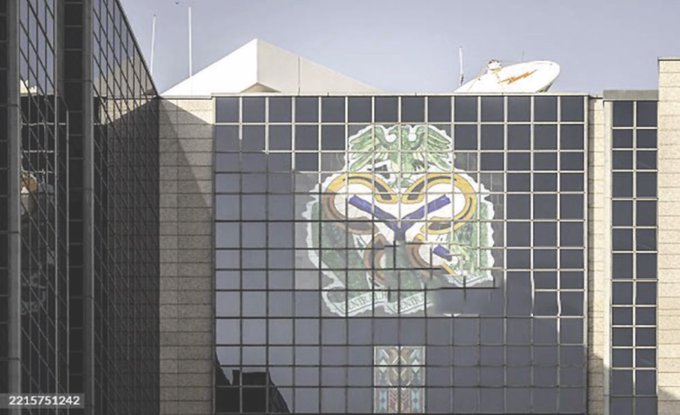
Nigeria’s external reserves have surged past the $45 billion mark, according to the latest data from the Central Bank of Nigeria (CBN).
This is one of the country’s strongest positions in six years from available records.
The reserves now stand at $45.04 billion, matching the last time they reached this level on July 23, 2019.
The milestone reflects a remarkable turnaround, as the nation has added nearly $5 billion to its reserves in just a few months, a notable achievement amid widespread declines in foreign exchange buffers across many developing economies.
“The steady accumulation of reserves indicates improving inflows and a more resilient external position,” analysts say, pointing to crude oil earnings, Eurobond-related inflows, and multilateral financing as likely contributors. Higher reserves provide the apex bank with greater leverage to intervene in the foreign exchange market if necessary, helping to stabilize the naira.
Careful analysis shows that the reserve buildup is not a temporary spike but a consistent trend reflecting improved forex conditions. November began with reserves at $43.26 billion, comfortably holding above the $43 billion mark. By November 18, reserves had risen to $44.05 billion, signalling stronger inflows and easing pressure on the foreign exchange market. The month closed at $44.67 billion, one of the highest month-end positions in recent times.
This momentum carried into December, with reserves maintaining the $44 billion range before crossing the $45 billion threshold on December 4, a psychological and economic milestone demonstrating robust forex liquidity.
A reserve level above $45 billion strengthens the CBN’s ability to manage foreign exchange pressures and enhances investor confidence.
Foreign portfolio investors closely monitor reserve levels as a barometer of a country’s external health. Surpassing $45 billion signals that Nigeria is better positioned to meet external obligations, finance imports, and withstand external shocks, potentially attracting more capital inflows into equities and fixed-income markets.
Other News
The steady rise from $43 billion in early November to $45 billion in early December suggests genuine improvement in inflows rather than a short-term spike.
Despite this positive trajectory, the naira faced renewed pressure last week, closing at N1,454/$1 on Friday. Rising festive-season demand from importers, retailers, and consumers contributed to heightened dollar demand ahead of Christmas and New Year activities.
The milestone for Nigeria’s reserves not only underscores the country’s improving external position but also reinforces its capacity to manage forex volatility as investor confidence strengthens.
Meanwhile, the Central Bank of Nigeria (CBN) has confirmed that 82 Bureaux de Change (BDCs) have been fully licensed to operate under the Bank’s revised Guidelines for Bureaux de Change Operations in Nigeria 2024. The licences, granted in accordance with the Banks and Other Financial Institutions Act (BOFIA) 2020, took effect on November 27, 2025.
In a public notice, the CBN stated that only BDCs listed on its official website ([www.cbn.gov.ng](http://www.cbn.gov.ng)) are authorised to operate and serve the general public. The Bank urged Nigerians to avoid engaging with unlicensed foreign exchange operators, warning that operating a BDC without a valid licence is a punishable offence under Section 57(1) of BOFIA.
The Bank further noted that it will continue to update the list of BDCs with valid operating licences, ensuring transparency and protecting the integrity of the foreign exchange market.
“The public is advised to verify the licences of any Bureaux de Change before transacting and to deal only with those authorised by the CBN,” the notice said.
The move comes as part of the CBN’s ongoing efforts to strengthen regulatory oversight, promote compliance, and safeguard consumers in the foreign exchange sector. By enforcing stricter licensing standards and making licence information publicly accessible, the Bank aims to reduce risks associated with unregulated currency operations and maintain stability in Nigeria’s FX market.
Members of the public are therefore urged to take note and ensure they transact only with licensed Bureaux de Change.