Follow Us on Google
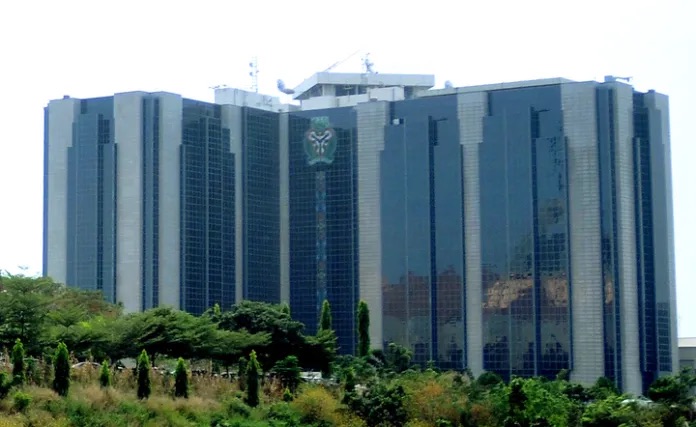
Nigeria’s external reserves have risen above $52 billion, exceeding the Central Bank of Nigeria’s (CBN) projected reserve target for 2026 and reaching their highest level in more than 17 years.
Latest data from the CBN showed that the country’s external reserves stood at $52.02 billion as of July 20, 2026, surpassing the apex bank’s full-year projection of about $51.04 billion. The reserve level is also the highest since January 2009, when reserves stood at about $52.01 billion.
The latest figure represents an increase of about $570 million from the $51.45 billion recorded at the end of June, reflecting sustained growth in the country’s external buffers.
The reserves have maintained an upward trajectory throughout July. They rose from $51.53 billion on July 3 to $51.58 billion on July 6, climbed to $51.64 billion on July 7 and $51.71 billion on July 8, before reaching $51.94 billion on July 17 and crossing the $52 billion mark on July 20.
The July performance follows strong gains recorded in June, when reserves increased from $49.58 billion at the end of May to $51.45 billion by month-end. Between June 1 and June 18 alone, reserves grew from $49.80 billion to $51.04 billion, while May recorded an increase of about $1.22 billion.
According to Nairametrics, analysts attributed the sustained rise in reserves to improved crude oil earnings, stronger export performance and increased foreign capital inflows.
Chief Executive Officer of Nisela Capital Limited, Dr. Jerry Igwilo, said higher international crude oil prices had boosted Nigeria’s foreign exchange earnings.
“We have seen that in the last couple of months, the prices of crude oil have gone up because of the Iran-US war. What that has done is that it has increased the amount of dollars we get for selling our crude oil.
Other News
“For Nigeria, the increase in foreign reserves means that we’re able to get in more revenue in foreign currency,” he said.
Also commenting, Chief Executive Officer of the Centre for the Promotion of Private Enterprise (CPPE), Dr. Muda Yusuf, said the growth in reserves reflects rising investor confidence and improved export earnings.
“It takes a lot of confidence in an economy for foreign inflows to come in, and of course, we have seen significant improvement in portfolio flows especially.
“In addition to that, our export performance has been improving. If you look at our trade data, you will see that increasingly, we have been in surplus for some time now,” Yusuf said.
The increase in reserves comes as the CBN retained its tight monetary policy stance at the conclusion of the Monetary Policy Committee meeting held on July 20 and 21.
The committee left the Monetary Policy Rate (MPR) unchanged at 26.5 per cent, retained the Cash Reserve Ratio (CRR) at 45 per cent for commercial banks and 16 per cent for merchant banks, while maintaining the standing facilities corridor at +50/-450 basis points around the MPR. The CRR on non-TSA public sector deposits also remained at 75 per cent.
The apex bank noted that headline inflation eased slightly to 15.91 per cent in June from 15.93 per cent in May, adding that the stronger reserve position would provide additional support for exchange rate stability and strengthen Nigeria’s external position.