Follow Us on Google

From Emmanuel Adeyemi, Lokoja
Former governorship candidate, Princess Grace Iye Adejoh, has said that Nigerians are still overwhelmed with hunger and depression rather than relief.
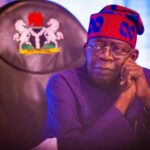
Princess Adejoh while appraising the three years administration of President Bola Tinubu said it was unfortunate that more Nigerians are dying daily of hunger and starvation as staple foods are out of reach of the masses while people die cheaply of treatable diseases because of lack of money.
Princess Adejoh also expressed worry over the spate of kidnappings and killings of Nigerians while the government watches the country being over run by bandits and terrorists, adding that Nigeria has never witnessed this kind of mayhem
In a statement made available to newsmen in Lokoja yesterday, Adejoh said if Nigeria must make real progress, both the leaders and citizens must embrace a different approach saying accountability must be demanded at every level, merit must be valued and patriotism must become more than a slogan.
The statement read in part: “Three years into President Bola Ahmed Tinubu’s administration, many Nigerians feel overwhelmed rather than relieved. This sentiment is not because the government has achieved nothing. Supporters of the administration point to the removal of fuel subsidy, local government autonomy, increased allocations to states, and major infrastructure projects such as the Lagos-Calabar Coastal Highway.
Other News
“However, many citizens remain dissatisfied because the areas that directly affect daily lives most —security and economic well-being—continue to pose serious challenges. Peace and security are the foundation of every successful society. Without them, meaningful development becomes difficult.
“The continued insecurity in parts of the country and recurring reports of kidnappings and attacks leave many Nigerians worried about the future. Particularly troubling is the fact that, in recent years, innocent schoolchildren have repeatedly found themselves in captivity at the hands of criminal groups. A nation cannot be at ease when its children are unsafe, for they represent its future.
“Yet Nigeria’s problems extend beyond any single administration. Our challenges did not begin with this government, nor will they end with it. Some of the roots can be traced to the colonial foundations of the Nigerian state and the divisions inherited from that era.
“What makes this particularly troubling is that Nigerians are not ignorant of the problems. We discuss them daily. We identify them in newspapers, on radio programmes, in markets, and on social media. The issue is not that solutions are unknown. The issue is that we often fail to apply them.
“Many citizens complain about corruption among leaders while tolerating or participating in corruption at lower levels. Too often, personal gain takes precedence over the common good. This mindset has helped create a system where merit is overlooked and public resources are treated as opportunities for private benefit.
Adejoh said that if Nigeria is to make real progress, both leaders and citizens must embrace a different approach, stressing that accountability must be demanded at every level, and merit must be valued. Patriotism must become more than a slogan.