Follow Us on Google
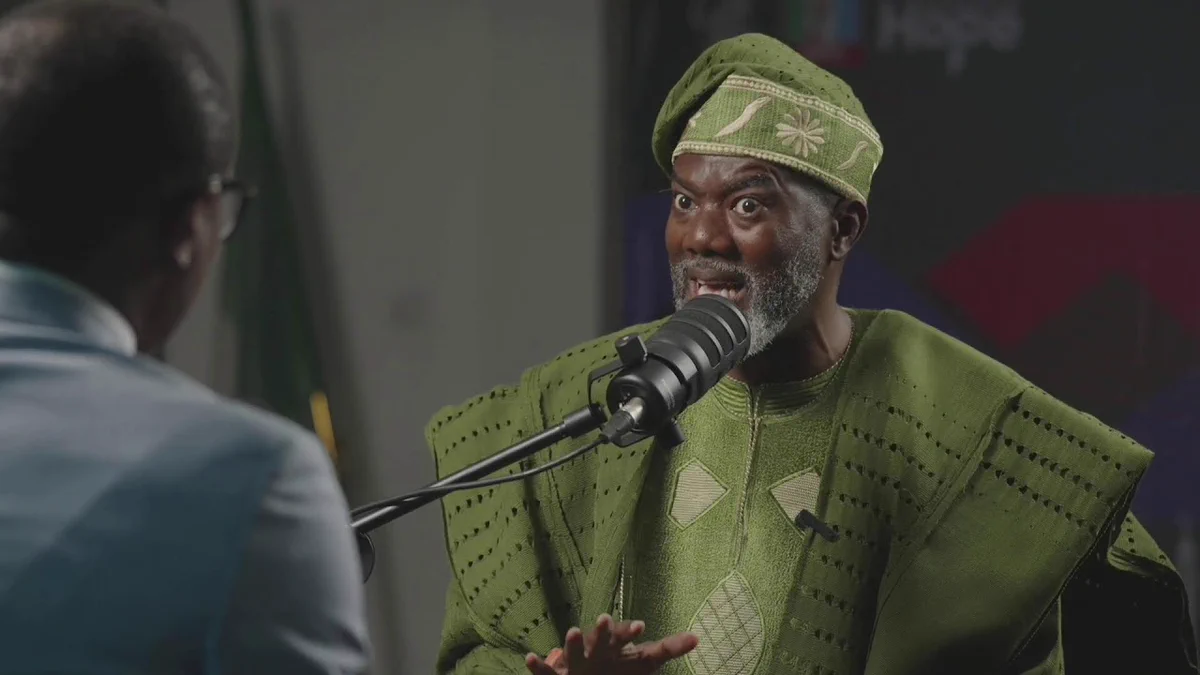
Nigeria’s Ambassador-designate to Mexico, Reno Omokri, has argued that an average Nigerian can survive on about ₦3,000 a day, saying poverty thresholds should be considered within the economic realities of individual countries.
Omokri made the claim on Sunday Politics, a television programme, while discussing the rising cost of living and the relevance of international poverty benchmarks to Nigerians.
He said he personally visited markets with a journalist, without security, to check the prices of basic food items including yam, rice, maize and fruits. According to him, his assessment showed that ₦3,000 could provide enough for an average Nigerian to live on for a day.
“I went there with one journalist, no security, and I stopped along the way, and I priced goods. I priced yam, I priced rice, I priced maize, I priced fruits. In Nigeria, people can live on that amount in a day.
“But in the United States, if you try to live on that amount in a day, it is poverty. So, you have to context, again, context matters.”
The ambassador-designate said the same amount would have a very different purchasing power in the United States because of differences in prices and living costs.
He therefore argued that international poverty measurements should be considered alongside the economic conditions of the countries where they are applied.
Omokri also discussed the World Bank’s global poverty benchmark, which he described as a measure based on living on less than $2 a day. He distinguished that benchmark from the practical cost of meeting basic needs within Nigeria.
Asked whether he disagreed with the World Bank’s poverty benchmark, Omokri said the institution was applying a global standard.
“The World Bank is using a global benchmark. And they’ve always used it?” he added.
His comments come amid continuing public debate over household purchasing power, food prices and the cost of living in Nigeria, with the discussion increasingly focused on whether international poverty thresholds adequately capture the day-to-day realities faced by Nigerians.