Follow Us on Google
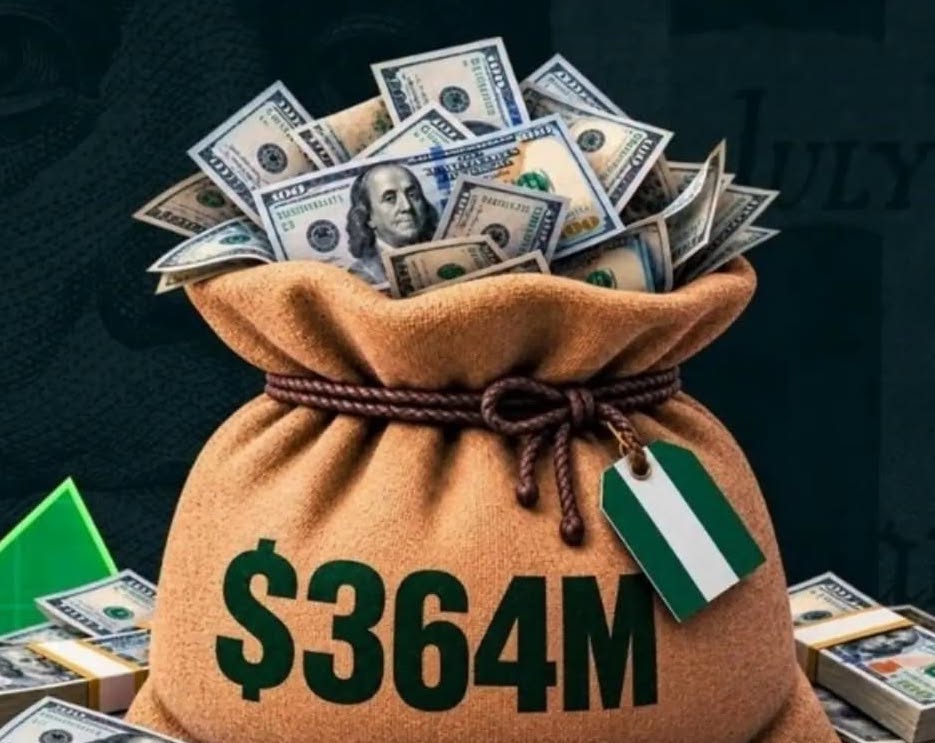
Nigeria’s startup ecosystem recorded a sharp rebound in August, with 20 startups raising a combined $364.1 million, a major jump from the $4.9 million raised by six startups in July.
The latest figures, compiled by Nairametrics Research, showed that August’s funding was also significantly higher than the $20.1 million raised by three startups in the same month last year.
The rebound was largely driven by a $250 million Series C funding secured by mobility and logistics technology company Moove, which accounted for nearly 69 per cent of the total funds raised during the month.
Moove’s latest funding round, backed by Mubadala Investment Company, Woven Capital and Ion Pacific, valued the company at about $2.1 billion.
The deal helped push total startup funding in August to $364.1 million, representing an increase of $359.2 million, or 7,330.6 per cent, from July’s $4.9 million.
Beyond Moove, Jumia and Yellow Card also recorded major transactions. Together, the three companies accounted for about $340 million, or more than 93 per cent of the total funding raised during the month.
Other News
Terra Industries, a Nigerian defence technology startup, also raised an additional $18 million, taking its seed funding round to $52 million.
Meanwhile, smaller startups continued to attract funding through grants and early-stage investments. Twelve startups received $100,000 each through grants backed by Co-Creation Hub and Mastercard, bringing the combined value of the grants to $1.2 million.
The funding cuts across sectors including logistics, fintech, deep technology, agriculture, healthcare, education and job placement.
The August performance suggests renewed investor interest in Nigerian startups despite persistent economic challenges, foreign exchange pressures and a tougher global venture capital market.
Analysts noted that even without Moove’s $250 million deal, Nigerian startups would have raised about $114.1 million in August, still well above the levels recorded in July and August 2025.
The strong performance therefore points to a broader recovery in Nigeria’s startup funding market, rather than growth driven solely by one mega-deal.