Follow Us on Google
By Remi Adedokun
A team of Nigerian researchers has produced the most detailed map to date of Noma, a devastating and often fatal disease, revealing that tens of thousands of cases have likely occurred across northern Nigeria over the past 25 years.
The study, led by Dr. John Adeoye from the University of Hong Kong (HKU) and Dr Ramat Oyebunmi Braimah from Usmanu Dan Fodiyo University, Sokoto, estimates that about 50,782 cases of Noma occurred between 1999 and 2024 across 296 local government areas in 12 northern states.
Other contributors to the study include Prof. Abdurrazaq Olanrewaju Taiwo, Dr. Seidu Bello, Dr. Mujtaba Bala, Dr. Bruno Oludare Ile-Ogedengbe, Dr. Abubakar Abdullahi Bello, Prof. Olawunmi Adedoyin Fatusi, Dr. Adetayo Oluwole Aborisade, and Prof. Azeez Butali.
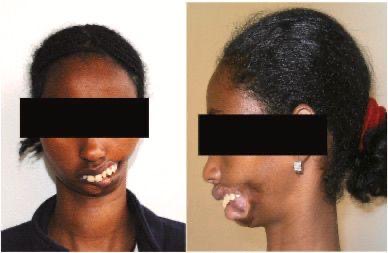
Noma is a rapidly progressing bacterial disease that destroys the mouth and face, primarily affecting children aged between two and six living in extreme poverty. If untreated, it has a fatality rate of up to 90 percent, while survivors often live with severe facial disfigurement, disability and long-term social stigma.
The research is grounded in clinical data collected within Nigeria, particularly from the Noma Children’s Hospital, the country’s only specialist treatment centre for the disease within the study period. The team analysed 911 confirmed cases treated at the hospital between 1999 and 2024 and applied advanced statistical modelling to estimate the broader burden across the region. This landmark study has been published in The Lancet Global Health (https://doi.org/10.1016/S2214-109X(26)00070-7).
Unlike previous studies that examined noma at national or state level, this research mapped the disease at the level of local government areas, which offers a far more precise understanding of its geographical distribution.
The findings show that 64 of the 296 areas studied, about one in five, have a significantly higher risk of Noma than the average risk of northern Nigeria. Many of these high-risk locations are concentrated in north-west Nigeria, particularly in Sokoto, Zamfara and Kebbi states.
Some of the highest incidence rates were recorded in Illela, Wamako, Goronyo and Tangaza in Sokoto State, as well as Bade in Yobe State, where the risk of Noma was several times higher than the regional average. The researchers also identified a cluster of 23 neighbouring high-risk areas in Sokoto and Zamfara, indicating that the disease is geographically concentrated rather than randomly distributed.
Other News
The study further found variations in incidence based on age, sex and time period. Children under the age of 10 were disproportionately affected, particularly those younger than five, while fewer high-risk areas were observed among adolescents and young adults. In some locations, differences in incidence between males and females were also evident. Urban areas were more likely to have lower incidence, pointing to disparities in access to healthcare and living conditions.
Researchers noted that more than 80 percent of estimated cases occurred between 2015 and 2024, compared with earlier years in the study period. They caution that this increase may reflect either a genuine rise in incidence or improved detection and reporting linked to growing awareness and intervention efforts.
The distribution of Noma appears closely tied to broader social and environmental conditions. High-risk areas often overlap with communities facing extreme poverty, malnutrition, limited access to healthcare, and in some cases, insecurity and displacement. Environmental pressures such as drought, flooding and food shortages are also likely to contribute to increased vulnerability.
The study was supported by funding from the University of Hong Kong Research Committee through a Research Output Prize, as well as the University of Hong Kong Knowledge Exchange Impact Projects Scheme, providing financial backing for the modelling and dissemination of the findings.
The authors say their findings provide an important basis for targeted public health interventions. The identified high-risk communities could help guide early detection efforts, antibiotic treatment, improved nutrition, and community health outreach.
They also suggest that interventions may need to extend to displaced populations and areas affected by insecurity, where vulnerability to the disease may be heightened.
While the estimates are based on modelling rather than complete national surveillance data, the study offers the most comprehensive picture currently available and introduces a framework that could be adapted in other countries where Noma remains underreported.
For a disease that has long remained largely invisible in global health discussions, the findings mark a significant step towards more effective targeting of prevention and early detection programmes in high-risk communities in Nigeria.