Follow Us on Google
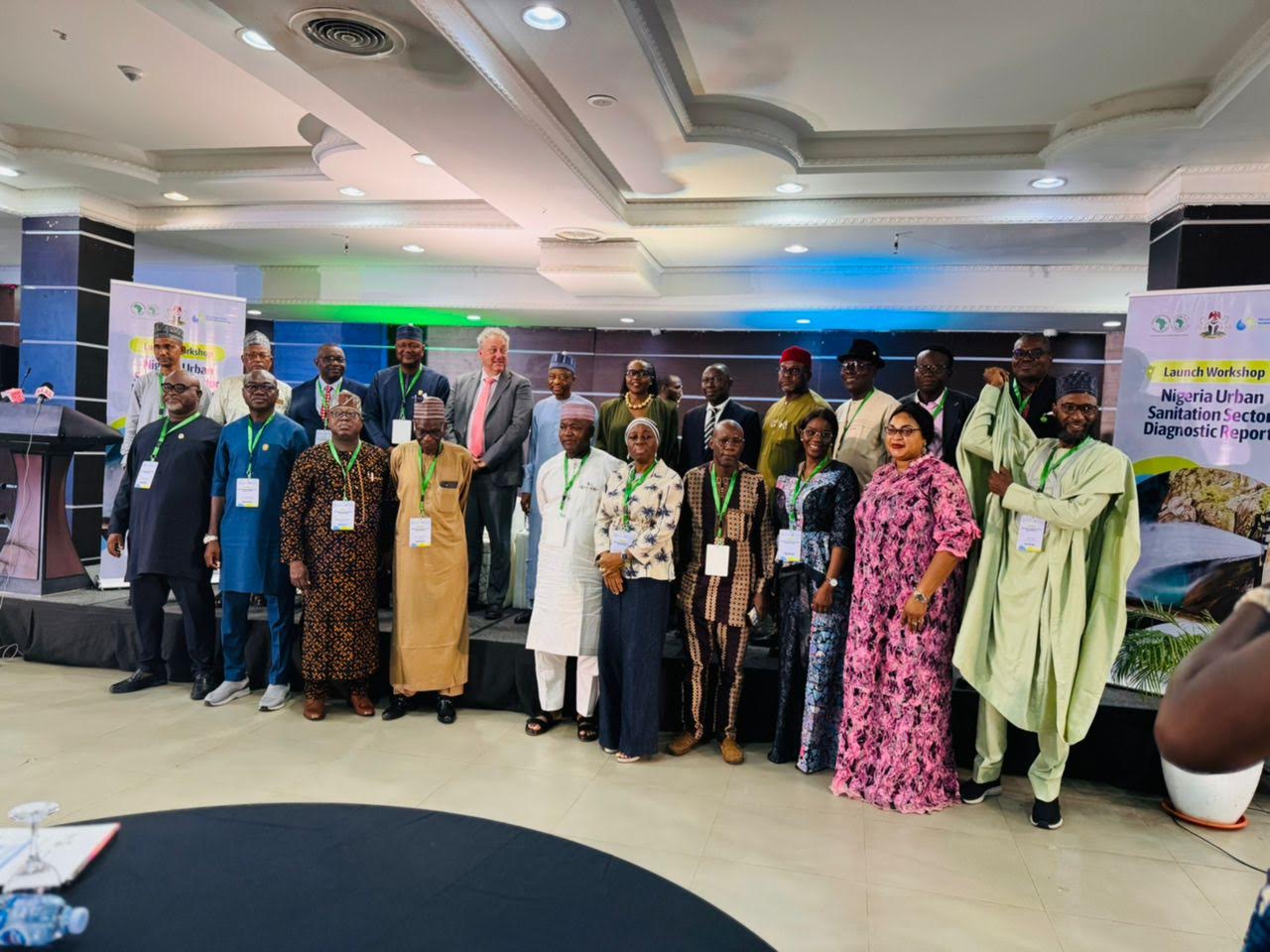
The federal government has unveiled a comprehensive diagnostic assessment aimed at overhauling Nigeria’s urban sanitation sector and attracting fresh investments to improve access to safe water and sanitation services across the country.
The report, presented in Abuja during the launch of the Institutional Finance Project Assessment and Nigeria’s Water and Sanitation Diagnostic Report, was developed with support from the African Development Bank (AfDB) and other development partners.
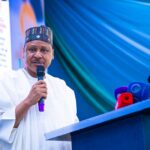
Representing the Minister of Water Resources and Sanitation, Joseph Utsev, the Acting Permanent Secretary, Ali Ibrahim Dallah, said the initiative would strengthen Nigeria’s ability to mobilise investment, improve public health and promote sustainable sanitation services.
Dallah commended the AfDB and its partners for supporting reforms in the water sector, stressing that stronger collaboration among government, development partners, financial institutions, the private sector and communities remained critical to transforming the sector.
He said increased investment would help tackle public health challenges, protect the environment, boost productivity, create jobs and stimulate greater private sector participation.
Presenting the diagnostic report, the ministry’s Director of Water Quality Control and Sanitation, Engr. Jamilu Danhabu, identified poor institutional coordination, inadequate financing, insufficient infrastructure and weak faecal sludge management as major obstacles to improving sanitation nationwide.
According to him, effective sanitation requires strengthening the entire service chain—from waste containment and collection to transportation, treatment, reuse and safe disposal.
Other News
Danhabu acknowledged government efforts through policy reforms and strategic partnerships but stressed the need to strengthen governance, expand sanitation coverage, improve hygiene practices and promote inclusive, city-wide sanitation services.
Speaking at the event, the Lead Operations Manager of the African Development Bank Nigeria Country Department, Orison Amu, described the report as “a roadmap for action” rather than merely a compilation of existing challenges.
He said achieving universal access to sanitation by 2030 under the United Nations Sustainable Development Goal 6 would require coordinated efforts by the Federal Government, states, development partners, financial institutions, communities and the private sector.
Amu noted that government alone could not solve the country’s sanitation challenges, calling for stronger private sector investment, improved access to finance and stronger institutions.
Also speaking, the AfDB’s Division Manager for Water Security and Sanitation, Jeanne-Astrid Ngako, said urban sanitation remained a national development priority that demanded urgent action, innovation and collaboration.
She noted that while sewer networks remained important, on-site sanitation systems would continue to play a vital role in serving underserved communities because they are more affordable and adaptable.
Ngako also called for innovative financing mechanisms to bridge investment gaps, adding that the success of the initiative would ultimately be measured by cleaner cities, healthier communities, protected water resources and a better quality of life for millions of Nigerians.