Follow Us on Google

From Adanna Nnamani, Abuja
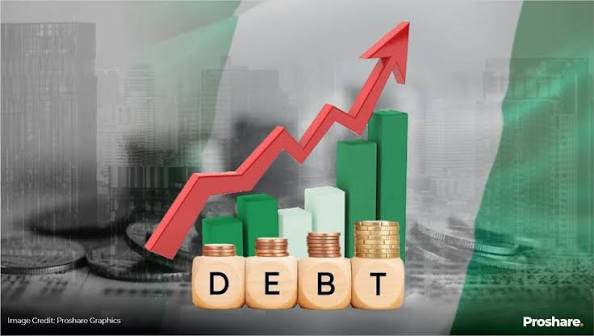
Nigeria’s external debt burden became more expensive to service in 2025, despite a decline in key debt ratios, as rising repayment costs continued to put pressure on the country’s finances, the World Bank has said.
The World Bank, in its International Debt Report 2026, disclosed that Nigeria’s debt-service-to-exports ratio increased by 9.6 per cent in 2025, while debt service as a share of Gross National Income (GNI) rose by 6.9 per cent.
The development came despite a 4.3 per cent decline in the country’s external debt-to-exports ratio and a 6.6 per cent reduction in its external debt-to-GNI ratio during the period.
The figures suggest that although Nigeria’s external debt became relatively smaller compared with its export earnings and national income, the cost of meeting repayment obligations increased.
According to the report, Nigeria’s total external debt stock stood at $145.02 billion as of December 2025, representing a 6.6 per cent increase from the previous year.
The figure comprises $62.4 billion in public and publicly guaranteed debt; $54.48 billion in private nonguaranteed debt and $28.14 billion in short-term obligations.
Other News
The report put Nigeria’s external debt-to-exports ratio at 212 per cent, while the debt-to-GNI ratio stood at 51 per cent. Debt service accounted for 19 per cent of exports and five per cent of GNI.
The World Bank warned that rising debt-service obligations were becoming a major challenge for developing economies, limiting the resources available for critical development needs.
Globally, debt-service payments by low- and middle-income countries reached $1.4 trillion in 2025, representing the fifth consecutive year of increases. Payments rose by 1.9 per cent, driven largely by obligations to private creditors, particularly international bondholders.
In the report’s foreword, the World Bank’s Chief Statistician, Haishan Fu, described the situation as a troubling paradox, with developing economies accessing more international financing but paying increasingly higher costs.
“Low- and middle-income countries are borrowing more, paying more, and, in many cases, leaving less for long-term development,” Fu said.
He warned that mounting repayment obligations were reducing the funds available for infrastructure, employment, education, healthcare and other development priorities.