Follow Us on Google


Former Lagos State Governor Babatunde Fashola has recounted how the murder of former Lagos governorship aspirant Funsho Williams exposed the dangers of political participation and influenced his approach to public service.
Williams was murdered at his Ikoyi residence in July 2006, an incident that left a lasting impression on Fashola as he prepared to enter the Lagos governorship race.
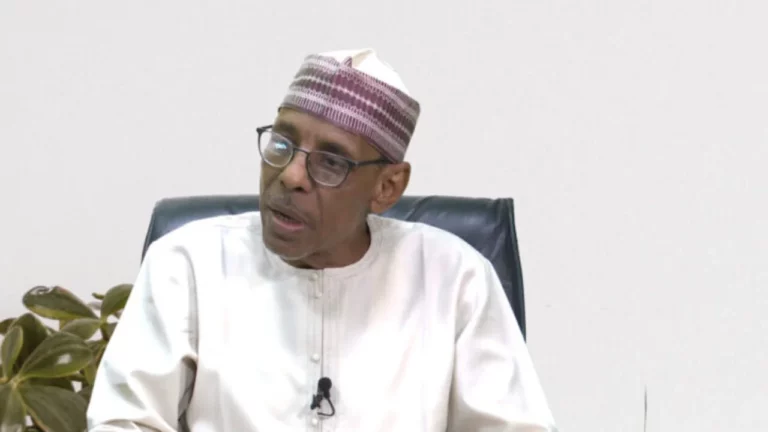
Speaking in an exclusive interview with ARISE News anchor Ojy Okpe, Fashola said the killing made him realise that pursuing political office could put his life at risk.
He explained that the incident did not discourage him from seeking the governorship, as he considered serving the country a cause worth making personal sacrifices for.
“It showed me that, for me, it was like, look, listen, if you’re doing this election thing, this is it. These are the odds. You can lose your life in the process,” he said.
Fashola added that his determination to participate in politics remained firm despite the risks.
“As I told friends of mine, for me, speaking for myself at the time, it was worth dying for, to serve the country,” he stated.
He said the experience strengthened his resolve to tackle political violence and establish law and order if given the opportunity to govern.
Other News
“My resolve was to then, from there, enthrone law and order, remove violence from our country,” he added.
The former governor highlighted some security measures introduced during his administration, including strengthening the Lagos State Rapid Response Squad, establishing the Lagos State Security Trust Fund and providing equipment and other resources to security agencies.
He also recalled introducing life insurance protection for security personnel exposed to dangerous assignments, noting the importance of supporting officers who risk their lives to protect others.
Fashola further discussed the failure to secure a conviction in Williams’ murder case, describing it as an indication of the need for stronger investigative and forensic capabilities in Nigeria.
He stressed that effective criminal investigations depended on the proper collection and preservation of evidence, including DNA samples, fingerprints, blood and other biological materials.
The former governor also expressed concern over the destruction of a DNA facility during a protest, arguing that damage to such infrastructure undermined efforts to improve criminal investigations and the justice system.
He called for better-trained investigators capable of handling complex cases and pursuing evidence even years after crimes had been committed.