Follow Us on Google
By Abel Leonard, Lafia
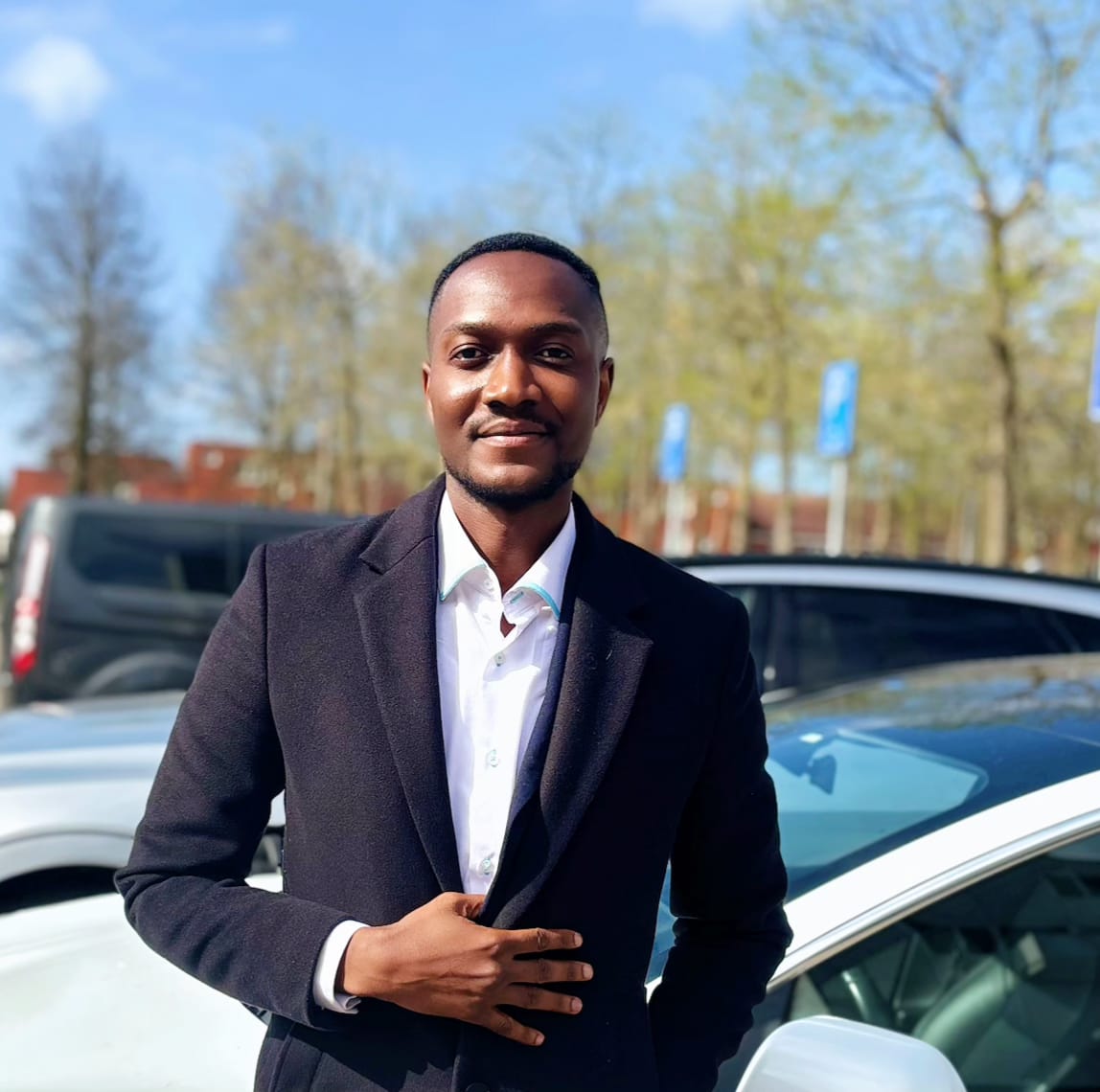
Nigerian deep-tech researcher Destiny Ogwuche has called on innovators, policymakers and investors to embrace bold, brilliant and science-driven innovation capable of tackling global challenges in energy, health, climate, and food security.
Ogwuche, a doctoral candidate in Business Administration at Golden Gate University, California, stressed that most consumer technology trends today amount to “new shades of the same smartphone,” while the real breakthroughs lie in deep-tech solutions rooted in scientific discovery and engineering innovation.
“In an era where most consumer tech innovations feel like new shades of the same smartphone, deep-tech is quietly rewriting the rules of what progress means. This is beyond the next delivery app or a fridge that sends you passive-aggressive notifications when you eat too much pizza,” Ogwuche said.
He explained that deep-tech ventures such as quantum computing, synthetic biology, advanced materials, clean-tech and advanced AI go beyond incremental tweaks, offering solutions to problems once thought unsolvable.
“The defining trait of deep-tech is its capacity to solve fundamental, global problems. This high barrier to entry is exactly what makes deep-tech both the riskiest and the most rewarding arena for innovation,” Ogwuche said, citing McKinsey’s analysis that deep-tech startups take longer to reach the market, but create more defensible intellectual property and durable competitive advantages.
He pointed to historical examples such as the post-war semiconductor boom, which transformed industrial productivity and CRISPR technology, which offers the potential to eliminate certain diseases. He added that game-changing breakthroughs like fusion energy depend on “scientific tenacity” and require collaboration between academia, government and industry.
Highlighting the importance of innovation ecosystems, Ogwuche said the Netherlands had built a model environment with world-class R&D facilities, strong university-industry ties, and efficient collaboration, while Nigeria, though still developing its deep-tech capacity, had immense potential due to resource diversity, emerging talent and necessity-driven ingenuity.
“Necessity has been history’s most underrated R&D department,” he remarked.
On funding, Ogwuche noted that traditional venture capital is often too impatient for deep-tech’s long timelines, but new models such as patient capital funds, corporate venture arms, and government co-investment are helping bridge the gap. He cited the European Innovation Council’s multibillion-euro commitments and the US DARPA model as proven approaches.
“In Africa, there is a rising class of investors willing to back scientifically ambitious projects, though often with smaller ticket sizes and greater expectations for frugality,” he said. “Some might call this ‘lean deep-tech’; others might call it ‘MacGyver with a PhD.’”
He warned that commercialisation remains a major challenge, with deep-tech startups often stuck in the “valley of death” between proof of concept and adoption due to regulatory, manufacturing and cultural hurdles.
Despite this, Ogwuche said the opportunities ahead are unprecedented, citing climate tech’s projected trillions in investment, AI-driven acceleration of R&D, cheap genome sequencing and expanding private space ambitions.
“The call for Nigeria’s innovators, policymakers, and investors is clear: stop paddling in the shallow end of the innovation pool. The deeper we go, the closer we get to the technologies that will define not just the next market cycle, but the next century.”
He added that despite “climate-resilient energy systems to AI-driven healthcare, deep-tech offers us the chance to leapfrog decades of incremental progress and claim our place in the global economy’s highest tiers. Betting on deep-tech should not be optional; it is the difference between shaping the future and importing it.
“And if, somewhere along the way, someone finally invents a fridge that doesn’t shame you, well, that too will be a public good. I am thinking of a malaria vaccine,” he said.