Follow Us on Google
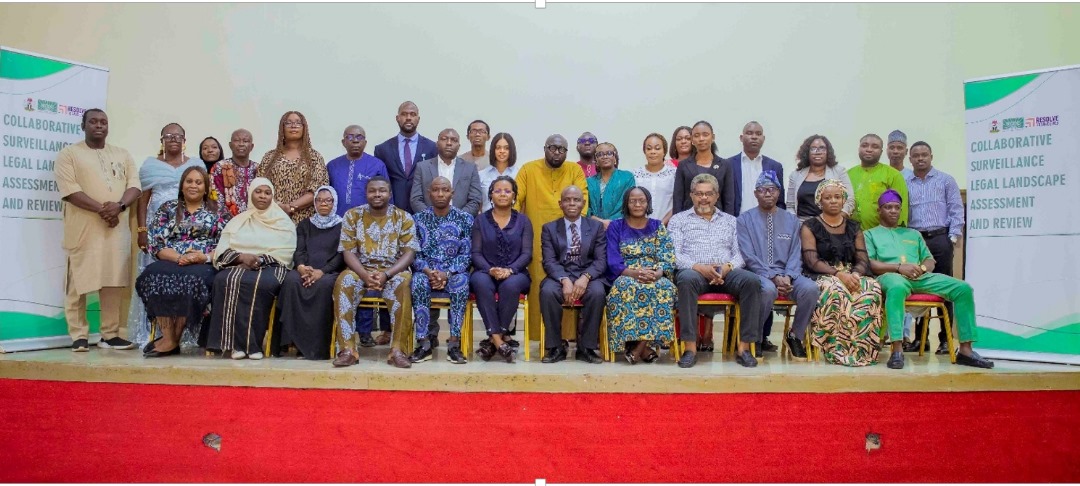
The Nigeria Centre for Disease Control and Prevention (NCDC), in collaboration with a global health organisation, Resolve to Save Lives (RTSL), convened a four-day stakeholder meeting to assess and review Nigeria’s legal and regulatory frameworks for public health data governance.
The meeting marks a foundational step towards building stronger collaborative surveillance systems and ensuring the timely and secure sharing of data to protect public health.
As emerging health threats bring to the fore the need for real-time information, Nigeria is working to establish a harmonised legal and institutional framework that supports effective public health surveillance across federal and subnational levels.
The workshop brought together key stakeholders from health-related ministries, departments, and agencies, including those responsible for legal affairs, ICT, surveillance, data protection and planning, to review existing laws and policies, identify gaps and barriers to data sharing, and propose pathways to strengthen collaboration.
Reflecting on the importance of the meeting, Legal Adviser at the NCDC, Safiya Musa, noted that strengthening legal instruments for data governance is essential to building resilience against outbreaks. “Legal instruments that support data governance are essential for effective epidemic preparedness and response. This workshop is an important step towards building a system that allows for timely sharing of surveillance data while protecting privacy and ensuring security,”.
On her part, the Senior Technical Advisor for Health Security and Event-Based Surveillance at Resolve to Save Lives, Dr. Rabi Usman, emphasised the life-saving value of coordinated data use. She said, “Clear legal frameworks that enable secure, timely, and coordinated multisectoral data sharing are critical for preventing epidemics and protecting lives. Data saves lives when it is shared and used effectively, and that’s why we are supporting the government to strengthen data governance as part of our collaborative surveillance initiative.”
Emem Udoh, Senior Legal Advisor Resolve to Save Lives, “Overcoming barriers to public health data sharing is critical to strengthening Nigeria’s surveillance system, and clear legal instruments are essential for ensuring this is done efficiently and ethically. This meeting offers stakeholders the chance to address challenges and agree on the most effective framework for collaborative surveillance.” (If you can, please use this quote as well, Trying to get keywords and mention for the two Resolve to Save Lives Staff. Thank you!).
Key outcomes from the meeting include a draft review of existing legal instruments, identification of gaps affecting interagency collaboration, and recommendations that will guide long-term reforms to Nigeria’s public health legal framework. These efforts are part of Nigeria’s broader health security agenda to ensure information drives action against future health threats.
About the Nigeria Centre for Disease Control and Prevention (NCDC)
The NCDC is Nigeria’s national public health institute, mandated to lead the preparedness, detection, and response to infectious disease outbreaks and other public health emergencies. The Centre also leads and coordinates Nigeria’s public health law reform agenda at national and subnational levels in collaboration with RTSL.
About Resolve to Save Lives (RTSL)
Resolve to Save Lives is a global health organization that partners locally and globally to create and scale solutions to the world’s deadliest health threats. Since 2017, RTSL has worked with governments and partners in more than 60 countries to save millions of lives. In Nigeria, RTSL works closely with the Government and partners at national and subnational levels to strengthen epidemic prevention and control and enhance cardiovascular health outcomes by controlling blood pressure and creating a healthier food environment.