Follow Us on Google
From Juliana Taiwo-Obalonye, Abuja
_____________________________________________________________________
President Bola Tinubu has reaffirmed Nigeria’s strategic readiness to partner with fellow African nations, international allies, and the private sector in delivering secure, affordable, cleaner, and inclusive energy, positioning the country as a pivotal player in the continent’s energy transformation.
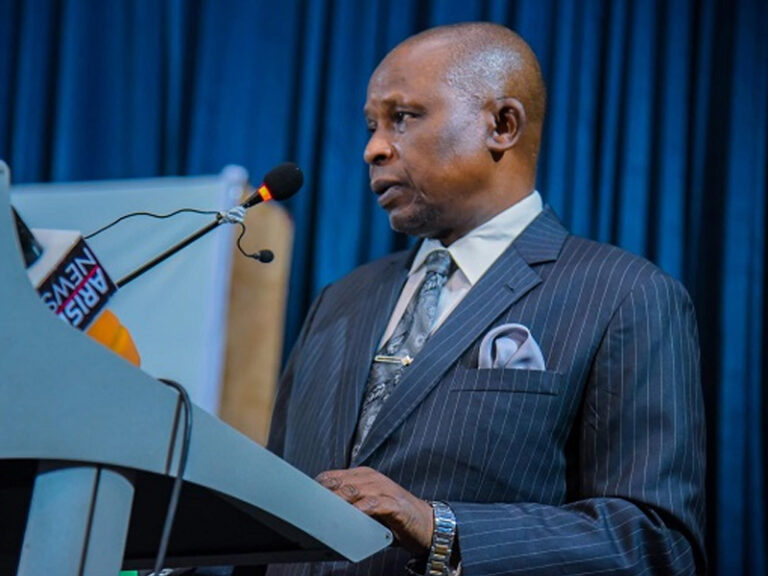
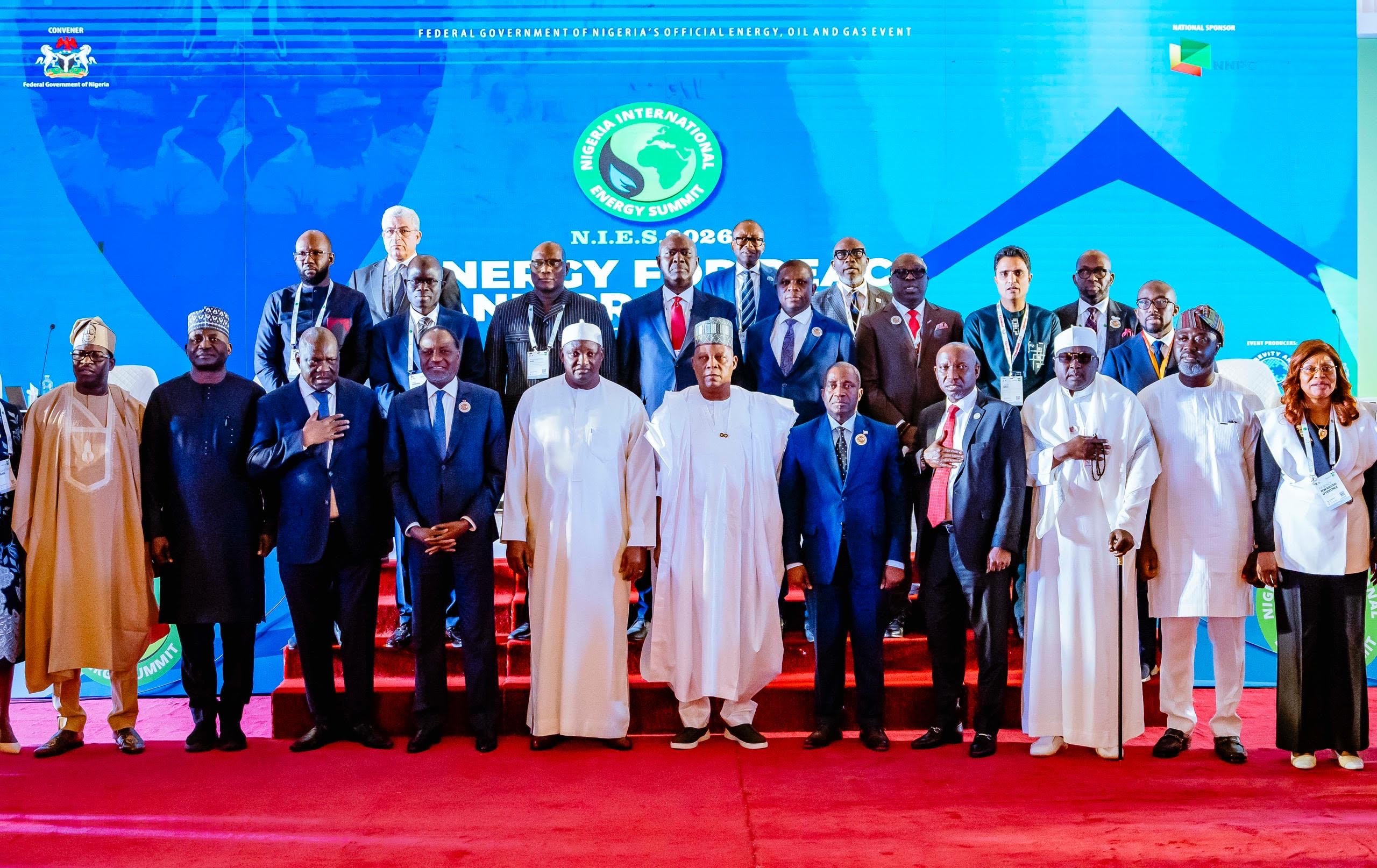
The declaration came during the official opening of the 9th Nigeria International Energy Summit on Tuesday in Abuja, a high-profile gathering attended by heads of delegations and senior government officials from across the globe, leaders of major international energy organisations, chief executives of multinational and indigenous energy companies, representatives from development finance institutions, and voices from host communities.
Represented by Vice President Kashim Shettima, President Tinubu underscored energy’s foundational role in global affairs, calling it “the invisible force holding the modern world together, as well as the quiet architecture of balance among nations, the unseen hand that steadies economies and sustains societies.”
Tinubu highlighted that energy remains “central to peace, prosperity, and global stability, unity among communities.” Under his administration, Nigeria is aggressively leveraging its abundant gas reserves as a bridge fuel toward sustainability while ramping up renewable energy capacity to meet growing demands.
“Energy must unite communities, stabilise economies, and secure futures. It must power factories, illuminate homes, fuel innovation, and build trust between government, investors, and citizens,” the president stated emphatically.
“Nigeria stands ready to collaborate with Africa, global partners, and the private sector to deliver energy that is secure, affordable, cleaner, and inclusive,” he declared, setting a collaborative tone for the summit.
Reflecting on challenges inherited in 2023, Tinubu noted the energy sector was “rich in potential” yet “constrained by inefficiencies, uncertainty, and prolonged underinvestment.” His government approached reforms with resolve, viewing energy not merely as “an economic commodity” but as “a catalyst for national security, industrial growth, social inclusion, and regional cooperation.”
The President assured full commitment to “building an energy system that delivers reliability, transparency, sustainability, and shared prosperity.” This vision has driven tangible progress: sustained and deepened implementation of the Petroleum Industry Act (PIA) as the “live wire of sector reform,” bolstering regulatory institutions for clearer roles, transparency, and investor confidence.
In the upstream sector, activity rebounded historically, with rig counts climbing from just eight in 2021 to 69 by late 2025, signalling renewed exploration and drilling. Final investment decisions (FIDs) surpassed eight billion United States dollars, including landmark offshore gas projects with global majors. Foreign direct investment flowed back strongly, fuelled by regulatory certainty, fiscal tweaks and improved operations.
Other News
A major win was the sharp decline in crude oil theft – a persistent drag on production and revenue – achieved through enhanced security coordination, surveillance, and enforcement. These measures restored operational stability and bolstered Nigeria’s reliability in global markets.
Tinubu spotlighted deliberate leadership appointments in key institutions to enforce professionalism and accountability. Early reforms, including fuel subsidy removal and foreign exchange liberalisation, reshaped sector economics despite requiring “national sacrifice.” “While these measures required national sacrifice, they laid the foundation for sustainability, fiscal resilience, and investor confidence. Industry stakeholders and independent experts have described these reforms as transformational, aligning Nigeria’s energy sector with global best practices,” he added.
Formally declaring the summit open, Tinubu implored delegates “to engage constructively, invest confidently, and partner purposefully with Nigeria,” framing the event as a launchpad for joint ventures.
The summit featured robust contributions from regional and domestic leaders. Gambian President Adama Barrow emphasised that “Nigeria’s policies have implications far beyond its borders,” insisting “working together through strategic partnerships is key to regional solutions and energy security.”
Equatorial Guinea’s President Teodoro Obiang Nguema Mbasogo called for Africa to “cease to be merely an exporter of raw materials and focus on processing them for the betterment of future generations.”
Senate President Godswill Akpabio asserted that “in Africa, energy is not just about resources but about inclusive and sustainable prosperity.” He pledged the National Assembly’s readiness “to work with relevant stakeholders through legislative backing,” noting that “when the energy system works, the economy grows more resilient.”
Minister of State for Petroleum Resources (Oil), Heineken Lokpobiri, described the summit as “a call to action to make energy a champion for advancement” and commended Dangote Refinery, BUA, and other refiners for their “significant investments in Nigeria’s energy sector.”
Minister of State for Petroleum Resources (Gas), Ekperikpe Ekpo, stressed that “collaboration is essential in building a reliable energy system,” while President Tinubu’s Renewed Hope Agenda positions gas as “a cornerstone of Nigeria’s energy security.” He assured ongoing efforts to strengthen oil and gas stability, support regional integration, and build on recent gains.
Representing the Independent Petroleum Producers Group (IPPG), Aradel Holdings Plc’s MD/CEO, Adegbite Falade, reported significant gas production growth since 2025, with indigenous producers thriving due to “requisite reforms and executive orders” that increased local ownership under Tinubu’s leadership.
NNPC Ltd. Group Chief Executive Officer Bayo Ojulari declared, “Africa is at a turning point in the energy sector,” positioning Nigeria to lead with its over 37 billion barrels of oil potential, emerging as a “global energy powerhouse.”