Follow Us on Google
-
NiMet DG calls for innovation and collaboration in disaster preparedness
From Sola Ojo, Abuja
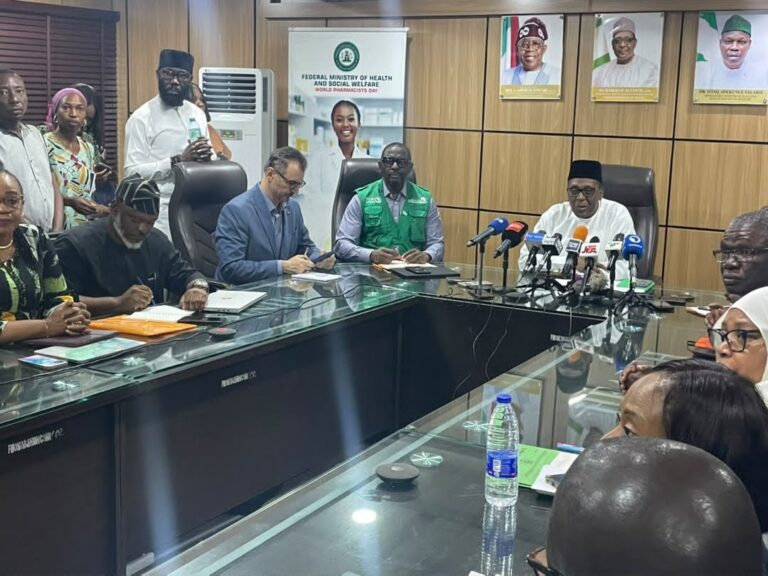
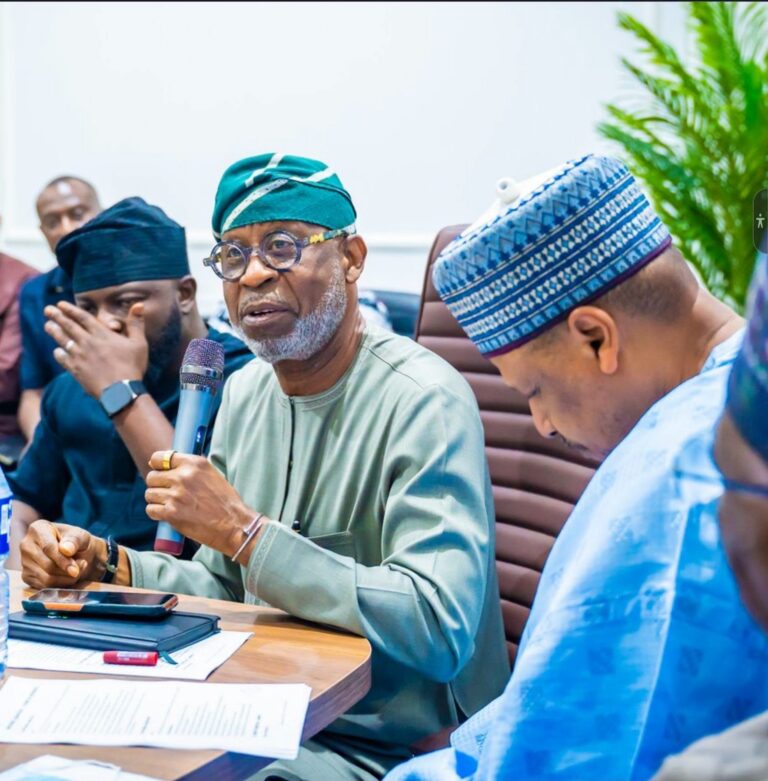
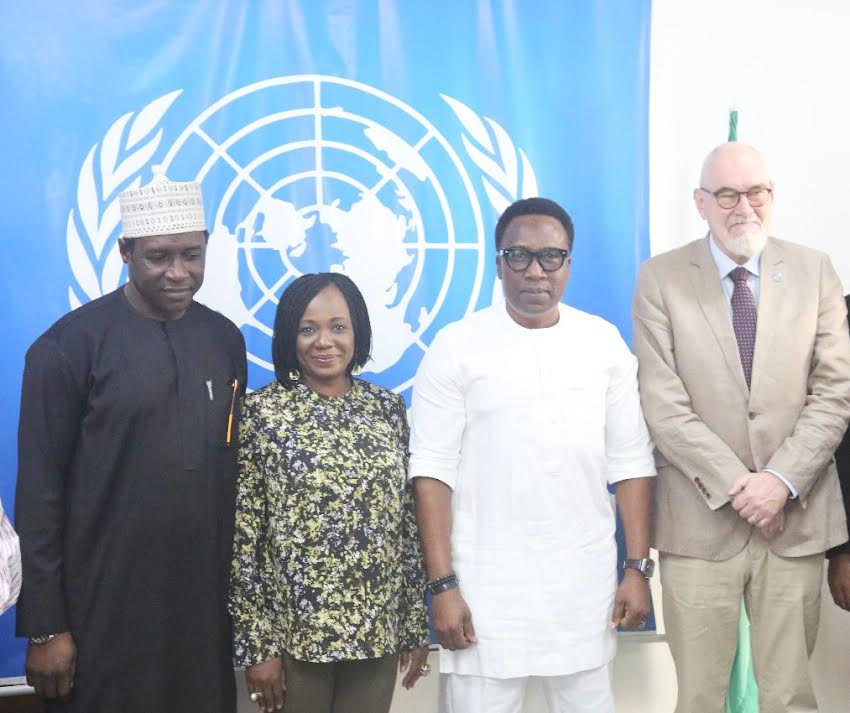
The Director General and Chief Executive Officer of the Nigerian Meteorological Agency (NiMet), Prof. Charles Anosike, joined other participants from the Nigeria Hydrological Services Agency (NIHSA), National Emergency Management Agency (NEMA), and the Office of the Vice President at a one-day Roundtable Meeting on Anticipatory Action Framework for Nigeria.
The meeting, organised by the Office of the Vice President of the Federal Republic of Nigeria, Kashim Shettima, in collaboration with the United Nations Office for the Coordination of Humanitarian Affairs (UNOCHA), aimed to develop a unified approach and framework for anticipatory action in Nigeria.
It also explored innovative, multidimensional strategies for implementing effective prevention and mitigation measures while facilitating the exchange of best practices and lessons learned among the participating organisations.
Welcoming participants to the meeting, Vice President Kashim Shettima, represented by Senator Ibrahim Hassan Hadejia, Deputy Chief of Staff to the President, described the initiative as timely. He noted that President Bola Ahmed Tinubu had directed a more systematic, collaborative, and strategic approach to coordinating humanitarian efforts in the country.
Trond Jensen, Head of Office for the United Nations Office for the Coordination of Humanitarian Affairs (OCHA) in Nigeria, highlighted the significance of the gathering.
“We are committed to fostering stronger collaboration with our Nigerian partners in government, civil society, and international organisations. Our collaboration is for our mutual benefit and for the benefit of Nigerians who need humanitarian assistance,” Jensen said.
Other News
Prof. Anosike, addressing the audience, emphasised the need for a collaborative and innovative approach to tackle challenges effectively.
*”We can only address these challenges by working together—at the federal level, at the state level, and even at the local government level. Collaboration and learning from one another are essential.
“So, I’m very pleased that we are all here today to discuss how we can work together to promote anticipatory action. In my view, innovation must be an integral part of humanitarian work. Every day, we must ask ourselves: how do we better meet the needs of people affected by conflict or disasters?”*
He further explained the significance of national preparedness documents.
“Two national documents form the foundation of disaster response in Nigeria: NiMet’s Seasonal Climate Prediction (SCP), released early each year, and NIHSA’s flood outlook, which builds on the SCP. These documents are critical for national preparedness and help ensure communities are ready to respond to climate disasters.”
Prof. Anosike also highlighted the need to disseminate climate information widely.
“After the unveiling of the Seasonal Climate Prediction, we must visit different zones to downscale the information and produce crop calendars for farmers. We must find ways to ensure these products and information reach the people who need them most,” he added.