Follow Us on Google
From Uche Usim, Washington DC
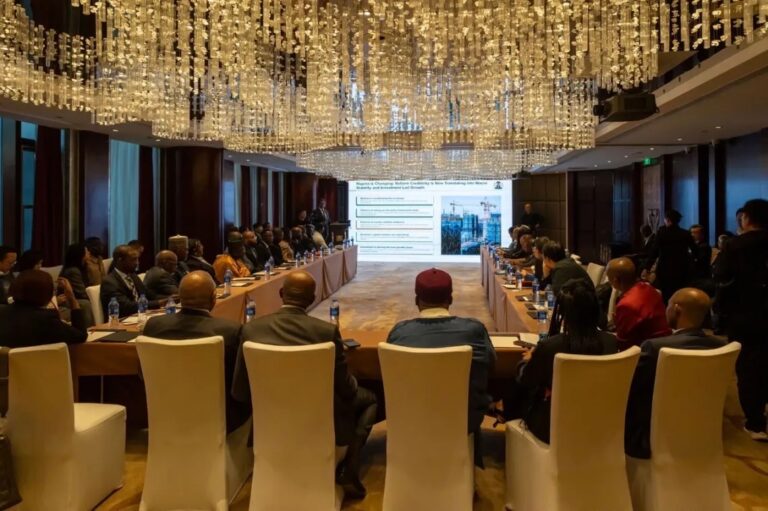
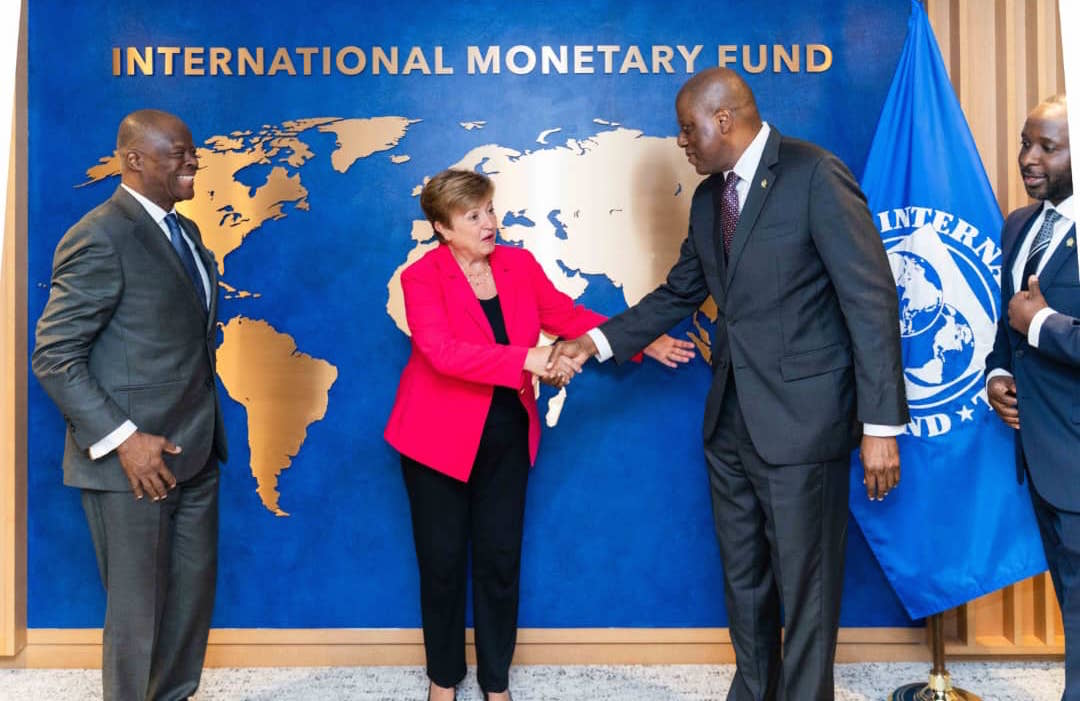
Nigeria returned from the 2025 Annual Meetings of the International Monetary Fund (IMF) and World Bank Group, held between October 13-18, on a high note as international partners praised its reform momentum and economic stability.
At a media briefing held at the weekend in Washington DC, the Central Bank of Nigeria (CBN) Governor, Olayemi Cardoso, who doubled as the leader of the Nigerian delegation, described the week as “a defining moment” for Nigeria, highlighting both domestic achievements and rising global influence.
“This week has been an opportunity to showcase the tangible progress of our reform agenda and reaffirm our commitment to macroeconomic stability, fiscal discipline and inclusive growth,” Cardoso said, just as he acknowledged the collaborative efforts of fiscal authorities led by Minister of State for Finance, Dr. Doris Uzoka-Anite.
A key highlight of the meetings was Nigeria’s upcoming Chairmanship of the Intergovernmental Group of Twenty-Four (G-24), a body that coordinates positions of developing countries on global monetary and development issues.
“Succeeding Argentina, Nigeria will assume office on November 1, unveiling an ambitious agenda that reflects the priorities of developing nations,” Cardoso announced.
The Nigerian delegation’s engagements extended to the IMF, World Bank, International Finance Corporation, rating agencies, and global investors. “There is broad recognition that Nigeria’s reforms are delivering results: inflation is moderating, the exchange rate has stabilised, and investor confidence is returning,” he said.
Recent data from the National Bureau of Statistics confirms the trend, showing headline inflation fell to 18.02 percent in September, the lowest in three years, from 20.12 percent in August. Core and food inflation also eased.
“These outcomes reflect disciplined monetary tightening, exchange rate unification, and improved market transparency,” Cardoso explained.
Other News
He added that foreign reserves now exceed US$43 billion, providing more than eleven months of forward import cover, supported by renewed investor participation across asset classes.
Fiscal reforms were also highlighted. The removal of fuel subsidies, expenditure rationalisation and increased revenue from non-oil sectors have created space for critical investments in infrastructure, education, and healthcare. Cardoso emphasised that these efforts have enabled Nigeria to attract over US$8 billion in new energy investments and reduce insecurity in oil-producing regions.
“Bold reforms undertaken over the last two years have set a foundation for the next phase of our economic agenda,” he said, even as he highlighted the government’s focus on inclusive growth and job creation.
Monetary policy, too, has returned to orthodoxy. Using tools such as the Monetary Policy Rate, Cash Reserve Requirement, and Liquidity Ratio, the CBN has anchored expectations and strengthened liquidity management. “Advanced analytics and AI are being leveraged to enhance policy forecasting and improve transmission, ensuring our decisions are data-driven and forward-looking,” Cardoso noted.
Financial system stability remains central, with ongoing bank recapitalization efforts bolstering resilience and global competitiveness. Reforms in the foreign exchange market have improved transparency and efficiency, contributing to the ongoing disinflation trend and stable exchange rates.
Beyond traditional policy work, Nigeria actively engaged the private sector, including fintech leaders, under the theme “Shaping the Future of Fintech in Nigeria: Innovation, Inclusion, and Integrity.” Cardoso said, “Innovation and regulation must progress together, anchored in trust and responsible growth. Our fintechs are ambassadors of Nigeria’s creativity and global relevance.”
The week also included strategic partnerships with other central banks, including the signing of a Memorandum of Understanding with the Central Bank of Angola, aimed at strengthening regional economic ties.
Cardoso concluded on a confident note: “We return home encouraged by the confidence reaffirmed in our mission, determined to sustain this trajectory of stability, discipline, and shared prosperity. Our story is one of resilience: a nation aligning courage with conviction to build a more competitive, innovative, and inclusive economy.”