Follow Us on Google
From Juliana Taiwo-Obalonye, New York
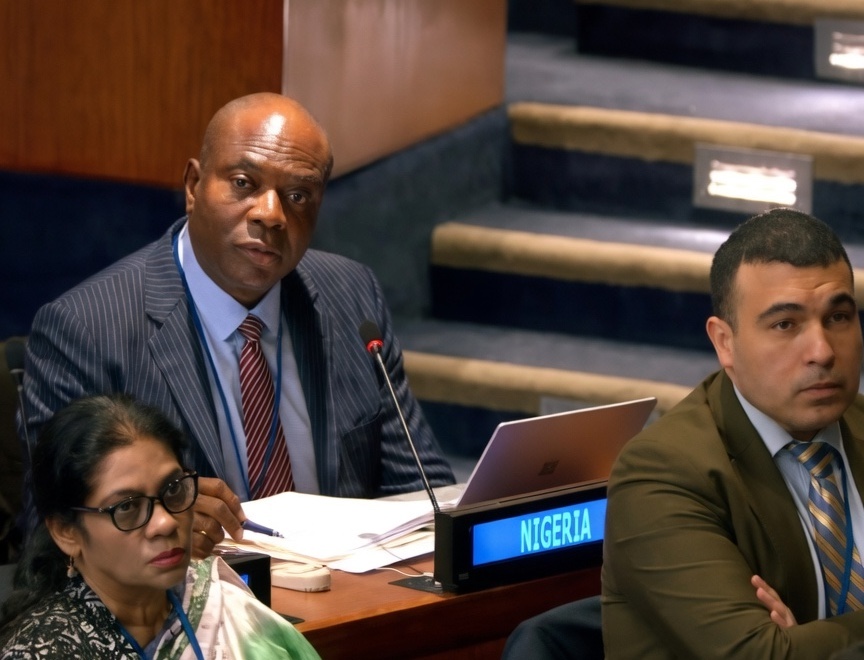
Nigeria has distanced itself from “controversial concepts and terminologies” in the outcome document of the 70th session of the Commission on the Status of Women (CSW70).
Led by the Chargé d’Affaires at Nigeria’s Permanent Mission to the UN, Ambassador Syndoph Endoni, the delegation raised sharp objections to both the document’s language and its adoption process.
“Nigeria does not align with the introduction of new or expanded terminology that may give rise to controversial interpretations,” Endoni said.
Such phrasing, they warned, could “create obligations beyond those contained in globally agreed frameworks” and spark sovereignty issues in sensitive policy areas.
“The current formulation of the text raises concerns regarding the preservation of national sovereignty,” Nigeria stated in its Explanation of Position.
The delegation specifically rejected terms like “multiple and intersecting forms of discrimination”, “universal access to sexual and reproductive health”, “gender stereotypes”, “all forms of discrimination”, and “diverse situations, contexts and conditions”. It also opposed “gender-responsive” budgeting in justice systems.
Other News
“The interpretation and application of terms must remain consistent with national laws, cultural and religious values,” the delegation stated. These must “reflect the understanding of the natural gender categories of male and female”.
Nigeria further criticised the adoption process itself. Unlike past sessions, where CSW “Agreed Conclusions”—a key policy document on gender equality—were approved by consensus, CSW70’s version was passed by vote (37 in favour, one against, six abstentions).
“The manner in which the CSW70 outcome document was adopted raises concerns regarding the legitimacy and integrity of the process,” the Nigerian delegation said. This deviated from multilateral norms, they argued.
Despite the reservations, Endoni explained that Nigeria voted in favour to salvage the document’s value. “This conviction also led to Nigeria voting in favour of the Agreed Conclusions,” the delegation said.
Nigeria backed the overall outcome to uphold its women’s empowerment goals without derailing progress, reaffirming constructive UN engagement.
“Nigeria remains committed to constructive engagement in a manner that respects national contexts and internationally agreed frameworks,” Endoni stressed.