Follow Us on Google

- 3,526 PHCs revitalised, 24m Nigerians enrolled in health insurance
The Federal Government has acknowledged persistent challenges in Nigeria’s healthcare delivery system despite recording progress in primary healthcare, maternal and child health, immunisation, health insurance and domestic health financing.
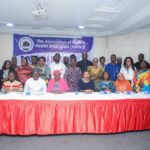
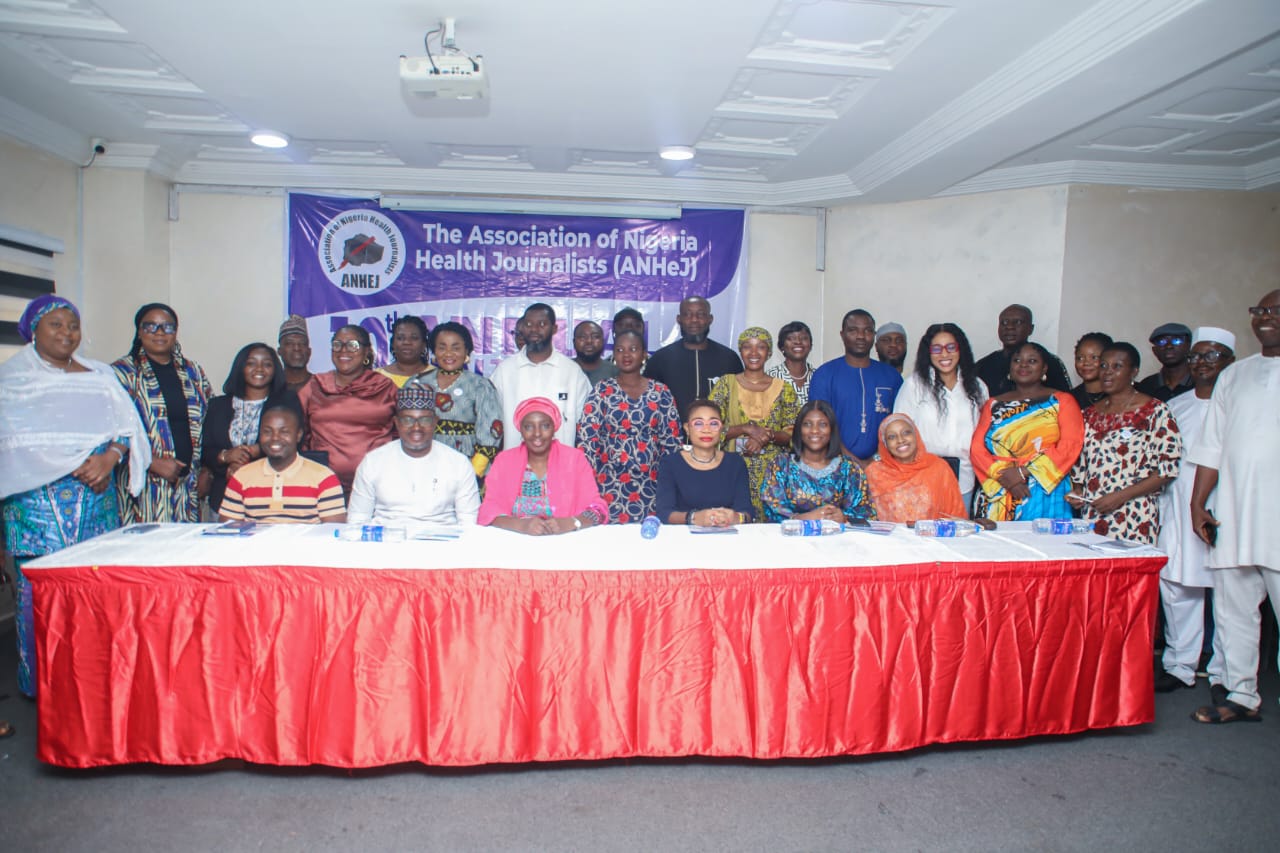
The Permanent Secretary, Federal Ministry of Health and Social Welfare, Daju Kachollom, disclosed this at the 10th Annual Conference of the Association of Nigeria Health Journalists (ANHeJ), held in Abuja on Thursday.
Speaking on the theme, “Nigeria Health Sector Renewal Investment Initiative (NHSRII): From Policy to Tangible Impact,” Kachollom said all 41 presidential health-sector commitments had been achieved, while 12 of the 13 tracked health indicators recorded improvements.
She disclosed that 3,526 primary healthcare centres had been revitalised, with another 900 undergoing the process.
According to her, skilled deliveries in participating health facilities increased from 4.8 million in 2023 to 7.9 million by mid-2026, while maternal and newborn deaths declined by 17 per cent and 12 per cent respectively in 172 high-burden local government areas between 2023 and 2025.
She added that measles and rubella vaccination had reached 100 million children, while more than 17 million girls had received the Human Papillomavirus (HPV) vaccine.
Health insurance enrolment, she said, had increased from approximately 16 million to nearly 24 million Nigerians, while combined state health budgets rose from N1.97 trillion in 2023 to over N3.3 trillion in 2026.
Despite these improvements, the Permanent Secretary identified childhood stunting, high healthcare costs, inadequate distribution of health workers and low health insurance coverage as major obstacles requiring urgent attention.
She urged journalists to move beyond reporting government announcements to independently verifying claims, monitoring policy implementation and investigating the actual impact of health investments on Nigerians.
Earlier, ANHeJ President, Joseph Kadiri, pledged the association’s commitment to strengthening accountability by tracking public investments, monitoring health policies and reporting their impact on citizens.
Kadiri offered the association’s partnership to the Basic Health Care Provision Fund gateways and the Ministerial Oversight Committee, including field visits to states to document progress and identify implementation gaps.
Similarly, Corporate Accountability and Public Participation Africa (CAPPA) raised concerns over weak enforcement of tobacco control laws, warning that children and young people were increasingly exposed to vaping products, nicotine pouches and other emerging nicotine products.
CAPPA’s Policy and Legal Officer, Shade Osi, said although Nigeria enacted the National Tobacco Control Act in 2015 and introduced implementing regulations in 2019, poor enforcement and regulatory gaps were undermining efforts to protect public health.
On pharmaceutical safety, the National Agency for Food and Drug Administration and Control (NAFDAC) announced plans to establish coordinated wholesale centres in Lagos and Anambra states to strengthen oversight of medicine distribution and tackle fake and substandard products.
A representative of the agency, Musa Godiya, also disclosed that enforcement of the ban on sachet alcohol had entered its second phase, targeting markets, streets and retail outlets.
Meanwhile, the Institute of Human Virology Nigeria (IHVN) identified high transportation and diagnostic costs, inadequate screening facilities and limited community outreach as major barriers preventing Nigerian women from accessing early cancer detection services.
IHVN’s Programme Manager and Oncology Lead, Dr. Victoria Igbinomwanhia, advocated decentralising screening services to primary healthcare centres and integrating cancer prevention into existing healthcare platforms.
Also speaking, the Africa Health Budget Network (AHBN) urged state governments to establish dedicated budget lines for adolescent health, citing Kano State’s N100 million allocation in 2025 as a model.
The organisation’s Systems Strengthening Lead, Khadija Hamid Bobboyi, also called for the timely release of approved family planning funds and stronger accountability for health sector investments.