Follow Us on Google

Niger State Governor Umaru Bago has expressed frustration over the limits of his authority in dealing with security agencies and the mining crisis in the state, saying he has little control over federal detention facilities.
Bago made the remarks during an interview on Channels Television’s Sunday Politics while speaking about the deaths of 37 suspected illegal miners in NSCDC custody.
The governor said the state government was not informed before the suspected miners were arrested and detained following anti-illegal mining operations in the M.I. Wushishi and Lukoto areas of the state.
Bago said the security agencies involved in the arrests were under federal control, limiting the state’s ability to intervene directly.
“I am just chief security of the state by mouth,” he said.
The governor added: “I cannot take an oath for what I cannot control.”
According to Bago, the Department of State Services (DSS) and police were investigating the incident, while the state government had limited control over detention centres.
“We don’t have much control over detention centres,” he said.
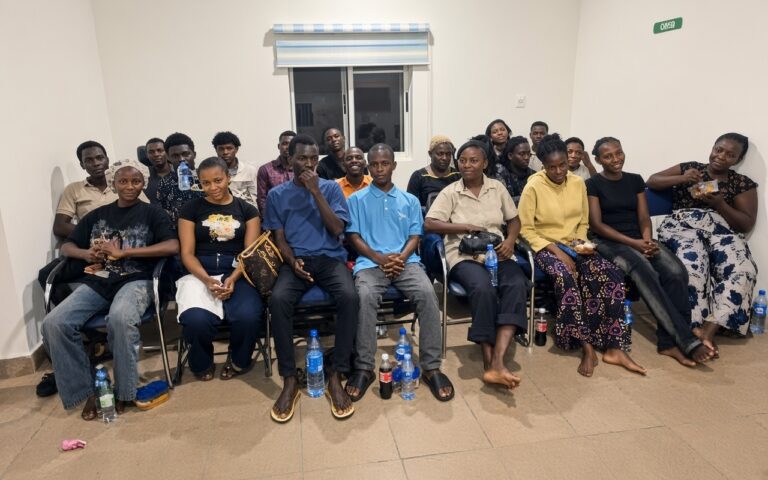
The governor said 67 artisanal and suspected illegal miners were detained, with 37 later dying in custody. The exact cause of death remains under investigation, with overcrowding and possible exposure to hazardous substances among the factors being examined.
Other News
Bago also described what he saw after the deaths.
“I saw a lot of corpses on the floor,” he said, adding that some of those who died were not miners.
He further claimed that the location where the arrests took place was not a licensed mining site but a housing estate.
The deaths have triggered multiple investigations. The Federal Government has suspended the Niger State NSCDC Commandant, Suberu Aniviye, and 20 other officers pending the outcome of an independent inquiry.
The Interior Minister, Olubunmi Tunji-Ojo, has also established a 10-member committee to examine the arrests, detention, identities of the deceased and circumstances surrounding their deaths.
Beyond the deaths in custody, Bago said the mining crisis had exposed wider challenges in the state, including the movement of residents away from farming and the increasing involvement of children in artisanal mining.
He called for stronger federal action, including an executive order banning mining in locations where the activity had become particularly problematic.
“But these people, because they have tasted the mining money, they cannot leave that side. We need decisive action,” Bago said.
He maintained that the state’s ability to address the problem was constrained without stronger intervention from federal authorities responsible for mining regulation and the security agencies operating in the state.