Follow Us on Google
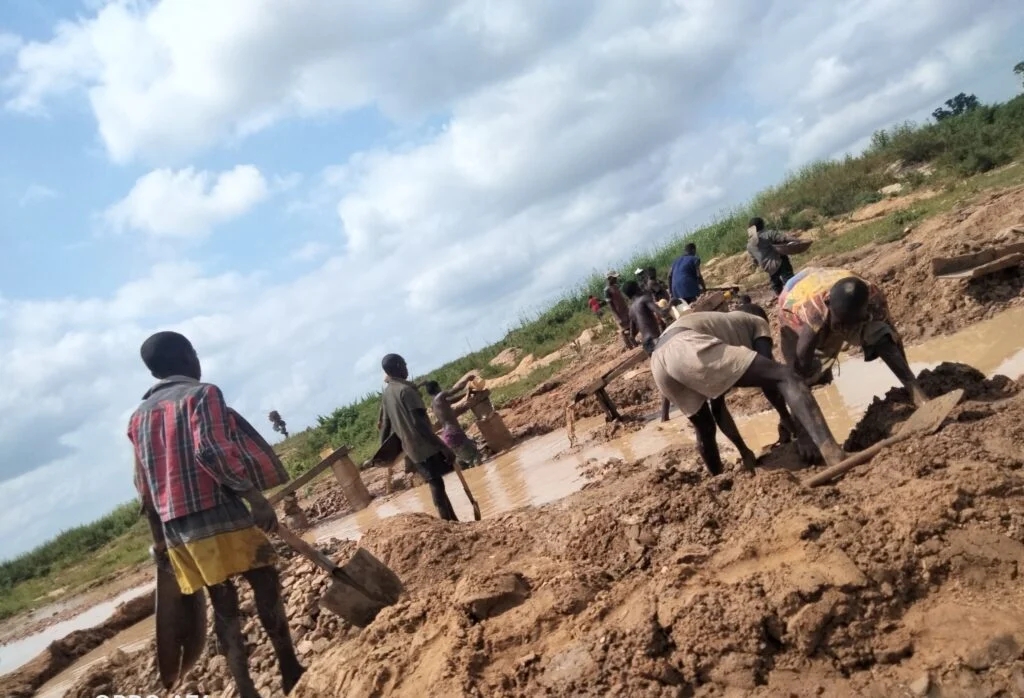
Niger State Governor Umaru Bago has raised concerns over the growing involvement of children in artisanal mining, warning that the practice is taking young people away from classrooms.
Bago spoke during an interview on Channels Television’s Sunday Politics while discussing the mining crisis in the state and the deaths of 37 suspected illegal miners in NSCDC custody.
The governor said gold mining had become deeply established in some communities, making it difficult to persuade residents who had become dependent on its financial returns to abandon the activity.
“We know that gold mining in Niger State has become habitual,” Bago said.
He cited a UNICEF report which, according to him, projected that by 2027 there would be no child in Grade 7, or Junior Secondary School 1, in some affected communities because of their involvement in artisanal mining.
“The UNICEF report says by 2027 there will not be a single child in Grade 7, that is JSS1, because all of them are into artisanal mining, and all of them have left the classroom and they are not in schools. And this is a problem for us,” he said.
Bago said the situation required more decisive intervention, particularly because the economic attraction of mining was making it difficult for children and their families to return to farming and education.
Other News
His comments came against the backdrop of the deaths of 37 people who were among suspected illegal miners arrested during operations in the M.I. Wushishi and Lukoto areas of Niger State on September 15 and 16.
The governor had said 67 people were detained by the NSCDC, with 37 subsequently dying in custody. Authorities have not yet established the precise cause of the deaths.
The Federal Government has ordered an independent investigation into the incident, while the Niger State Government and security agencies are also conducting separate inquiries.
Bago said the state government also needed greater federal intervention because of the limits placed on its authority over federal security agencies and mining regulation.
He argued that stopping children from abandoning education for mining would require more than enforcement, pointing to the need for interventions that provide alternative opportunities for affected communities.
The governor also called for an executive order from the Presidency or the Federal Ministry of Solid Minerals Development to prohibit mining in locations identified as particularly problematic.
He said such an order would make it easier for authorities to enforce restrictions and address areas where mining had become a persistent challenge.