Follow Us on Google

From Godwin Tsa, Abuja
The National Human Rights Commission (NHRC) has identified limited access to justice and lack of awareness as a major obstacle for vulnerable and impoverished individuals who cannot navigate complex legal processes without support.
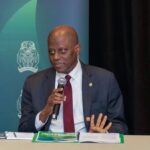
Executive Secretary of the NHRC Commission, Dr. Tony Ojukwu SAN, disclosed this at a collaborative meeting with the National Agency for the Control of Aids (NACA) and other stakeholders aimed at strengthening support for persons living with HIV and the vulnerable against discrimination and injustice.
While commending Global Fund for the immense support to the Commission to achieve great milestone in advancing the cause of HIV in the country, Ojukwu noted that: “through this partnership, the NHRC has strengthened the national response to discrimination and injustice, and made bold steps toward ensuring that the rights of Persons Living with HIV (PLHIV) and Key Populations are not only protected in law, but upheld in practice.
Among participating partners at the meeting include NDLEA, Federal Ministry of Justice, NBA, Lawyers Alert, UN System, UNODC and Society for Family Health, among others.
According to him, “Your collaborative spirit under Global Fund Grant Cycle 7 (GC7) has significantly strengthened Nigeria’s human rights architecture for PLHIV and Key Populations.
Despite progress, the landscape for PLHIV and Key Populations remains fraught with persistent challenges:Stigma and Discrimination continue to hinder access to health services, employment, education, and community life, undermining dignity and equal treatment for many Nigerians.
He noted that legal and institutional barriers, including criminalisation based on sexual orientation and identity, exacerbate exclusion and often lead to arbitrary arrests, torture, and cruel or degrading treatment.
The Executive Secretary noted that structural gaps in awareness, enforcement, and community-level protection persist, despite existing anti-discrimination laws such as the HIV and AIDS Anti-Discrimination Act (2014).
These challenges, he stated, underscore why forums like this are indispensable — not simply as symbolic gatherings, but as strategic platforms for action, coordination, and justice-driven outcomes.
Ojukwu said Under the Global Fund’s support, the NHRC has pursued a multi-pronged approach to strengthen human rights protections for PLHIV and Key Populations.
He listed some of the achievements recorded by the commission to include “Harmonised Access to Justice Mechanism through the establishment of the Access to Justice Coordination Forum has brought together justice sector actors, community networks, legal aid providers, and government institutions to ensure coordinated, responsive, and rights-based action. This platform fosters collaboration, accountability, and effective follow-through on justice cases involving PLHIV and key populations.
“Strengthened NHRC-NACA Collaboration: The signing of a Memorandum of Understanding between NRC and NACA formalized our joint commitment to advancing a rights-based approach to HIV response, enhancing policy coherence, advocacy, and legal support mechanisms for PLHIV and Key Populations.
Other News
“Legal and Institutional Measures: We are advancing frameworks that bolster access to justice, including institutional channels for class actions and individual legal redress within the statutory powers conferred on the Commission.
“Emergency Response Framework (Advanced Stage)Another landmark development is the NHRC Emergency Response Framework, now at an advanced stage of development. This framework will enhance the Commission’s capacity to Mobilise coordinated interventions during crises, including cases of mass arrests, violence against communities, or urgent rights breaches.This framework reflects our commitment to a proactive, swift, and effective human rights response architecture.
“Capacity Building for Community Rights Advocates and Law EnforcementWe recognise that an enabling environment requires empowered communities and accountable institutions.
The NHRC boss said the commission has embarked on nationwide capacity-building initiatives that focus on: “Training Community Rights Advocates to strengthen grassroots awareness of legal rights and mechanisms for redress.
“Sensitising Law Enforcement Agencies to uphold human rights standards, respect the dignity of key populations, and engage lawfully and ethically with all citizens.
These capacity development efforts, he stated, span the length and breadth of Nigeria, fostering greater understanding, empathy, and accountability — essential prerequisites for a just, inclusive society.
Ojukwu called for collective efforts and commitment to expanding access to justice for PLHIV and key populations as well as addressing stigma, discrimination, and exclusion in all forms.Strengthening legal frameworks and institutional responses to protect the rights and dignity of every Nigerian.