Follow Us on Google
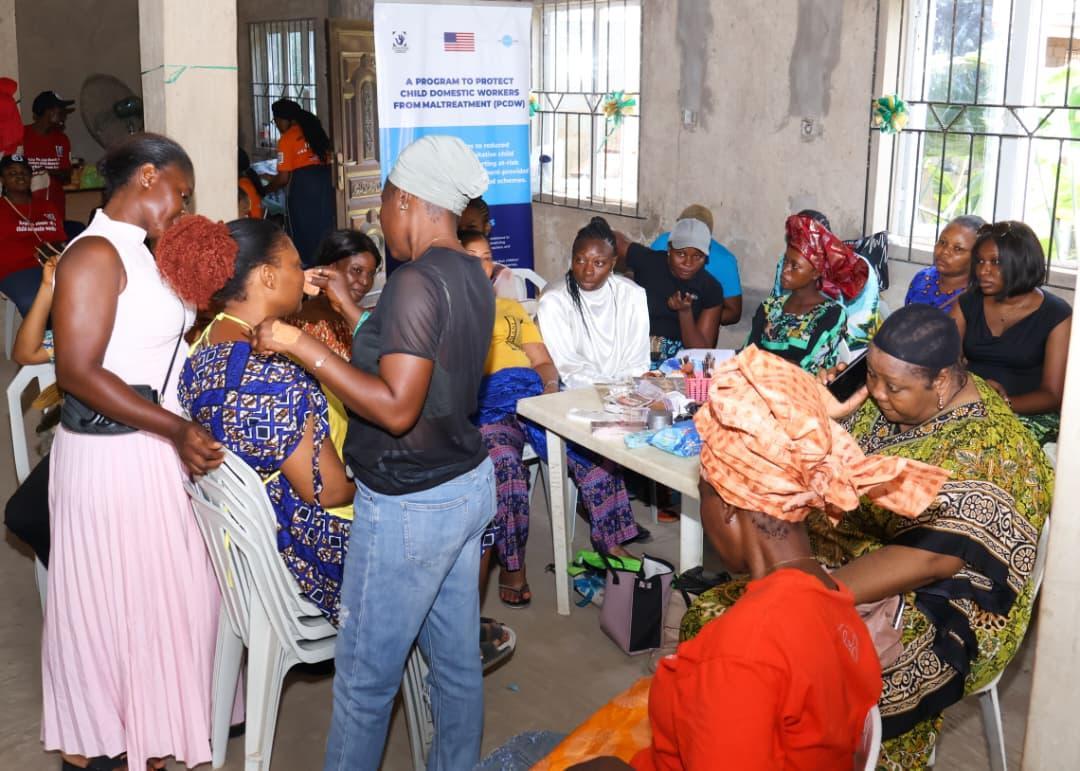
More than 60 women and men in Ikotun/Igando Local Council Development Area (LCDA) of Lagos State have been equipped with practical vocational skills by the Centre for the Advancement and Protection of the Rights of Vulnerable People (CAPRIGHTS–VP) in a move aimed at improving livelihoods and reducing poverty among vulnerable families.
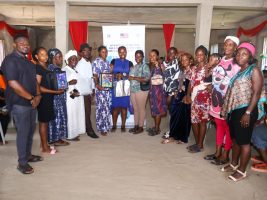
The five-day training programme, held at the Ikotun/Igando LCDA Hall in Ikotun, focused on skills such as bag making, make-up art, gele-tying, pedicure and manicure, as well as sack farming/bag gardening. The initiative was supported by the Freedom Fund, with funding from the United States Department of State.
Speaking during the event, the programme manager of CAPRIGHTS–VP, Mrs. Ngozi Marian Arinze, explained that the training was part of an ongoing project designed to protect vulnerable children from exploitative labour, particularly child domestic work.
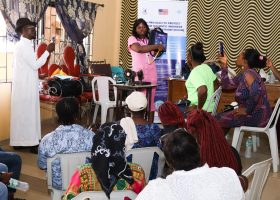
According to her, the organisation is currently implementing a project titled Protect Child Domestic Workers from Maltreatment, which focuses on creating awareness about the dangers of exploitative child domestic labour and empowering families that may be at risk of sending their children into such work.
She noted that the initiative seeks to address the root causes of child domestic labour by strengthening the economic capacity of vulnerable households.
“We are presently running a programme that focuses on sensitising the public about exploitative child domestic work and empowering families that may be at risk of sending their children into such work,” Arinze said.
She explained that the organisation had earlier implemented a social protection scheme through which more than 80 beneficiaries were linked to various government and non-governmental social support programmes.
“Last year, over 80 persons benefited from our social protection scheme, where we linked them to government and non-governmental social programmes. This training is part of our livelihood mentoring programme designed to empower vulnerable families with practical skills,” she added.
Arinze further explained that the training was deliberately structured to focus on skills that were relatively easy to learn and could quickly generate income.
“We selected skills that participants can easily practice and start earning from without needing long periods of further training. The aim is that, after the programme, beneficiaries can immediately begin to apply what they have learned,” she said.
She encouraged the participants to take advantage of the opportunity by putting the skills into practical use.
“My advice to the beneficiaries is that, now that you have been empowered, make good use of the knowledge gained. During our monitoring and evaluation visits, we want to see you making progress and earning from these skills,” she said.
Other News
Arinze also stressed that no child should be forced into domestic labour due to economic hardship, adding that the empowerment of parents and guardians would significantly reduce such risks.
“No child deserves to be sent away as a domestic worker. Children should grow up enjoying the love and warmth of their families. By empowering parents, especially vulnerable women, widows, widowers and single mothers, we hope to reduce the pressure that leads families to send their children away,” she said.
One of the facilitators at the training, Nnenna Okezie, who handled the bag-making segment, said she trained about 25 participants in the production of souvenir and lunch bags.
She advised the trainees to remain focused and determined despite the challenges associated with starting a new venture.
“Learning a skill may not be easy at the beginning, but with determination and consistent practice, they will excel in what they have learned,” she said.
Another facilitator, Temitayo Adejumobi, who trained participants in make-up artistry and gele-tying, said about 34 beneficiaries participated in her class.
Adejumobi said many of the trainees showed strong potential to succeed in the beauty industry, if they continue to practice and market their services.
“I started my career through a similar training programme, and it has taken me far in life. I believe these beneficiaries can also succeed if they remain committed and continue to practise,” she said.
She advised the participants to take advantage of social gatherings such as weddings and other events to showcase their skills and attract customers.
“On weekends, they can attend events and inform people that they do make-up and gele-tying. Gradually, people will patronise them and they can begin to earn income,” she added.
One of the beneficiaries, Maureen Douglas, expressed gratitude to the organisers for the opportunity, describing the training as life-changing.
She said the programme had equipped participants with skills they previously did not have the opportunity to learn.
“This training has empowered us to become financially independent and better support our families. I have learned skills that will help me start something meaningful for myself,” she said.
Douglas added that participants were determined to put the knowledge acquired into practice and improve their economic situations.
She commended the organisers for their commitment to supporting vulnerable families and helping them build sustainable livelihoods.
It was an all-inclusive programme, as representatives from CAPRIGHTS-VP’s partners, the CECYARA Foundation and Devatop, graced the occasion, as well as the head of the Department of Agriculture, Ikotun-Igando LCDA.
———