Follow Us on Google
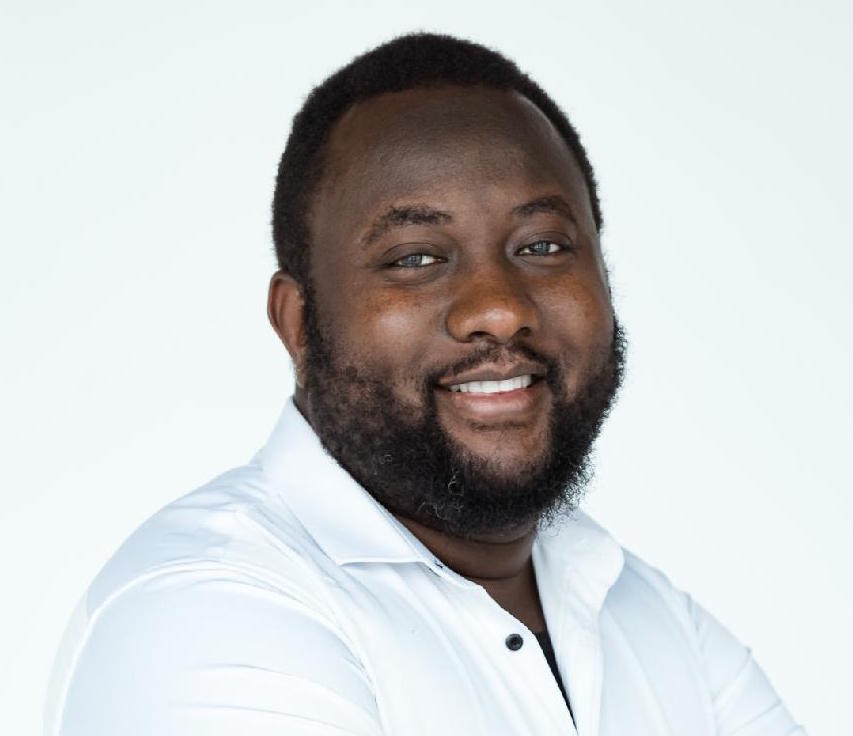
In a world where access to healthcare remains a pressing issue, a nonprofit organization, Love for Health has embarked on a transformative journey to provide free virtual consultations to those in need, in addition to the several physical outreaches they have done.
This endeavor is not without its challenges, but they’re driven by the vision of a more inclusive, accessible healthcare system. Here, in an interview with the Founder of Love for Health Organization, we get a glimpse into the path, the hurdles they’ve encountered, and their ambitious plans for the future.
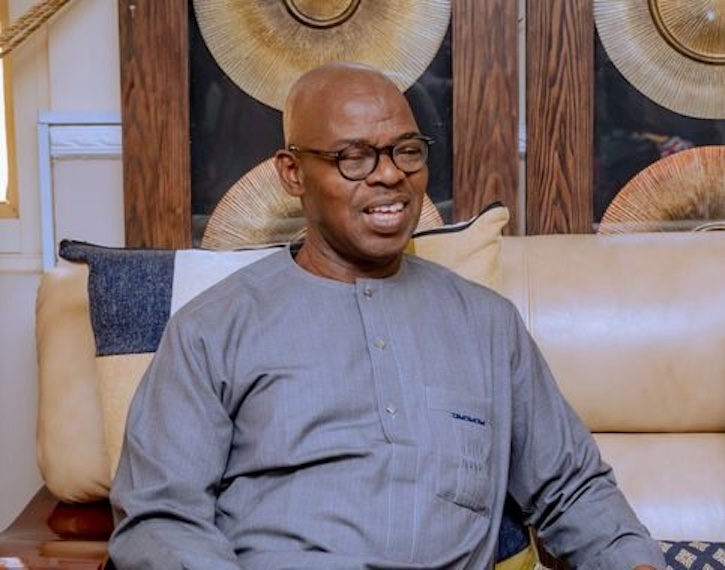
Dr. Yusuf, thank you for taking the time to speak with us today. To start, could you tell us about yourself and about the NGO you founded?
Thank you for having me. My name is Haroun Yusuf, the last born in my family. I was born in Lagos, and grew up in Lagos. I attended Gbagada Grammar School, Lagos, and I obtained my MBBS degree at Lagos State University College of Medicine (LASUCOM) in 2012. Before my scholarship which took me to the US, all I had was my dreams and passion for health but I had the potential. As an undergraduate, I was the Treasurer of Lagos State University Medical Students Association. Love for Health had existed in my mind at this time, because in 2008, I wrote my first article in the university’s journal titled: ‘Love for Health’. When I saw the impact, I decided to expand. So, in 2008, together with help of some colleagues, I established Love for Health Organization. From there, we began to expand running on a mission to provide women with access to quality healthcare while advocating for their rights and improved healthcare services in local communities across the globe.
Great profile there. It’s nice to meet you. Dr. Yusuf, could you tell us about the inspiration behind your NGO’s mission to provide free virtual consultations?
Our journey began with a simple yet profound mission: to bridge the healthcare gap by offering free virtual consultations. The idea was inspired by the desire to reach underserved communities, those who face geographic, financial, or social barriers when seeking medical care. The inspiration behind our mission comes from the dire need for accessible healthcare. We realized that many individuals face barriers to healthcare access, whether due to distance, financial constraints, or other factors. Our goal is to bridge these gaps by offering free virtual consultations.
It’s a commendable mission. What challenges did you encounter when setting up this initiative?
Setting up the initiative was not without its hurdles. Unlike physical consultations that can be pretty much straightforward, virtual consultations require more details. I’ll list a few challenges.
First, we had challenges related to legal and regulatory complexities We needed to ensure that our telemedicine practices complied with privacy laws and regulations. Additionally, introducing the concept of virtual healthcare to our beneficiaries required extensive outreach and trust-building efforts.
Then we had to deal with poor technology and Infrastructure: Setting up a robust telehealth infrastructure was a significant undertaking. We invested in secure platforms, trained our healthcare providers, and educated our beneficiaries on how to access virtual consultations. Patient Engagement was also a constrain. Convincing individuals to trust and use virtual healthcare services was a hurdle.
Overcoming those hurdles is truly an achievement. Can you share some of the impact your NGO has had so far?
The impact has been incredible. We’ve reached remote and underserved communities, bringing healthcare where none was available before. Our services have been instrumental during emergencies, providing timely consultation and advice. Most importantly, we’ve helped reduce healthcare disparities by offering quality care to those who need it most. Apart from the physical outreaches we have had.
Really? Could you mention some of the physical outreaches you have done with some statistics?
Sure. We had some physical outreaches, one at Almighty Rolex Secondary School, Lagos. Here, over two hundred girls received sanitary pads books, journals. We also had another at Unita Hospital and Maternity. Many women received cash gifts to offset some hospital debts. The world really needs help and I hope we can do more. We met women who had delivered but couldn’t be discharged because they were yet to pay, so we helped them. And at Pivic Group of Schools, almost a hundred girls received feminine products to improve their health, just to mention a few. Our virtual services do not replace physical outreach. At our physical outreach, we give sanitary pads, orientations, cash gifts, maternity resources and many others.
That’s amazing. Let’s go back to the impact of virtual consultations….
Ah, yes. The impact of free virtual consultations has been far-reaching, especially for those who live in remote areas or lack access to traditional healthcare facilities. First, we have offered many emergency support. A lot of times, some people have tooth ache and then go to use some herbal medications- not to talk down on the power of herbs, but using them under no supervision, understanding or control is risky. So, we have had a lot of minor cases like toothache, recurring headaches, and many small cases that have the potential of becoming serious, which we helped resolve. Have increased accessibilities, helping people provide CPR even over video calls and it’s been effective. Our initiative has also contributed to reducing healthcare disparities by providing high-quality care to those who need it most.
That’s impressive. What are your plans for the future?
Our journey is far from over. Looking ahead, we aim to expand our range of services, covering more medical specialties and offering mental health support. We also plan to increase our outreach efforts to educate more communities about the benefits of virtual healthcare. Ultimately, we hope to extend our services globally, transcending geographical boundaries.
One final question, Dr. Yusuf. What is your vision for the future of your NGO?
Our vision is a world where healthcare is a fundamental right accessible to all, regardless of their circumstances. We believe in the power of virtual healthcare to make this vision a reality. We are committed to forging ahead, addressing challenges, and constantly adapting to ensure that healthcare is equitable and accessible for all.
Dr. Yusuf, thank you for sharing your inspiring journey and vision for the future. Your dedication to making healthcare accessible is truly admirable, and we wish you continued success in your mission…..
Thank you for your support, and we’re excited to continue making a difference in the world of healthcare.