Follow Us on Google
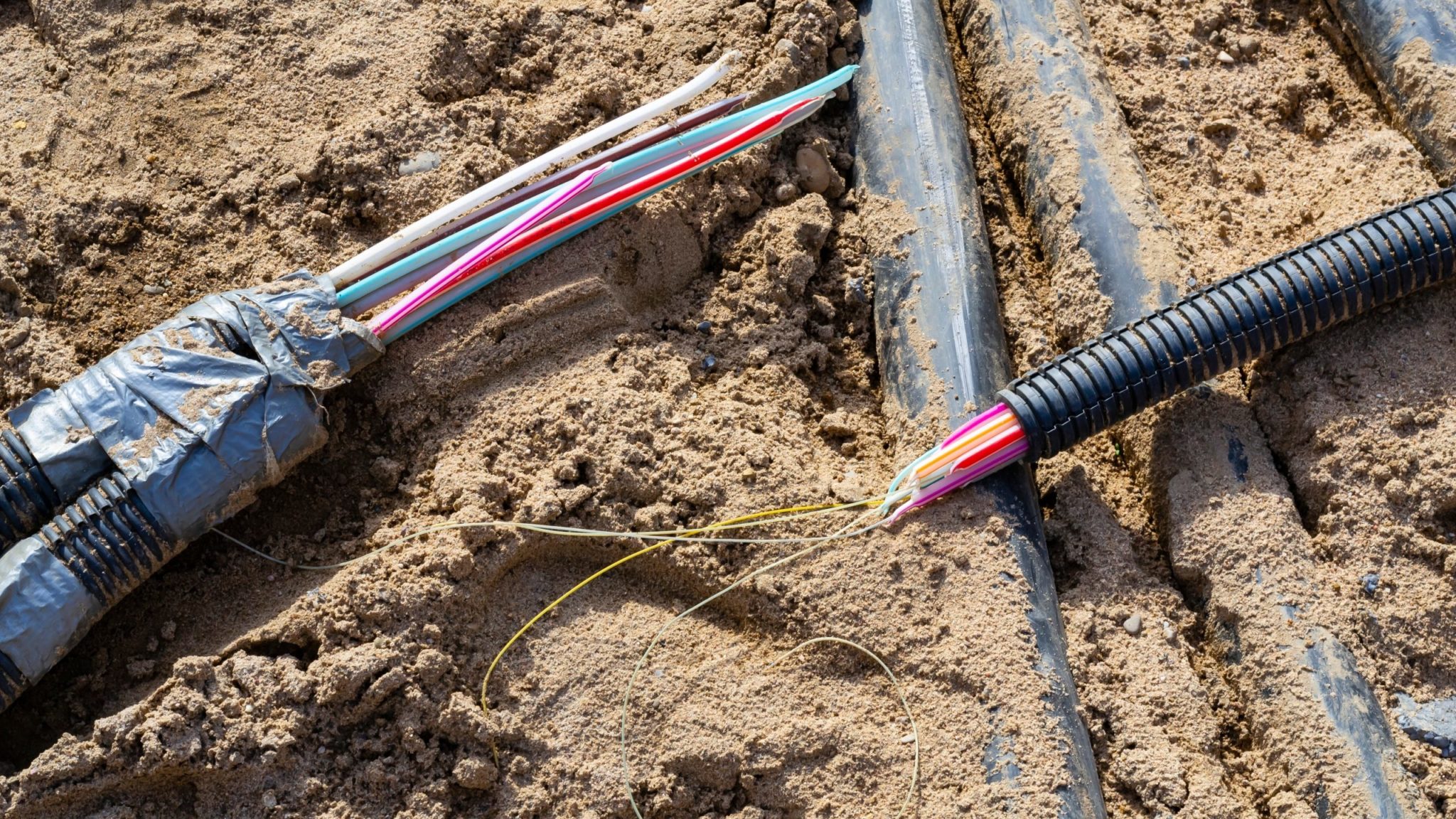
Telecommunications operators in Nigeria are grappling with a heightened level of fibre optic cable damage after incidents surged by a staggering 900 per cent in January 2026.
Data released by the Nigerian Communications Commission (NCC) shows fibre cuts jumped from just four cases in December 2025 to 40 incidents in January, one of the sharpest month-on-month increases recorded in recent years.
The troubling trend has continued into February. Between February 1 and 17 alone, another 18 fibre cuts were recorded, bringing the total number of disruptions to 58 within the first seven weeks of the year.
A breakdown of the incidents shows that about 90 per cent occurred in Abuja, with smaller cases reported in Lagos, Enugu, Benue, Anambra and Abia states. Operators affected include BCN, T2 (9mobile), Airtel, MTN, IPNX and Layer 3.
The spike is raising concerns because telecommunications infrastructure was officially designated as Critical National Information Infrastructure (CNII) by the Federal Government in 2024, a move meant to protect network assets from vandalism and accidental damage.
Alarmed by the January surge, the NCC and the Nigeria Security and Civil Defence Corps (NSCDC) earlier this month issued a joint warning to construction companies, contractors and individuals whose activities damage fibre cables during road works and civil projects.
According to the agencies, avoidable fibre damage caused by negligence, poor coordination or unauthorised excavation is now a criminal offence under existing laws.
“Consequently, any damage resulting from unauthorized digging, construction activities, or failure to collaborate with relevant authorities to prevent damage during construction constitutes a criminal offence,” the statement read in part.
They stressed that telecom fibre infrastructure is formally protected under the Designation and Protection of Critical National Information Infrastructure Order 2024.
“Future damage to fibre optic infrastructure caused by excavation, road construction, or any civil engineering activity conducted without due consultation or collaboration with network operators and relevant regulators will attract strict legal consequences,” the agencies warned.
Offenders, including construction firms, government contractors and individuals — risk prosecution under laws such as the Cybercrimes (Prohibition, Prevention, etc.) Act 2015.
Yet, given the fresh incidents recorded in February, the warning appears to have had limited immediate impact.
Other News
Industry players say the financial and operational consequences are enormous. Senior Manager at Broadbased Communications, Jude Ighomena, revealed that telecom operators lost an estimated N5 billion in Lagos State alone in 2024 due to infrastructure damage.
According to him, more than 2,500 fibre cuts were recorded in Lagos last year, disrupting services and eroding revenues.
He identified Ikeja, Lekki and Victoria Island as the most affected areas, where frequent road construction and private developments often damage underground cables.
“These recurring incidents stem from poor planning, lack of coordination, and overlapping regulatory mandates.
“With no centralised framework, government agencies, construction firms, and telecom operators work independently, leading to repeated damages without accountability,” he said.
For operators, the frustration goes beyond financial losses. Chairman of the Association of Licensed Telecommunications Operators of Nigeria (ALTON), Engr. Gbenga Adebayo, said weak enforcement has created a culture of impunity.
Citing international practice, Adebayo noted: “In England, if you crash into a telecommunications pole while driving, the state prosecutes the offender, not the telecoms provider.
“This highlights the seriousness of damaging public infrastructure, which can result in significant penalties, including imprisonment.”
He argued that Nigeria must adopt a similar approach in protecting its Critical National Infrastructure, stressing that safeguarding telecom assets is essential for economic stability, security and uninterrupted digital services.
In August 2024, President Bola Tinubu signed an official gazette designating telecom infrastructure as critical national information infrastructure, criminalising wilful destruction.
The Minister of Communications, Innovation and Digital Economy, Dr Bosun Tijani, described the order as a major step toward protecting ICT investments.
However, a similar declaration was made in 2020 by former Minister Isa Pantami under the administration of former President Muhammadu Buhari, yet vandalism persisted.