Follow Us on Google
By Caryn Oseghale and Aminat Orisatoye
The Nigeria Extractive Industries Transparency Initiative (NEITI) has reiterated that compliance with its mandatory audit process is not optional but a legal obligation for all companies operating in the country’s extractive industries. The agency warned that failure to comply would attract sanctions as provided by law, underscoring its zero-tolerance stance on opacity in the sector.
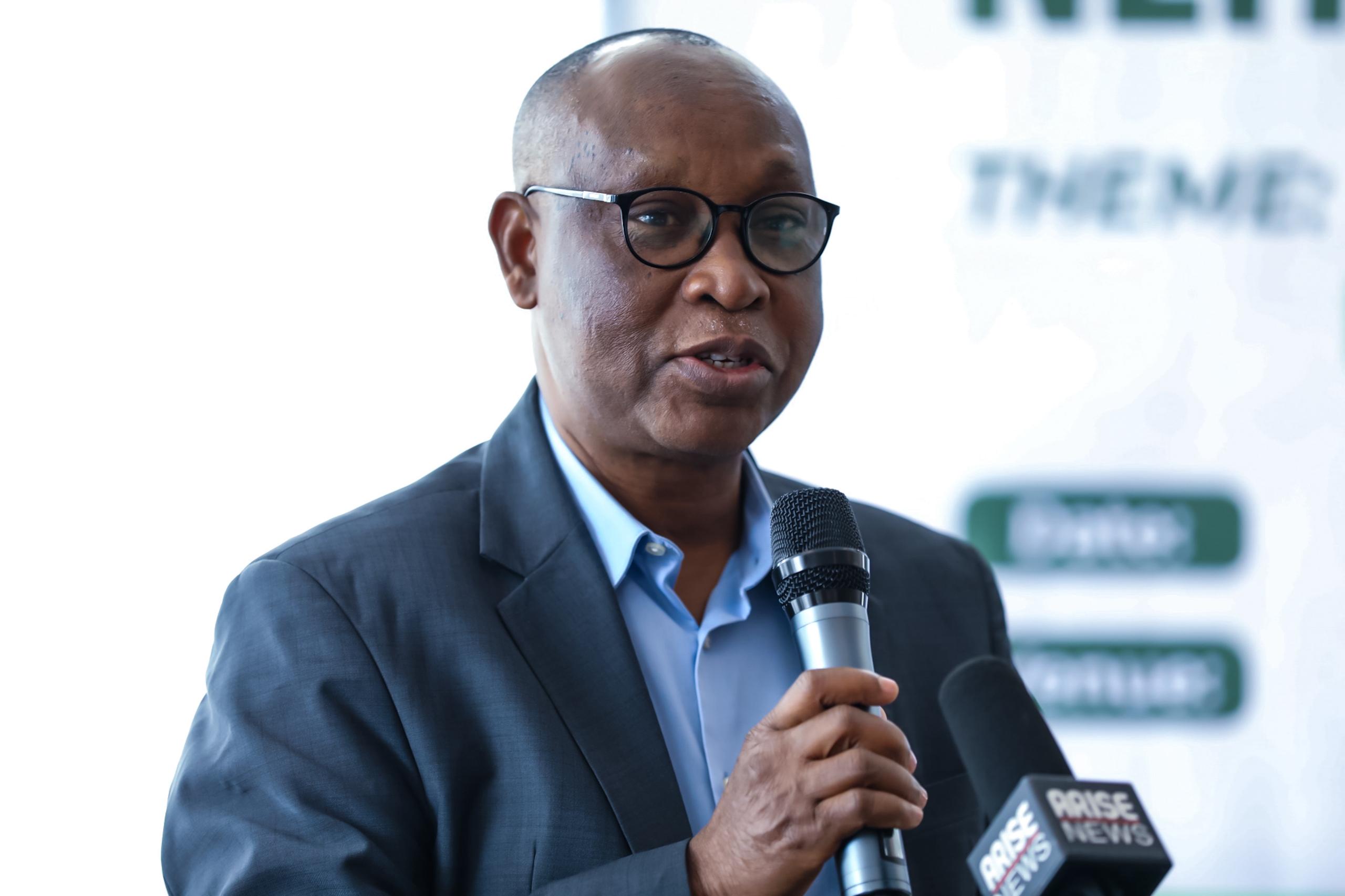
Speaking at the opening of the NEITI Companies Forum in Lagos, the Executive Secretary of NEITI, Dr. Orji Ogbonnaya Orji, stressed that transparency and accountability remain central to strengthening citizens’ trust, boosting investor confidence, and aligning Nigeria’s extractive practices with global standards.
“Compliance with NEITI’s audit process underpins efforts to improve Nigeria’s business environment and attract sustainable international investments,” Dr. Orji said.
He highlighted the NEITI Companies Forum as a strategic platform for deepening collaboration with operators. The Forum focuses on beneficial ownership and contract transparency, company data disclosure, sub-national fiscal sustainability, climate change, and multi-stakeholder engagement.
However, the Lagos meeting also served as a platform for extractive firms to voice their frustrations. Industry representatives lamented what they described as the burden of multiple taxation, royalties, and levies from various government agencies, which they said continue to frustrate operations.
Chairman of the NEITI Companies Forum, Mr. Gwueke Ajaifia, noted that the growing demand for data and payments from multiple regulators was worsening the ease of doing business. Similarly, the President of the Miners Association of Nigeria and Deputy Chairman of the Forum, Mr. Dele Ayanleke, commended NEITI for creating the Forum but urged it to leverage its global networks and multi-stakeholder framework to press government for reforms that would restore investor confidence.
Also speaking, Mr. Taiwo Abdel Jeleel Olasupo, a member of NEITI’s National Stakeholders Working Group representing the South-West, highlighted the region’s vast mineral deposits and called on investors to tap into the opportunities for profit and job creation in host communities.
The Lagos session further examined pressing industry issues such as divestments, liabilities, and the impact of ongoing federal government reforms on the growth and sustainability of Nigeria’s extractive industries.