Follow Us on Google

By Chukwuma Umeorah and Rukaiya Maina
Neimeth International Pharmaceuticals Plc has revealed that it is implementing strategic measures to reverse a N2.03 billion foreign exchange loss incurred in 2024 as part of efforts to stabilise its financial position and sustain growth.
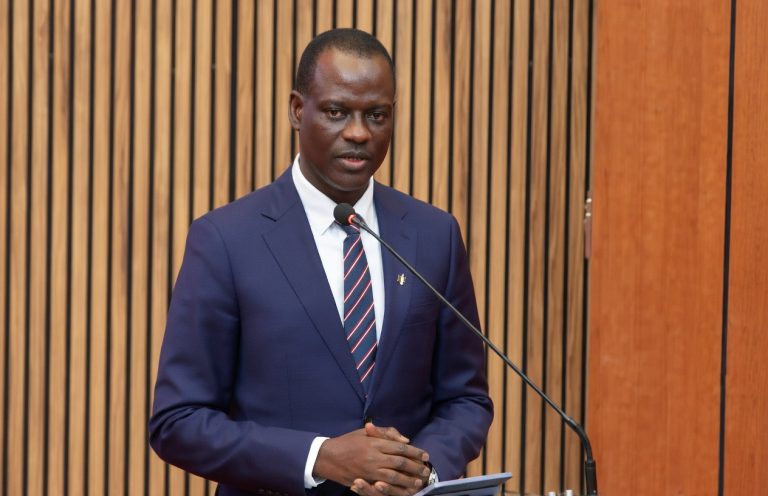
The Managing Director/CEO, Valentine Okelu, disclosed this at a media parley in Lagos on Thursday, highlighting plans to restructure foreign-denominated loans, convert them into naira, and negotiate extended payment terms to ease financial strain. “We are aggressively restructuring our foreign-denominated loans, converting them into naira to shield us from further forex volatility.
“Additionally, we are negotiating extended payment terms on outstanding facilities to create financial headroom for a swift return to positive cash flow and profitability,” he stated.
Despite the forex setback, Neimeth recorded significant operational improvements, with revenue rising by 102 per cent to N4.5 billion in 2024 from N2.2 billion in 2023. Gross profit also jumped by 170 per cent.
While the company reversed a N1.3 billion loss from the previous year to achieve an operating profit of N338.5 million. According to Okelu, these gains were largely driven by cost-cutting measures, including a reduction in marketing and administrative expenses.
Marketing and distribution costs declined from N792.3 million in 2023 to N578.7 million in 2024, while administrative expenses fell from N868.1 million to N558.0 million.
He revealed that a key pillar of Neimeth’s recovery strategy is the localization of raw material sourcing, aimed at reducing reliance on imported inputs. Okelu pointed to Ciklavit, a sickle cell management drug, as a prime example. “That product is 99 per cent locally sourced. Everything that is used to make that product is gotten from Nigeria,” he emphasized, adding that the company was set to launch a new locally developed medication for hypertension and diabetes as part of its import substitution drive.
“Beyond cost control, Neimeth is investing in infrastructure to enhance its manufacturing capacity. We completed the upgrade of our Lagos production facility and is constructing a state-of-the-art WHO-compliant plant in Anambra State. This facility will serve as a center of excellence for pharmaceutical research, development, manufacturing, and distribution,” Okelu stated. This move he said, will position Neimeth to leverage opportunities under the African Continental Free Trade Agreement (AfCFTA).
Okelu acknowledged that the pharmaceutical industry continued to struggle with high borrowing costs, making it increasingly difficult for manufacturers to secure sustainable financing. “As of today, going to borrow from the bank is actually not sustainable for any manufacturer given the lending rates,” he stated.
He emphasized the need for long-term capital investments, calling on the government and public-spirited individuals to support the sector with patient capital. “We ask the government and possibly very rich individuals that are public-spirited should work in such a way that we have patient capital that could be invested in the pharma industry,” he said. He explained that pharmaceutical investments require a longer gestation period compared to other sectors, making short-term capital unsuitable. “The pharma industry is so unique that you can not start a factory today and finish it in two years. That would be a very big thing. So you can imagine an investor that will put his money down and wait for two years before the first product, that is if he’s lucky, will start coming out,” he explained.
Beyond financing, Okelu highlighted infrastructure challenges as a major constraint for the pharmaceutical sector. Rising energy costs, he noted, continued to squeeze profit margins. “If you factor in the cost of power and energy into production costs, you can imagine the amount of shock that we have to absorb. Especially as it is very impossible to transfer those costs back to the consumer.”