Follow Us on Google
From Adesuwa Tsan, Abuja
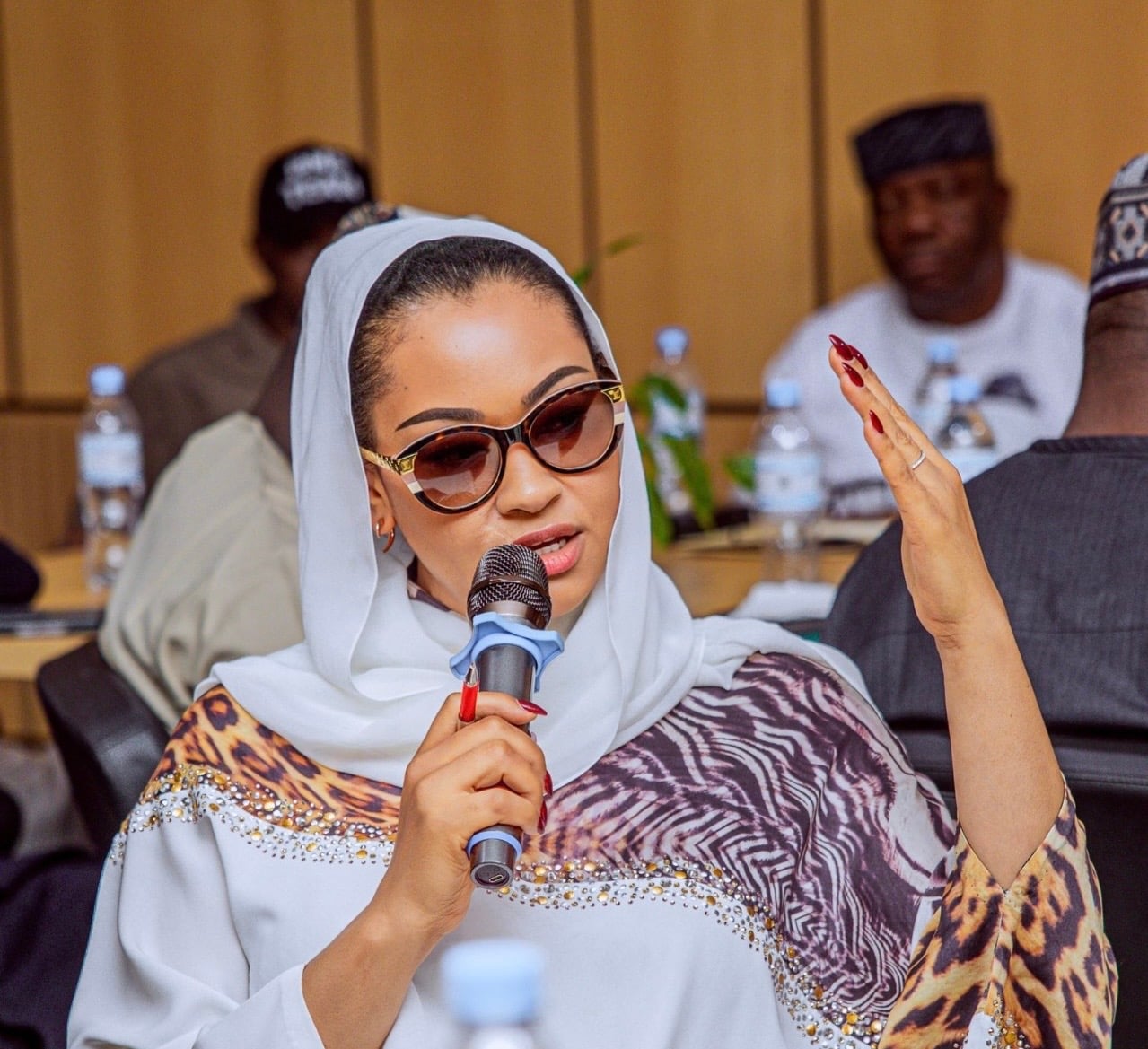
Senator Natasha Akpoti-Uduaghan on Tuesday warned that West Africa’s growing preference for external partnerships over internal collaboration is undermining the region’s quest for meaningful economic integration under the African Continental Free Trade Area (AfCFTA).
Speaking in Abuja at the ECOWAS First Extraordinary Session and the 2026 Parliamentary Seminar, the lawmaker charged regional leaders to urgently rebuild trust, deepen cooperation, and invest in homegrown innovation as the true foundation for expanded intra-community trade.
The seminar, themed “Deepening Regional Integration through the African Continental Free Trade Area (AfCFTA): Opportunities and Challenges for Expanding Intra-Community Trade within the ECOWAS Region,” brought together lawmakers, policy experts, and stakeholders from across West Africa.
Akpoti-Uduaghan argued that genuine integration must go beyond political declarations and be anchored on shared research, industrial integration, market linkages, and joint product development.
“In areas of industrial integration, research, market linkages and product development, it will enhance and expand trade and commerce within the West African region,” she said.
However, she expressed concern that ECOWAS countries increasingly look outward for strategic partnerships while neglecting cooperation among themselves.
“In my own perspective, I believe that West Africans lack cohesive collaboration amongst ourselves. Let us ask ourselves: how much research and innovation have we conducted amongst ourselves? How much technology developed in our countries have we willingly shared amongst ourselves?” she queried.
Other News
The senator warned that without a solid base of internal cooperation, AfCFTA ambitions could suffer credibility and trust gaps.
“If we have failed in this foundation, then how can we trust the products that we have produced in our countries to be willingly patronized amongst ourselves?” she asked.
Citing a recent partnership between Ghana and Germany on vaccine development, Akpoti-Uduaghan questioned why similar cross-border collaborations were not being prioritised within ECOWAS.
“I saw a publication regarding collaboration between Ghana and Germany on vaccine development. It is commendable. But wouldn’t it be better if Ghana’s Ministry of Health partnered with Nigeria’s Ministry of Health on such innovations? We need to reflect deeply on that,” she said.
While acknowledging the value of global partnerships, she insisted that regional cooperation should take precedence, saying, “It is okay to promote innovations with America, the United Kingdom, or France. But primarily, as a region, we should not neglect ourselves. We share heritage, challenges, and history. Would it not be better to first focus on health, agriculture, science and technology, and our vast industries among ourselves?”
The lawmaker further called for open research systems, stronger inter-university partnerships, and accessible innovation platforms across the region through stronger relationships “between our universities. Let us not hoard the products of our research. We should have open research platforms where our technology and innovation hubs can connect. As individuals, we should be able to log into portals in Mali, Gambia, and Liberia to see what innovations are emerging.”
She also urged parliamentarians to compel closer engagement between ministries across ECOWAS states to promote transparency and trust.
“As parliamentarians, let us task our ministries to reach out to their counterparts across the region and trust that they will openly share research outputs. That is the foundation we must not neglect,” she added.
Turning to emerging economic frontiers, Akpoti-Uduaghan highlighted the untapped potential of the blue economy, referencing global discussions led by the World Bank on maritime-driven growth.
“In recent times, the World Bank has emphasised the blue economy. Wouldn’t it be beneficial for West African countries and companies to jointly develop and maximise these opportunities? This could significantly boost trade volumes for ECOWAS states,” she said.