Follow Us on Google
Bimbola Oyesola, Geneva, Switzerland
The Nigeria Employers’ Consultative Association (NECA) has reiterated the need for the Federal Government to take urgent action over the “unsustainable fuel subsidy” regime and the burdensome debt profile of the country.
In an interview with Daily Sun, director-general of the association, Mr. Timothy Olawale stated that fuel subsidy has proved to be unsustainable and a major leakage in national revenue.
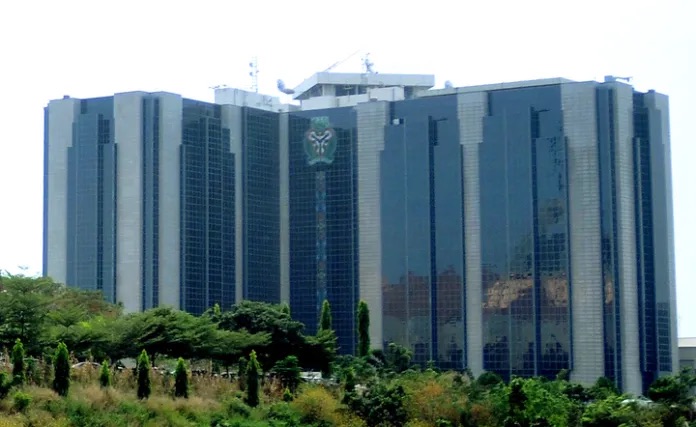
Olawale said, “A former CBN governor recently stated that, in 2011, the country made US$16 billion from petroleum sales and spent US$8.2 billion to subsidize imported petroleum products. Despite past sound counsel, government has refused to demonstrate the political will needed to deregulate the downstream sector of the oil and gas (industry).”
He lamented that this has fuelled the continued dependence on offshore sources for petroleum products, shortage of petroleum products and unimaginable corruption in the management of the subsidy dispensation, which he said remained a major concern for businesses.
Explaining the need for urgent deregulation of the downstream oil sector, the NECA boss stated that, “over the last decade, the country has spent over N9 trillion on fuel subsidy, about N15.5 trillion on capital expenditure, N2.1 trillion on health and about N3.9 trillion on education. This is a misplacement of priority and shows that critical developmental items such as education, health and infrastructure have suffered due to the expenditure on fuel subsidy.
“The fuel subsidy regime has succeeded in creating phoney and emergency billionaire at the expense of millions of pauperised Nigerians.”
In the same light, Olawale expressed concern at the growing debt stock of the nation with huge percentage of the budget, over the last decade, going to debt servicing.
He opined that, “borrowing could have been permissive, given the state of the economy in 2015, but not to the clearly humongous level it has turned out to be. Incurring debt for developmental purposes is not in question, but the over 24.39 trillion debt stocks, taking over 20 per cent of annual national budget to service should be enough source of worry. The IMF warned that Nigeria’s debt-to-GDP ratio, though good, is risky and cannot be guaranteed going forward.”
He said government should manage the rising debt profile, at the state and federal level, as the present trend portends a gloomy future for the nation.
He added that, “government should take steps to put an end to the subsidy regime as the billions spent on subsidy could be used to support the real sector, subsidise critical and productive economic sector and also help government to lift the proposed 100 million poor Nigerians out of poverty.
“The increasing debt profile and the corruption-ridden fuel subsidy regime are twin evils that have clogged the wheel of the nation’s march towards development in the last decade. Government should do the needful by immediately putting in place a process and enlightenment machinery that will lead to the deregulation of the downstream oil sector and a deliberate disengagement from the debt burden.”