Follow Us on Google

• backs $850m World Bank projects on disaster management, early childhood development
• Shettima tasks FG, states on stronger institutions to sustain Tinubu’s reforms
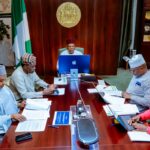
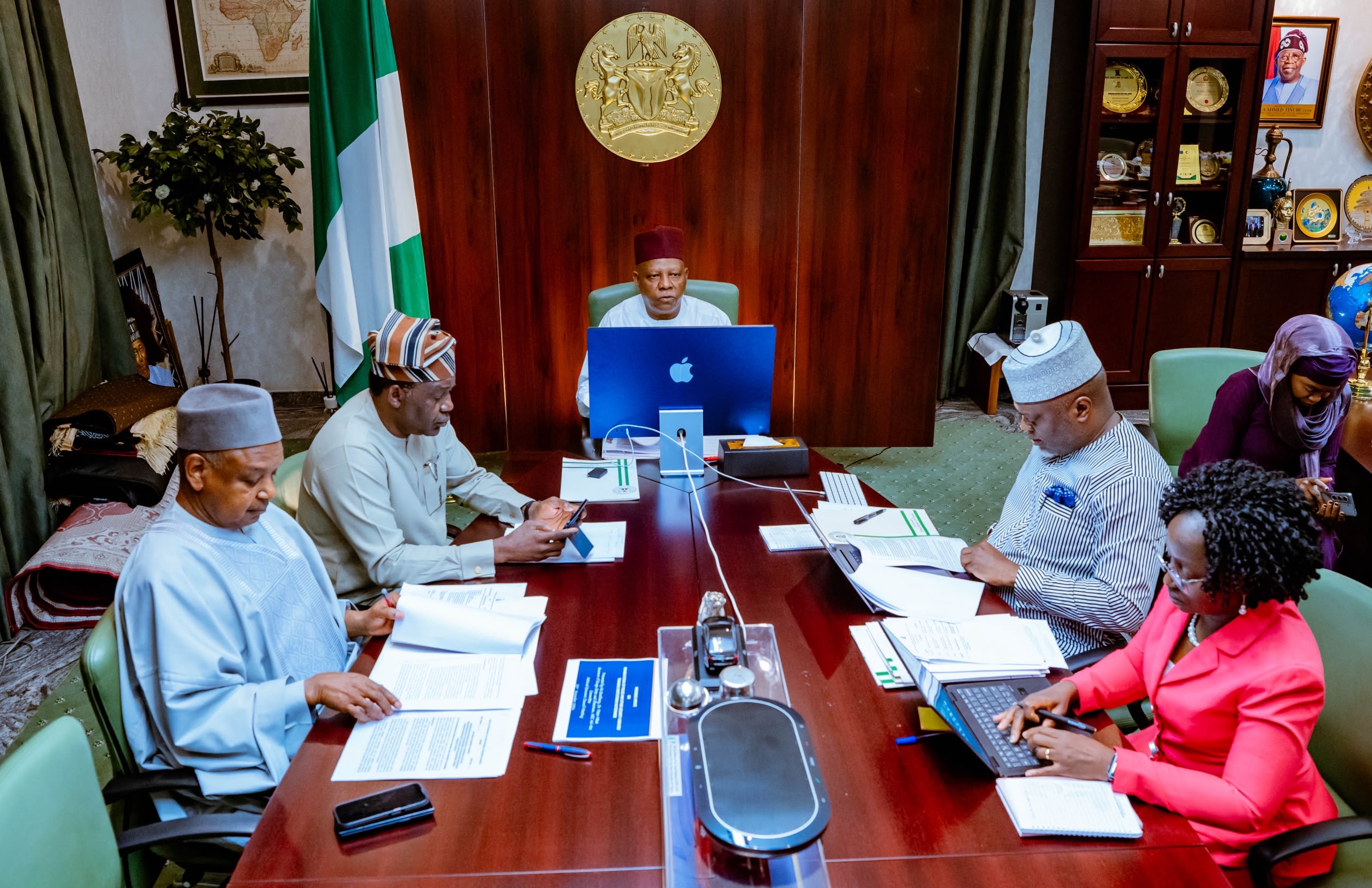
National Economic Council (NEC), presided over by Vice President Kashim Shettima, approved an additional ₦130 billion for the rehabilitation and upgrading of police training institutions across the country, bringing the total intervention fund to ₦230 billion amid preparations for the proposed recruitment of 50,000 police personnel.
The fresh allocation, which comes as discussions on establishing state police gather momentum, is expected to accelerate the rehabilitation of police colleges, improve training facilities and strengthen the capacity of the institutions to accommodate increased recruitment.
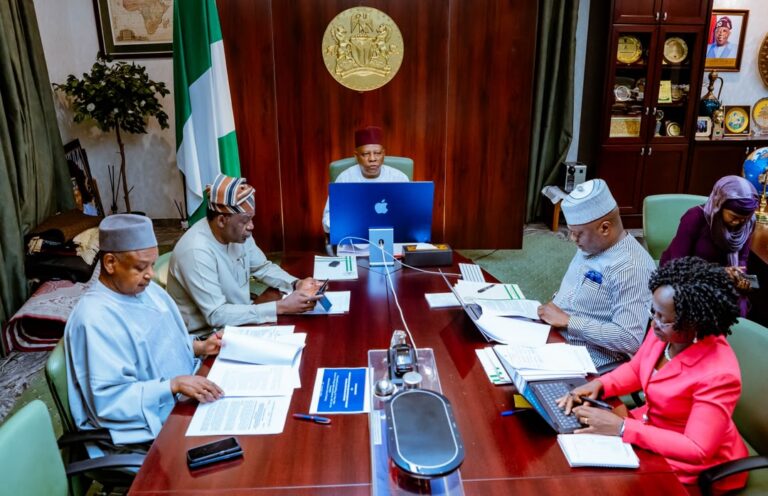
The approval was one of the major decisions reached at the Council’s 162nd hybrid meeting on Monday, alongside the endorsement of two development projects backed by proposed World Bank financing of $850 million to strengthen disaster preparedness and improve early childhood development.
The additional funding follows an earlier ₦100 billion approval for the rehabilitation programme after NEC established an ad-hoc committee, chaired by Enugu State Governor Peter Mbah, in October 2025 on President Bola Tinubu’s recommendation.
Presenting an update on the intervention, the committee disclosed that rehabilitation work was ongoing at 13 locations nationwide, with about 30 per cent of the projects completed.
It said the additional funding would facilitate the completion of ongoing works, upgrade training infrastructure and enhance the capacity of police institutions to meet the country’s growing security manpower requirements.
The Council’s decisions also came against the backdrop of improving economic indicators, with the Minister of Finance and Coordinating Minister of the Economy, Taiwo Oyedele, reporting that Nigeria’s real Gross Domestic Product grew by 4.43 per cent in the second quarter of 2026, up from 4.23 per cent in the corresponding period of 2025.
Oyedele also disclosed that headline inflation declined for the fifth consecutive month to 14.06 per cent in October 2026, the lowest level since September 2020, while the country’s external reserves rose to $54.87 billion as of November 12, 2026.
He further reported that Nigeria’s trade surplus increased from ₦10.2 trillion in the first half of 2025 to ₦20.1 trillion in the corresponding period of 2026.
Net revenue distributed through the Federation Account Allocation Committee (FAAC) also rose by 44 per cent, from ₦15.2 trillion in 2024 to ₦21.9 trillion in 2025.
However, the minister cautioned that the improving macroeconomic figures had yet to translate sufficiently into relief for households and businesses, citing persistent pressures from food prices, electricity costs, high lending rates and unemployment.
He put food inflation at 19.13 per cent in October, noting that high energy costs and expensive credit continued to constrain businesses and household incomes.
On development financing, NEC endorsed the proposed $350 million Accelerating Resilience through Investment Systems and Engagement (ARISE-Nigeria) Project, a six-year World Bank-supported initiative designed to strengthen Nigeria’s capacity to anticipate, prepare for and respond to floods, droughts, fires and other natural disasters.
The programme will support the development of emergency operations centres, early warning systems, weather monitoring and disaster response financing at federal and state levels.
Between five and 10 states are expected to participate in the initial phase, with selection based on their exposure to disaster risks, institutional readiness and commitment to emergency preparedness.
The Council also endorsed Nigeria’s State-Led Early Childhood Development Programme, which is expected to receive $500 million in proposed World Bank financing, alongside a potential additional $30 million grant from the Global Financing Facility.
The programme is designed to expand children’s access to healthcare, nutrition, early learning and protection services across the 36 states and the Federal Capital Territory.
Under the initiative, early childhood development hubs will link primary healthcare facilities with childcare, preschool education and other essential social services, particularly in underserved communities.
NEC also called for stronger collaboration between the National Identity Management Commission (NIMC) and state governments to accelerate the registration of Nigerians and integrate the National Identification Number into public services.
The initiative is expected to improve public service delivery, strengthen tax administration, eliminate duplicate records and curb fraud in government payrolls, pensions and social intervention programmes.
On pension reforms, the Council approved a proposal by the National Pension Commission (PenCom), titled Securing the Retirement of Nigerian Workers While Strengthening State Finances, which seeks full implementation of the Contributory Pension Scheme across the federation.
It urged state governors to establish formal implementation timelines and directed their administrative and finance teams to work with PenCom towards achieving the objective.
Earlier, Shettima said the sustainability of President Tinubu’s economic reforms would depend on the ability of federal and state institutions to consolidate the gains.
Shettima urged ministries, departments and agencies, as well as state governments, to prioritise institutional development and ensure that the impact of government policies on ordinary Nigerians remained central to their decisions.
“While His Excellency, President Bola Ahmed Tinubu, GCFR, makes the difficult reforms to stabilise the economy, we must all participate in establishing institutions capable of sustaining the benefits of those reforms.
“This requires ministries and States to settle practical responsibilities without losing sight of the people affected. To achieve this, we must cooperate,” he said.
The Vice President urged Council members to consider the needs of future generations in their decisions, stressing that effective collaboration among the tiers of government was critical to delivering lasting development.
On the proposed ARISE-Nigeria project, Shettima said investments in disaster preparedness must focus on reducing the economic and social damage caused by natural disasters.
He noted that resilience required deliberate decisions before disasters occurred, adding that the capacity of families and businesses to recover from shocks should not depend solely on the resources available to them.
“People affected by an intervention must also have a place in shaping it. Their experience can reveal what a proposal overlooks. The strength of a project rests partly on the institutions and citizens that will carry it,” he added.
He noted that resilience required deliberate decisions before disasters occurred, adding that the capacity o