Follow Us on Google
From Juliana Taiwo-Obalonye, Abuja
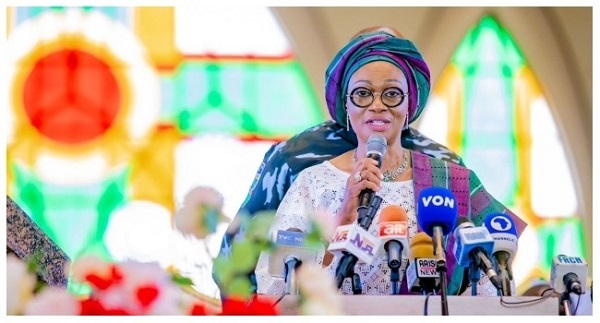
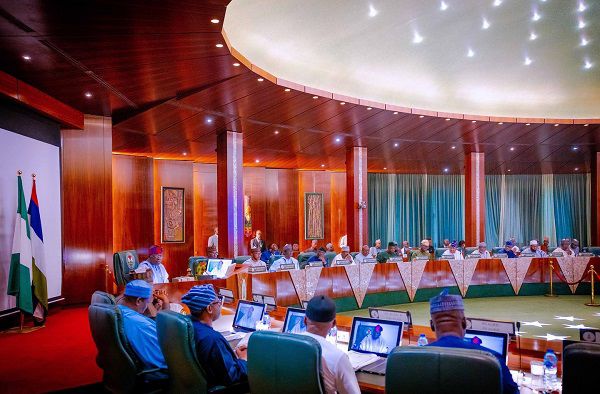
At the National Economic Council (NEC) Conference 2026 themed “Delivering Inclusive Growth and Sustainable National Development: The Renewed Hope National Development Plan,” Minister of State for Finance, Doris Uzoka-Anite, highlighted poor project implementation and lack of skilled technical partners as major hurdles preventing Nigeria from leveraging its vast resources.
Speaking on the panel “Fiscal and Monetary Outlook 2026-2030: Priorities and Imperatives,” Uzoka-Anite addressed concerns about why Nigeria, despite its wealth, struggles with solutions. “Nigeria has a lot of resources. We are blessed with so much resources over the years. I mean, if you take all of our budgets and you see how much we’ve allocated into how much we’ve been spending into multiple projects. But the sad part is… a lot of these projects are littered, either completed and abandoned or not effectively utilized,” she said. “So that actually lets us know that we are blessed as a country. We have resources. We have people who know what to do, but the main question is, why aren’t things working?”
Uzoka-Anite pointed to the absence of end-to-end mechanisms from project conceptualization to revenue assurance. “From the studies that we’ve done at the ministry, we think is having the right implementation mechanism that is lacking. So we are able to find the money, we’re able to identify the projects, but I think one thing that we’re lacking, which we’re trying to now find a way to go around, is having the right partners to work with you,” she explained.
“Technical partners is a very… critical, or if not fundamental, to the achievement of a project.” She stressed the need for technical partners with “skin in the game,” citing examples like power plants built but left inoperable due to no sustainable operators. “Say you want to go into the power plant. Then you have the budget. You hire somebody, he builds it, and then he walks away. So who operates the power plant?… We have to be able to design an implementation mechanism that is end to end, from conceptualization to revenue assurance. So you have to be able to hand it over to the people who can actually deliver for you what you really want to see happen.”
The minister also flagged government transitions and poor asset tracking as issues. “One of the problems may be also inconsistency, changing government. You know, when you start the project and you walk away… it’s possible that we do not have a full view of what we actually have as an asset,” she noted.
Announcing an ongoing national asset registry now nearly 50% complete, she said: “So we started doing assets registry. We are currently taking stock of our assets across the country, so that there’s always an asset register that you can find whatever resources that we have… so far, I think we’re about almost 50% we’re giving ourselves another one or two years to complete the asset registry.”
The minister emphasised accountability via KPIs and a new public-private partnership (PPP) model where partners invest alongside government: “You have to hold people accountable. Whichever management you actually onboard or you hire must be held accountable… hire people that are also investing alongside and that’s why we are proposing the new public private partnership model that we are trying to introduce, where the technical partners are bringing in financing, and we are just creating an enabling environment for them.”
Uzoka-Anite advocated de-risking investments to attract private funds from pension savings, land, solid minerals, and oil. “So when you create enabling environment for any projects… what you most likely would do is that becomes your equity contribution. So maybe five, 10% you take a stick. You just have to de-risk that capital. Then it helps to crowd your private partners, crowding private capital… If you look at how much money we have in pension fund, is enormous. Look at our untapped resources, land, solid minerals, even oil resources. We have so much,” she stated.
“All we just need to do is find the right financing mechanism and the right implementation mechanism, and we can unlock the potentials of this country.”
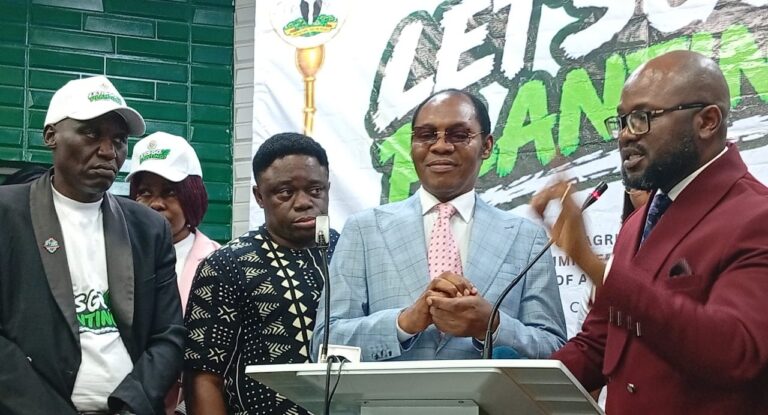
The session featured panellists including Heineken Lokpobiri (Minister of Petroleum Resources), Olayemi Cardoso (Central Bank Governor), Chukwuma Soludo (Anambra Governor), Alh. Dauda Lawal (Zamfara Governor), and Prof. Oluferni Sumaila of the Public Service Institute of Nigeria moderated.