Follow Us on Google
• Urges president to speak directly to Nigerians, not through proxies
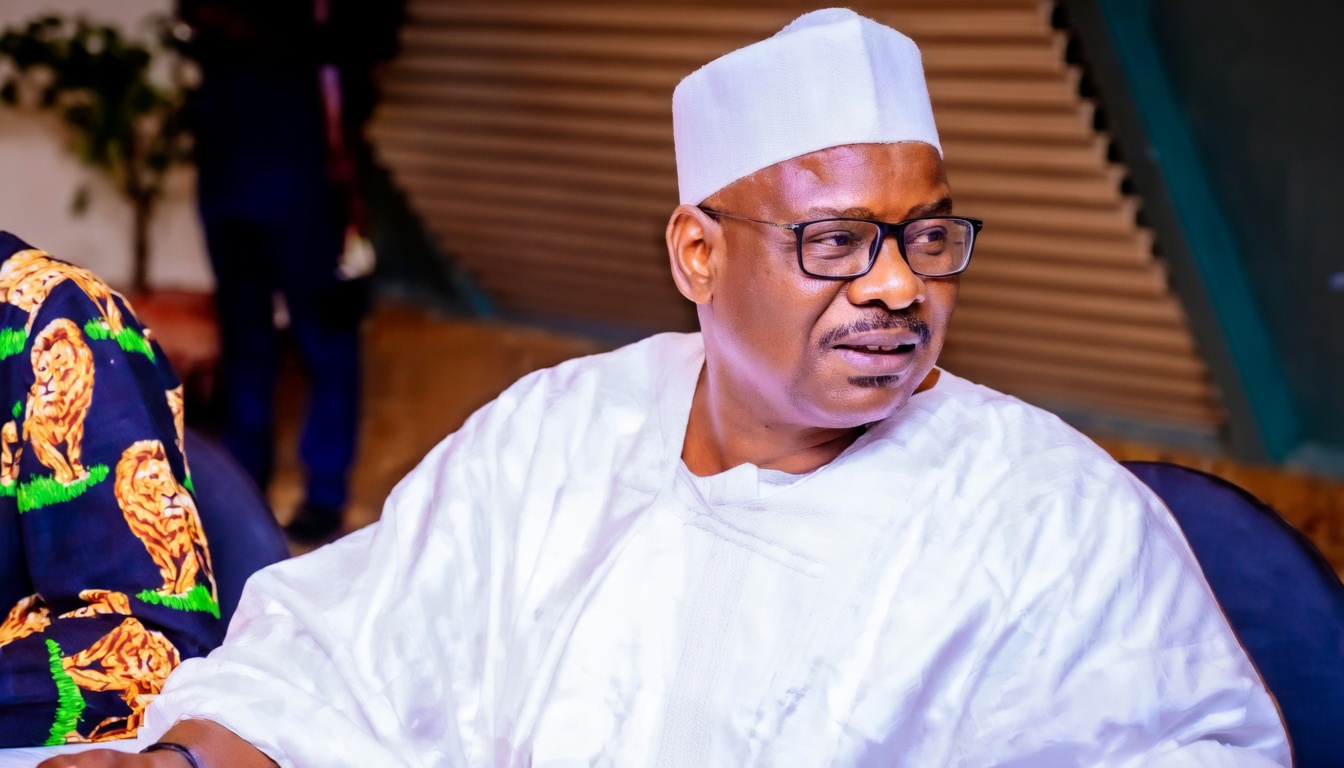
Former Senate Leader Ali Ndume, on Thursday, said criminal groups operating across the North-West, North-East and other parts of Nigeria are now facing intensified pressure, with some of their leaders killed and others surrendering to security forces.
The Borno South senator, who spoke after meeting President Bola Tinubu at the State House, Abuja, said the recent gains suggest that the security crackdown could yield lasting results if sustained.
“There has been a lot of pressure recently on bandits in the North-West, the North-East, and elsewhere. Some of their leaders have been taken out, and some of their commanders surrendered yesterday,” Ndume said. “If this tempo is kept, we are sure that this thing will come to an end.”
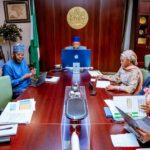
Ndume said the president’s response to the security situation showed a heightened sense of urgency, noting that his scheduled meeting with Tinubu was delayed because the president was in a security meeting with service chiefs.
“My appointment was for three o’clock. I don’t know what came up, but they had a security meeting. As you can see, the service chiefs came in. So that means the president is sitting up,” he said.
The senator said the current offensive against bandits was a sign that authorities were beginning to apply more pressure on criminal networks that have terrorised communities across the country. He argued that once the tempo is maintained, the outcome could be decisive.
He also maintained that the president appeared committed to confronting the crisis head-on, saying the presence of the service chiefs at the Villa underscored the seriousness of the situation. According to him, the security challenge can be brought under control if the momentum is sustained and backed by stronger coordination.
Ndume also urged President Tinubu to address Nigerians more directly, warning that the country’s worsening insecurity and economic hardship require urgent, coordinated action rather than filtered communication through aides or intermediaries.
“I advised him, and he promised to look into it, to speak directly to Nigerians,” he said. “Nigerians would expect that your leader will tell you what is going on, instead of other people talking on behalf of Mr President.”
The lawmaker, who said their discussion focused on national challenges, especially insecurity, economic hardship, and the need for stronger engagement between the presidency and citizens, added:
“I actually sought the audience, and I was immediately granted it. The president was also looking forward to meeting with me,” Ndume said. “We had a very fruitful and useful discussion, and the president even insisted that we should be having it regularly.”
Other News
He said the meeting revived an earlier pattern of frank exchanges between him and the president, adding that such conversations should be held more often and in a less formal environment.
“Normally, if I come here, it’s to bring in my own ideas as a Nigerian to solve some of the multiple and multifaceted problems that we have in this country,” he said. “A country like Nigeria must have problems, and the president alone cannot solve all the problems. The president needs people who can share ideas with him.”
Ndume said insecurity remained the country’s biggest concern, noting that violence had spread beyond the North-East to other parts of the country.
“As you know, insecurity is our greatest concern in this country now. It used to be in the North-East alone. It went to the South, North-Central, North-West and even now South-West,” he said. “These are the things that we really discussed.”
He added that, beyond military action, the government must also tackle the welfare crisis facing Nigerians, especially rising costs of petrol, food and transportation.
“Another aspect that really needs to be looked into is the welfare of citizens, like the cost of petrol, foodstuff, transportation, of course,” Ndume said. “We have all it takes. It’s just that we need to coordinate it.”
The lawmaker also backed tougher measures against terrorists and bandits, saying there should be no hesitation in confronting those behind violent attacks.
“You don’t spare a bandit, you don’t spare terrorists,” he said. “Once you identify a terrorist, because if you don’t kill him, he will kill you.”
Ndume described the decision by 19 northern governors to support a security trust fund as “a welcome development,” saying the fight against insecurity should not be left to the federal government alone.
“You should not leave the responsibility only to the federal government,” he said. “Now that they have agreed to contribute funds, those institutions should also collaborate with the already established. Two heads are better than one.”