Follow Us on Google
By Bianca Iboma-Emefu
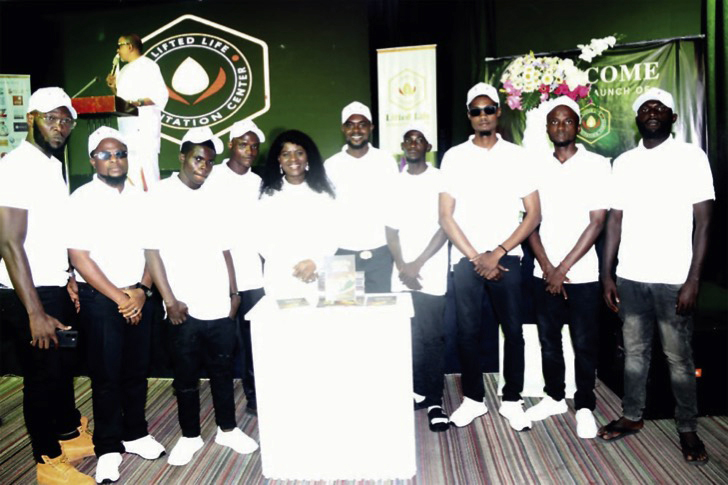
With Nigeria’s drug addiction crisis spiralling out of control and rehabilitation facilities dangerously overstretched, the National Drug Law Enforcement Agency (NDLEA) has issued a stark warning and called for urgent private sector intervention. The agency’s concerns took centre stage at a recent fundraising event where Rev. (Mrs.) Helen Nkwo, a retiring oil and gas industry veteran, launched a bold N1.2 billion project to build Lagos State’s first dedicated female rehabilitation centre and a comprehensive recovery hub for youths.
The event, which coincided with preparations for Nkwo’s statutory retirement on after 35 years of distinguished service, marked a significant milestone for the Lifted Life Rehabilitation Centre. Founded in 2024 as a faith-based initiative, the centre has already transformed hundreds of young lives. But as demand surges, its current capacity of about 50 persons per session is proving woefully inadequate.
Speaking at the event, the Lagos State Strategic Assistant Commander General of Narcotics, Commander Abubakar Liman Wali (ACGN), represented by Deputy Commander of Administration, Mr. Akogun James, painted a grim picture of the national emergency.
James said: “Drug abuse and addiction have become major public health and social stability challenges. Arresting drug dealers and users is not enough. There must be sustained enlightenment campaigns, rehabilitation and reintegration programmes to help affected individuals return to productive lives.”
He revealed that the NDLEA’s rehabilitation facility in Lagos has only 18 bed spaces for a megacity of over 20 million people. Many addicts end up on waiting lists as their conditions deteriorate. “The gap is enormous,” James stressed. “Rehabilitation is capital-intensive and requires qualified personnel, counselling services, medical treatment, accommodation and long-term support systems.”
The NDLEA representative commended Nkwo for turning her retirement into a “national assignment” through advocacy, public enlightenment, and hands-on rehabilitation.
“Her patriotic and humanitarian deeds in curbing drug abuse and addiction deserve commendation. This is a collective responsibility,” he said. He described rehabilitation centres as “transformation hubs” that offer hope, treatment, and opportunities for recovery while reducing stigma.
Official statistics underscore the urgency. Data from the NDLEA showed that 13.6% of secondary school students have experimented with drugs, while 6.9% are active users. Nationally, an estimated 14.3 million Nigerians are involved in drug use. Lagos State currently lacks a dedicated female rehabilitation centre, and existing male facilities cannot meet demand.
Hon. MobolajiOgunlende, the Commissioner for Youths and Social Development in Lagos State, represented by TitilayoYinusa, described youths as “the greatest asset of any nation.” He warned that easy access to hard drugs has exposed many young people to addiction, crime, and other social vices, threatening the country’s future.
“Parents, government agencies, schools, religious institutions, and community leaders must work together to prevent drug abuse, raise awareness, and provide rehabilitation and support services,” Yinusa said.
Nkwo’s journey into humanitarian work is as remarkable as it is timely. After decades of impactful service in the oil and gas industry, she is channelling her passion, experience, and resources into fighting substance abuse among Nigerian youths. What began as a simple act of compassion has grown into a movement that has supported 400 to 500 young people across six seasons of rehabilitation programmes. Over 70 individuals have been fully rehabilitated and reintegrated into society, many now gainfully employed.
At the event, Nkwo appealed for collective action. “Access to hard drugs and other harmful substances has contributed immensely to the devastating effects we are witnessing among our youths,” she said. “The number of young people we are losing to substance abuse is alarming. In many cases, parents are unaware when their children begin this destructive journey.”
The proposed Lifted Life permanent rehabilitation and restoration facility will serve as a holistic recovery hub offering comprehensive rehabilitation programmes, mental health and psychosocial support, skills acquisition and vocational training, and clear reintegration pathways. The ₦1.2 billion project aims to create a dignified environment where more youths can receive the support they desperately need.
Other News
“We believe every life deserves a second chance,” Nkwo declared. “We are calling on individuals, organisations, government agencies, faith communities and well-meaning Nigerians to support this rescue mission.”
The event featured powerful testimonies from beneficiaries who shared raw accounts of their struggles and remarkable turnarounds.
Raphael, a young man from Lagos, described growing up surrounded by substance abuse and scamming culture. “The streets taught me fast. Every corner had a twist of bottle, joint and other destructive substances. Dreams became debts. Substance abuse was the only story our generation was telling,” he recounted. His encounter with Lifted Life broke his pride and sparked a willingness to change. “I joined Lifted Life Rehabilitation Centre and my story changed.”
OluwatobiOjeniyi, a music producer and songwriter, said he started his journey in the church but became addicted to marijuana for 15 years after mingling with fellow creatives. “Today my story is different because I have been transformed,” he testified.
Larry Mamilor was exposed to marijuana while studying Theatre Arts. “I was exposed to a lot and each step felt like evolution,” he said.
Ofem Iron began smoking on November 19, 2016, after losing his father. While learning fashion design, a senior apprentice introduced him to tramadol. “It gives me numbness and peace but once it wore off, I become aggressive and restless.” His addiction escalated in Port Harcourt where he was introduced to ice, weed, and harder substances. “It became a routine before my encounter with the Lifted Life Rehabilitation Centre.”
These stories illustrated the centre’s holistic approach — combining prayers, counselling, mentorship, spiritual guidance, feeding, skill acquisition, accommodation, personal care, and emotional support.
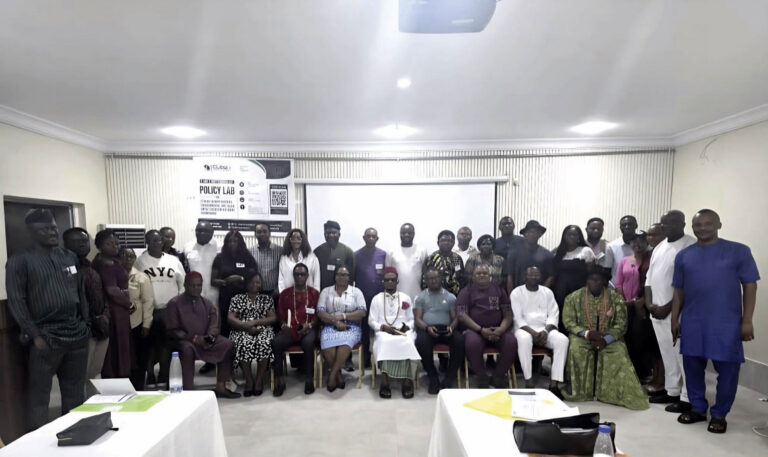
The gathering brought together corporate leaders, development partners, NGOs, schools, and community stakeholders. Lifted Life is seeking support in several key areas: financial sponsorship for construction, funding for mental health and recovery programmes, skills acquisition and youth empowerment initiatives, and in-kind or technical partnerships.
Partners stand to gain brand visibility, media recognition, staff engagement opportunities, and association with a legacy project focused on societal transformation.
Lifted Life Rehabilitation Centre is committed to “building heroes from the ruins” by preventing drug abuse, supporting recovery, and advocating for better policies. Through partnerships and community action, it aims to promote a substance-abuse-free society across Nigeria.
The NDLEA representative emphasised that prevention remains the most cost-effective strategy. “The evidence is clear that prevention is cheaper than cure. Government alone cannot shoulder this responsibility,” James said. He expressed optimism that the proposed centre would complement government efforts and expand treatment opportunities.
“Together, we can build a society where those battling addiction are given opportunities for recovery, rehabilitation and reintegration. Drug control is not the responsibility of government alone; it is a collective responsibility,” he added.
As Nigeria continues to grapple with this silent epidemic, Lifted Life’s initiative represents a beacon of hope. With over 14 million people affected nationally and facilities critically short, private sector involvement is no longer optional — it is essential.
Nkwo and her team have thrown down the gauntlet. The question now is whether corporate Nigeria, faith communities, government agencies, and well-meaning individuals will rise to the challenge before more young dreams are lost to addiction and life on the streets.