Follow Us on Google
By Chinenye Anuforo
The Nigerian Communications Commission (NCC) has unveiled a roadmap aimed at closing the widening skills gap in the nation’s telecom sector, with a focus on empowering indigenous talent to drive industry growth.
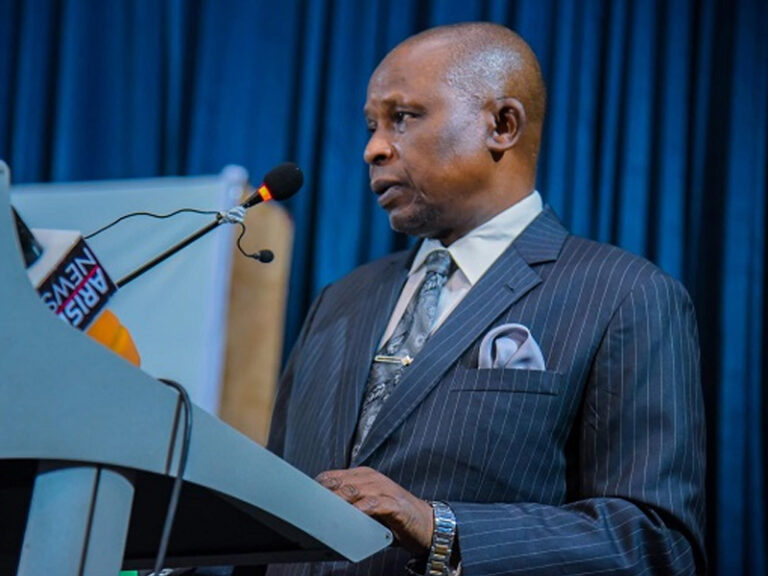
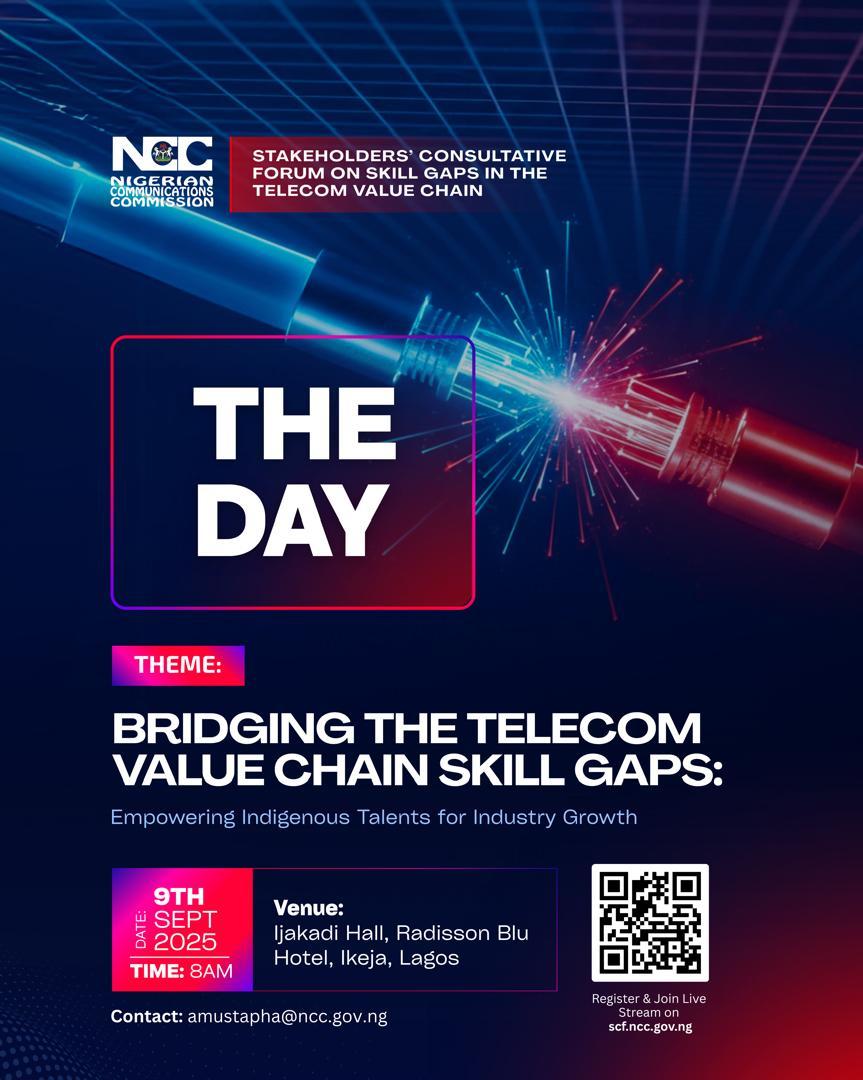
At the Stakeholders Consultative Forum on Skill Gaps in the Telecom Value Chain held in Lagos, Engineer Edoyemi Ogoh, Director of Technical Standards and Network Integrity at the NCC, who represented the Executive Vice Chairman, Dr Aminu Maida, said the shortage of skilled workers poses a major risk to the sustainability of the industry.
“While the sector has created more than half a million jobs since liberalisation in 2001, studies revealed that only 11 per cent of the workforce currently possesses advanced digital skills, even though industry demand is closer to 30 per cent,” Ogoh said.
He explained that the missing competencies cut across four areas: core technical skills, software and data, business and strategic skills, and soft skills. Challenges such as reliance on expatriates, brain drain, poor remuneration, and limited industry-aligned curricula, he noted, continue to deepen the deficit.
Ogoh listed ongoing interventions including the Federal Government’s 3 Million Technical Talent (3MTT) initiative, the National Digital Literacy Framework, NCC’s Digital Learning Initiative and Campus Innovation Entrepreneurship Programme, and private sector contributions from Airtel, MTN, ATCON, and IHS. He urged participants to generate actionable recommendations from the forum’s breakout sessions to help bridge these gaps.
Other News
In his remarks, Chairman of the Association of Licensed Telecommunications Operators of Nigeria (ALTON), Gbenga Adebayo, stressed the urgent need to build mid-level technical manpower to sustain infrastructure.
“We are producing high-end experts, but we lack the technicians, riggers, and engineers who keep the industry running. These are the ‘foot soldiers’ we cannot do without,” Adebayo said. He called for the creation of a Nigerian Telecom Academy to provide structured certifications and practical training, similar to the Petroleum Training Institute in Warri.
According to him, the inability to retain skilled workers remains a major challenge, with many leaving for countries offering stronger social guarantees. “Countries with strong industries not only train their workforce but also support them. Nigeria must do the same,” he added.
The forum brought together government officials, operators, and industry stakeholders to deliberate on strategies to ensure Nigeria’s telecom sector remains globally competitive and inclusive.